
Why Businesses That Prioritise Forklift Servicing Outperform The Competition
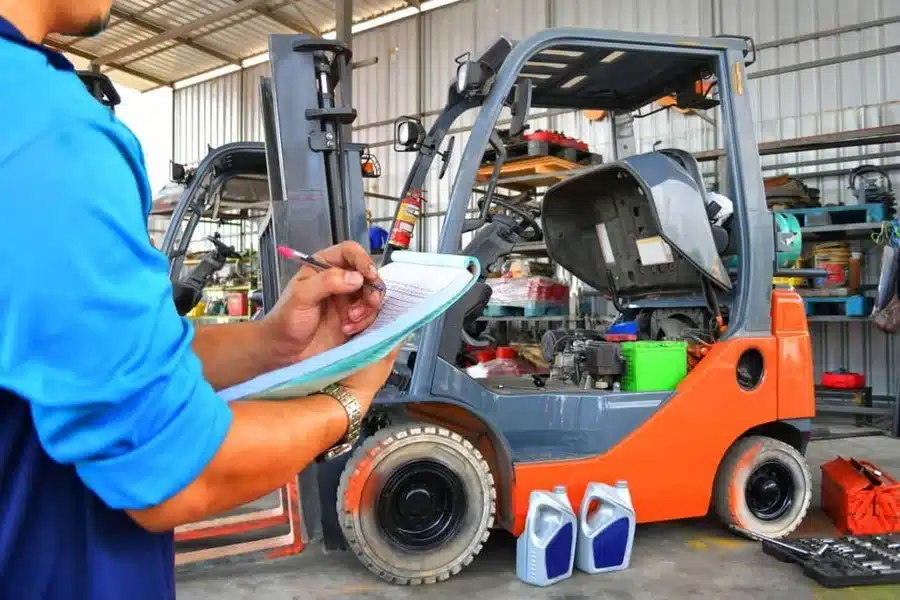
In the ever-evolving landscape of logistics and manufacturing, the tools a business employs are paramount to its efficiency and success. Forklifts, as pivotal components of material handling, require regular maintenance to ensure optimal performance. Companies that prioritise forklift servicing not only enhance their operational efficiency but also gain a significant competitive edge.
The Importance of Regular Servicing
Forklifts are intricate machines that endure heavy usage in tough environments. While it’s easy to take their functionality for granted, neglecting regular servicing can lead to unexpected downtime and costly repairs. Regular maintenance ensures that forklifts operate safely and efficiently, significantly reducing the risk of accidents and breakdowns.
A well-maintained forklift can lead to increases in productivity. Forklifts that are regularly serviced can operate at peak performance, allowing for seamless movement of goods. For businesses looking to optimise their supply chains, ensuring that forklifts are in top condition is non-negotiable.
Additionally, routine servicing can extend the lifespan of forklifts. By addressing minor issues before they escalate into major problems, businesses can make significant cost savings over time. Investing in expert servicing for material handling tools ensures that forklifts remain reliable and effective, further safeguarding the operational capacity of a business.
Understanding the Cost-Benefit Equation
Many business owners view servicing as an expense rather than an investment. However, the long-term benefits far outweigh the initial costs. Here are some key points that illustrate the cost-benefit equation:
- Reduced Downtime: Unplanned repairs can halt operations. A single day of downtime can lead to significant financial losses. Regular servicing helps identify and mitigate potential issues before they disrupt the workflow.
- Increased Productivity: Functional forklifts enable quicker loading and unloading of goods. An efficiently operating forklift contributes to faster turnaround times in warehouses and distribution centres.
- Safety Compliance: Forklifts subject to regular servicing are less likely to encounter safety issues. A safe work environment not only protects employees but also minimises liability and insurance costs.
- Vehicle Longevity: Regular maintenance extends the life of forklifts. By investing in servicing, businesses can defer the cost of new equipment.
The financial rationale behind regular servicing is clear. Companies can protect their bottom line while ensuring their operational processes remain smooth.
Building a Culture of Safety and Maintenance
Prioritising forklift servicing is not just a logistical consideration; it’s an investment in company culture. Establishing a culture that values safety and maintenance can lead to a more engaged workforce. Employees working in safe environments feel valued, leading to increased job satisfaction and retention.
Training staff on equipment usage and the importance of maintenance can foster accountability. An informed workforce understands how routine checks contribute to overall productivity and safety. Moreover, employees are likely to take better care of equipment when they recognise its importance.
This culture should encompass communication and documentation. Keeping precise records of servicing schedules, maintenance checks, and repairs can enhance the management of forklift fleets. Technology solutions for tracking maintenance schedules also provide visibility, allowing for a data-driven approach to equipment management.
Choosing the Right Servicing Provider
Not all servicing providers offer the same level of expertise. When selecting a provider for forklift servicing, consider their reputation, experience, and range of services. A trustworthy partner will not only carry out the necessary checks but will also provide insights on enhancing your fleet’s performance.
Engage with providers that offer comprehensive services, including emergency repairs and real-time diagnostics. This ensures businesses can rely on their servicing partner for expert advice and swift action.
The right provider can also support preventive maintenance strategies, which further improves the reliability and performance of forklifts. When selecting a provider, don’t hesitate to ask about their tailor-made servicing plans. Customised plans can cater to specific operational needs while still providing transparency in costs.
Case Studies: Success Stories
Several businesses have thrived by prioritising forklift servicing. For instance, a well-known UK-based supermarket chain implemented a rigorous servicing schedule for their fleet of forklifts. This proactivity drastically reduced operational delays due to breakdowns, allowing them to optimise inventory management. As a result, their customer satisfaction ratings soared.
Similarly, a logistics company operating in a competitive market saw a reduction in overall maintenance costs after adopting a structured servicing approach. Their increased efficiency translated into improved order fulfilment times, further solidifying their market position.
These case studies highlight that prioritising forklift servicing is not just about maintaining equipment; it’s about ensuring operational excellence and driving business growth.
Conclusion
In conclusion, businesses that invest in regular forklift servicing position themselves for long-term success. Through reduced downtime, enhanced productivity, and a commitment to safety, such companies can see tangible benefits. Creating a culture that prioritises maintenance, choosing the right servicing provider, and learning from industry success stories can create a pathway for firms to excel in an ever-competitive environment.
By ensuring their material handling tools are not only operational but also optimally maintained, businesses will be better prepared for the challenges of their industry. The impact of expert servicing is profound; it can be the difference between merely surviving and truly thriving in today’s dynamic marketplace.