
Exploring the Latest Innovations in Skin Rejuvenation
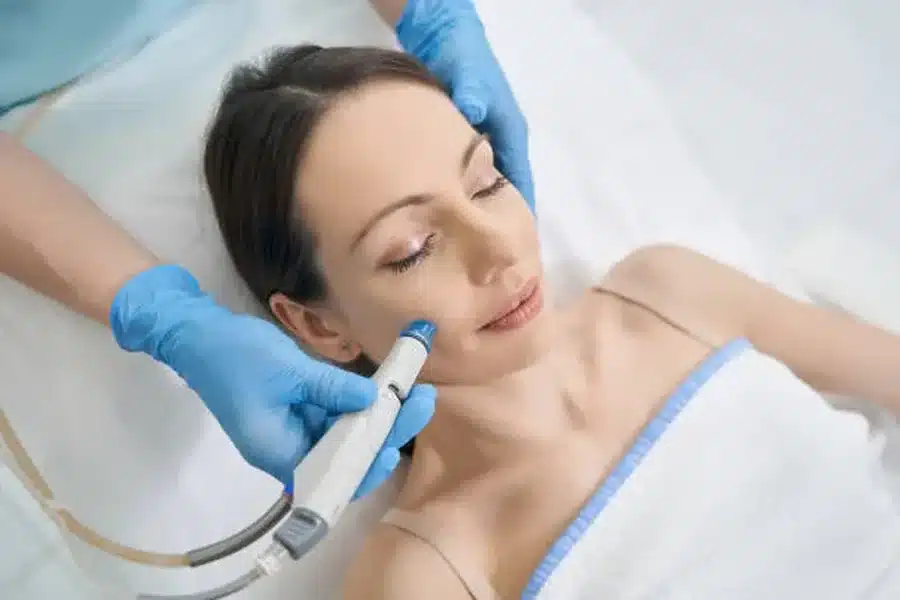
Many people want smoother, younger-looking skin but are unsure what works best. New advances in skin rejuvenation can help reduce wrinkles and sun damage more safely than before. This post explains the latest treatments, from lasers to microneedling and regenerative therapies, so you can see what might work for you.
Find out which new options could give your skin a fresh start.
Advancements in Laser and Light-Based Therapies
New laser treatments make skin smoother and brighter with less downtime. Better safety features now help protect all skin types during these cosmetic procedures.
Latest laser technologies for skin rejuvenation
Fractional lasers give great results in skin rejuvenation. Devices like Fraxel and Clear + Brilliant use tiny beams of light to treat or “resurface” the skin. These lasers help fade dark spots, acne scars, and fine lines without much downtime.
PicoSure uses ultra-short pulses that target pigment and boost collagen with less risk of burns or redness. LaseMD Ultra is another new option; it treats sun damage while leaving most of the skin untouched for quick healing.
CO2 lasers have improved in recent years to deliver safer treatments. SmartXide Touch combines carbon dioxide laser power with gentle pulses for wrinkles and deep acne scars. Erbium lasers such as Sciton HALO mix two wavelengths so doctors can adjust depth for each person’s needs.
Most laser technologies now include cooling systems which reduce pain and protect healthy skin during sessions. These advances make cosmetic dermatology safer for many people, including those with darker skin tones who once had higher risks from older devices.
Safety improvements for diverse skin types
New laser technologies focus on safety for all skin types. Developers have worked hard to create systems that reduce risks. Now, more patients can enjoy laser treatments without fear of side effects. These innovations include special settings and cooling features. They help protect skin while still providing excellent rejuvenation.
Microneedling also benefits from these advancements. By combining microneedling with radiofrequency, treatments become safer and more effective for different complexions. This means people with darker skin can now safely try these popular methods like Morpheus8 or EXION without worry.
Safety is becoming a top priority in cosmetic dermatology, making it easier for everyone to achieve healthy-looking skin.
Microneedling and Radiofrequency Innovations
Microneedling and radiofrequency treatments work well together to boost skin health. Popular options like Morpheus8 and EXION offer great results for many people.
Synergistic benefits of microneedling and RF
Microneedling and radiofrequency (RF) work well together for skin rejuvenation. This combo boosts collagen production and tightens the skin. Microneedling creates tiny holes in the skin, which helps it absorb treatments better.
RF energy heats up deeper layers of skin to improve texture and firmness.
Many patients report quicker recovery times with this method. Treatments like Morpheus8 combine these techniques for better results. Skin looks smoother and younger after just a few sessions.
Using both microneedling and RF makes for an effective anti-aging solution that many enjoy in cosmetic dermatology today.
Popular treatments like Morpheus8 and EXION
Morpheus8 and EXION are popular skin treatments that use advanced technology for rejuvenation. Morpheus8 combines microneedling with radiofrequency energy. This treatment helps tighten the skin and improve texture by stimulating collagen production.
Patients often report a smoother appearance after just a few sessions.
EXION is another innovative option. It focuses on deep tissue remodeling to enhance facial contours and reduce aging signs. Both treatments provide non-invasive solutions, making them appealing choices in cosmetic dermatology.
Many people choose these options for their ability to deliver fresh, youthful skin without major surgery or downtime.
Emerging Regenerative Therapies
Emerging regenerative therapies are changing how we treat skin. Treatments like Platelet-Rich Plasma (PRP) use your own cells to help heal and rejuvenate skin.
Platelet-Rich Plasma (PRP) and stem cell advancements
Platelet-Rich Plasma (PRP) uses a small amount of your blood. It is processed to enrich it with platelets, which help with healing. Doctors apply PRP to the skin during treatment. It can boost collagen and improve skin texture, making you look younger.
Stem cell techniques are also making waves in skincare. These cells have the power to regenerate damaged skin. Treatments using stem cells can reduce wrinkles and promote a youthful glow.
Many people enjoy both PRP and stem cell treatments as part of their skin rejuvenation plans for better results.
Enhanced Delivery Systems
New methods like ultrasound and nanotechnology help deliver treatment deeper into the skin. These systems make procedures more effective and safer for everyone.
Want to learn how they work? Keep reading!
Role of ultrasound and nanotechnology in skin treatments
Ultrasound and nanotechnology play key roles in skin treatments. Ultrasound uses sound waves to stimulate the skin. This technology helps deliver active ingredients deep into the skin layers.
It can improve results for rejuvenation procedures. Nanotechnology makes tiny particles that carry these ingredients more effectively.
These innovations boost the power of treatments like microneedling and PRP Platelet-Rich Plasma therapy. The small particles penetrate deeper, enhancing absorption and effectiveness.
Patients see greater improvements in skin tone, texture, and firmness with less discomfort. These methods show promise for advanced skincare solutions in cosmetic dermatology.
Non-Invasive and Minimally Invasive Techniques
Non-invasive and minimally invasive techniques are gaining popularity in skin care. EMface offers a fresh take on facial rejuvenation, while PDO thread lifts provide quick tightening effects with minimal downtime.
EMface vs. PDO thread lifts comparison
EMface and PDO thread lifts target skin tightening and facial rejuvenation with different approaches. The table below breaks down key differences and benefits of each treatment.
| Feature | EMface | PDO Thread Lifts |
|---|---|---|
| Technology | Uses electromagnetic stimulation and radiofrequency energy | Uses dissolvable polydioxanone threads placed under the skin |
| Treatment Purpose | Lifts, tones, and firms facial muscles; boosts collagen | Lifts sagging skin; stimulates collagen through thread insertion |
| Invasiveness | Non-surgical, no needles | Minimally invasive, uses threads and small needles |
| Downtime | No downtime; resume daily activities right after | Mild swelling, bruising may occur; downtime is usually 1 to 3 days |
| Results Timeline | Results appear within one to two weeks | Immediate lift; collagen increases over 2 to 6 months |
| Best For | Slight laxity, wanting muscle toning and skin tightening | Noticeable sagging, moderate lift, jawline definition |
| Sessions Needed | Usually 4 sessions spaced one week apart | One session, sometimes a touch-up after 6 to 9 months |
| Comfort | Painless; feels like facial muscle contractions | Local anesthetic used; mild discomfort during insertion |
| FDA Clearance | Received FDA clearance in 2022 for facial toning | Threads are FDA-cleared for soft tissue approximation |
| Who Performs It | Licensed provider or trained aesthetician | Medical professional; usually a doctor or PA |
Ultherapy and RF skin tightening options
This section highlights two popular methods for skin tightening. Ultherapy and radiofrequency (RF) treatments offer effective results without surgery.
- Ultherapy uses ultrasound technology to lift and tighten the skin. It targets deep layers without harming the surface.
- RF skin tightening uses heat to stimulate collagen production. This improves elasticity and reduces sagging.
- Both treatments can be done in a clinic with minimal downtime. Patients often return to daily activities right after.
- Ultherapy is FDA-approved for lifting the brow, neck, and under the chin. Many people see improvements within a few months.
- RF treatments are versatile and can treat various body areas. Common spots include the face, abdomen, and thighs.
- Results from both options can last for months or even years with proper care. Regular skincare helps maintain the effects.
- Both treatments are considered non-invasive procedures, making them safer choices for patients seeking rejuvenation without surgery.
- Combining these methods enhances outcomes for tighter skin, creating a more youthful appearance.
- Consult with a qualified dermatologist to find out which option best suits your needs and goals in skin rejuvenation.
Customizable Combination Therapies
Customizable combination therapies offer great benefits for skin rejuvenation. Patients can mix and match treatments to meet their specific needs for the best results.
Multi-modality approaches for optimal outcomes
Skin rejuvenation innovations have significantly improved the effectiveness and safety of cosmetic procedures, offering patients a variety of options to enhance their appearance.
Combining different treatment methods can lead to better results in skin rejuvenation. Many dermatologists now use multi-modality approaches for optimal outcomes. These methods mix techniques like laser treatments with microneedling and dermal fillers.
Each method works well on its own, but together, they offer more benefits.
For example, combining laser therapy with PRP Platelet-Rich Plasma can enhance skin texture and reduce wrinkles effectively. This combination allows for deeper healing and regeneration of the skin layers.
People often see faster results and longer-lasting effects with these combined treatments. They are a great way to achieve youthful looking skin without invasive surgery or long recovery times.
Conclusion
Skin rejuvenation keeps getting better. New laser treatments offer safer options for all skin types. Microneedling and radiofrequency work well together to enhance results. Techniques like PRP show promise in regenerating skin.
These advances allow for more choices and better outcomes in skincare.