
Mailbox Decals, House Numbers, and Home Identity: A Complete Property Marking Guide
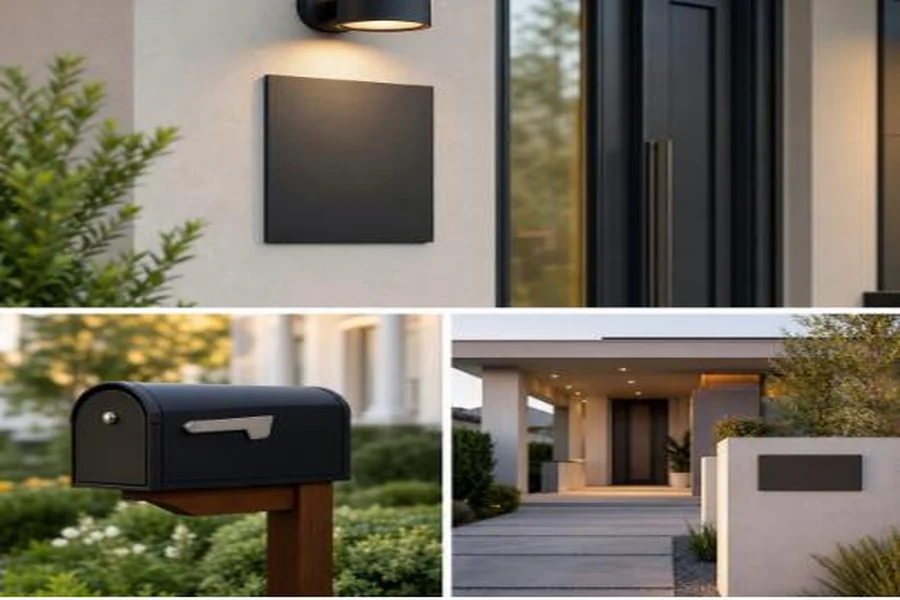
Your home’s exterior communicates more than you might realize. From the moment a visitor, delivery driver, or emergency responder approaches your property, the visible markers on your mailbox and entryway set the tone for how easily and accurately your address can be identified. Mailbox decals and house numbers are not merely decorative afterthoughts — they are functional tools that directly affect safety, curb appeal, and even the perceived value of your home. Understanding how to choose, apply, and maintain these markers is a skill every homeowner should develop.
Why Visible Address Marking Matters More Than You Think
Most homeowners underestimate the practical importance of clearly marked addresses. In emergency situations, every second counts. When a paramedic, firefighter, or police officer is navigating an unfamiliar neighborhood at night or in poor weather conditions, a clearly visible mailbox number or house decal can be the difference between a timely response and a dangerous delay. Studies from emergency services organizations consistently highlight that address visibility is one of the most overlooked aspects of home safety preparedness.
Beyond emergencies, think about the everyday frustrations caused by unclear address markings. Delivery packages left at the wrong door, guests circling the block, and mail misrouted to neighbors are all common consequences of faded, damaged, or improperly placed address markers. Investing a small amount of time and money into quality mailbox decals and house numbers pays dividends in convenience and peace of mind.
The Art and Science of Choosing the Right Mailbox Decal
Not all mailbox decals are created equal. The material, font size, color contrast, and adhesive quality all play significant roles in how long a decal will last and how legible it will remain over time. Vinyl decals are widely regarded as the most durable option for outdoor use, as they resist UV fading, moisture, and temperature fluctuations that would cause lesser materials to peel or crack within a single season.
Color contrast is perhaps the most critical design consideration. A dark-colored decal on a light mailbox — or vice versa — ensures maximum readability from a distance and in varying light conditions. Avoid trendy color combinations that may look attractive up close but fail to provide adequate contrast when viewed from a moving vehicle or at night. Reflective decals are an excellent upgrade for properties on busy roads or in areas with limited street lighting.
Font Selection and Number Sizing
The font you choose for your mailbox numbers should prioritize legibility over style. Clean, sans-serif fonts with clear spacing between digits are the gold standard for address visibility. Numbers that are too ornate or stylized may look elegant in a catalog but become difficult to read quickly in real-world conditions. As a general rule, mailbox numbers should be at least three inches tall, though four to six inches is preferable for properties set back from the road or on high-traffic streets.
Proper Application Techniques for Long-Lasting Results
Even the highest-quality decal will fail prematurely if it is not applied correctly. Surface preparation is the most commonly skipped step, yet it is arguably the most important. The mailbox surface must be clean, dry, and free of any oils, dust, or old adhesive residue before a new decal is applied. A quick wipe with isopropyl alcohol is usually sufficient for most surfaces. Applying a decal in cold temperatures can also compromise adhesion, so aim to work in conditions above 50 degrees Fahrenheit when possible.
For homeowners looking to get the most out of their address marking investment, following a detailed mailbox decal guide can make a significant difference in both the quality of the application and the longevity of the finished result. Proper technique — including using a squeegee to eliminate air bubbles and peeling the backing at the correct angle — ensures a professional-looking finish that holds up through seasons of weather exposure.
Placement Positioning on the Mailbox
Where you place your decal on the mailbox matters as much as how you apply it. Numbers should be centered horizontally and positioned in the upper half of the mailbox door or side panel for maximum visibility. Avoid placing decals near the bottom edge where road splash and debris are most likely to cause premature wear. If your mailbox has a curved surface, take extra care to smooth the decal from the center outward to prevent creasing.
House Numbers and Home Security: A Connection Worth Understanding
The relationship between clearly marked addresses and home security is more direct than most people appreciate. When emergency responders can locate your home without hesitation, the outcomes of urgent situations improve dramatically. This is equally true for locksmiths and other service professionals who are called to properties in distress. Understanding how locksmiths handle emergencies in houses and workplaces reveals just how much time-sensitive their work is — and how a clearly visible address can shave critical minutes off their response time when you are locked out or dealing with a security breach.
Beyond emergency response, visible house numbers also serve as a subtle deterrent to opportunistic crime. Properties that appear well-maintained and clearly identified signal to potential intruders that the homeowner is attentive and organized — qualities that make a property a less attractive target.
The Numerological Dimension of House Numbers
While the practical aspects of address marking are paramount, some homeowners also take an interest in the symbolic meaning of their house numbers. Numerology, the study of numbers and their perceived influence on life and personality, has been applied to home addresses for centuries across various cultures. If you are curious about what your house number might signify beyond its postal function, there are thoughtful resources available that explore house numerology and its interpretations in an accessible and informative way. Whether you subscribe to these ideas or simply find them interesting, they add a layer of personal meaning to the numbers displayed on your home.
Modern House Numbers: Elevating the Standard
Modern House Numbers has built a reputation for offering premium address marking solutions that combine durability, design quality, and ease of application. Their product range is designed with the homeowner in mind — balancing aesthetic appeal with the practical demands of outdoor use. From high-contrast vinyl decals engineered for long-term adhesion to elegantly styled house number plaques, the brand approaches address marking as both a functional necessity and an opportunity to enhance your home’s exterior presentation. Their educational resources further empower homeowners to achieve professional results without professional assistance.
Maintaining Your Address Markers Over Time
Even the best decals and house numbers require periodic maintenance to remain effective. Inspect your address markers at least twice a year — ideally at the start of spring and fall — to check for fading, peeling edges, or physical damage. Clean them gently with a soft cloth and mild soap, avoiding abrasive scrubbers that can scratch the surface or lift edges. If a decal shows signs of significant wear, replacing it promptly is far less costly than the inconvenience of an unidentifiable address.
Conclusion: Small Details, Significant Impact
Mailbox decals and house numbers occupy a small corner of home maintenance, but their impact on safety, convenience, and curb appeal is disproportionately large. By choosing quality materials, applying them correctly, and maintaining them over time, you ensure that your home is always easy to find — whether by a welcome guest, a timely delivery, or an emergency responder who needs to reach you without delay. Take the time to get this detail right, and your home will communicate exactly what it should: that it is a well-cared-for, clearly identified place that its owner takes seriously.