
America’s 250th Birthday Could Bring One of the Most Dangerous July 4 Travel Periods on Record
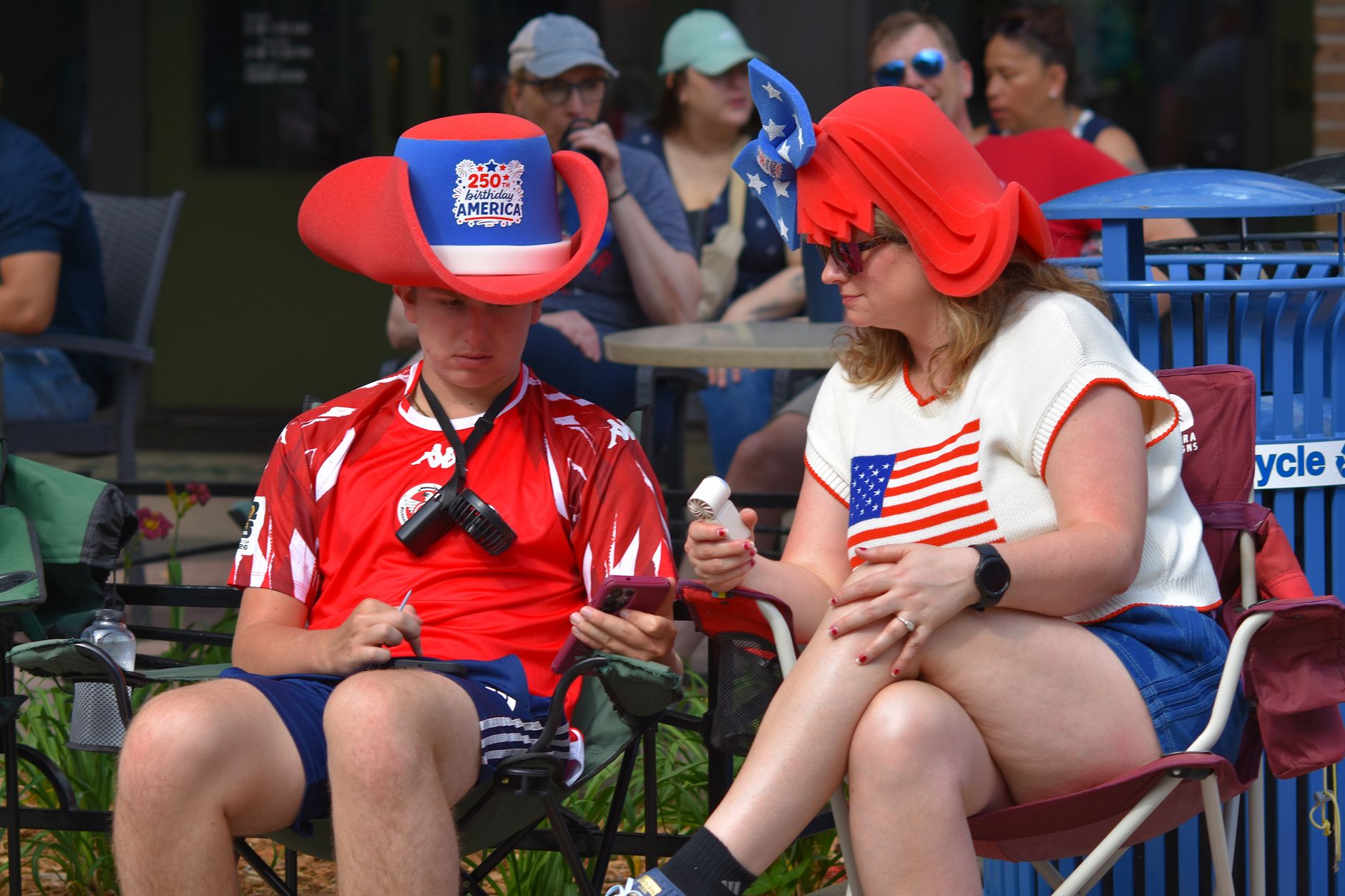
The United States will mark its 250th anniversary on July 4, 2026, with nationwide ceremonies, concerts, fireworks displays and community events. The scale of the milestone is expected to draw millions of travelers onto roads already associated with one of the most dangerous holiday periods of the year.
A study by The Millar Law Firm found that Independence Day traffic risks have increased over the past decade, with fatal DUI crashes rising at a faster annual rate than during Memorial Day or Labor Day. The findings also point to record travel demand, elevated alcohol consumption, higher speeding and distraction levels, and increased risks for pedestrians, boaters and people attending outdoor celebrations.
Between 2020 and 2024, 2,719 people were killed in motor vehicle crashes during the Fourth of July holiday period. Alcohol-impaired drivers were involved in 38% of those deaths.
Key Findings
- Fatal DUI crashes on Independence Day increased at an average annual rate of 6.3% from 2014 to 2023.
- Memorial Day DUI crashes rose 1.6% annually during the same period.
- Labor Day DUI crashes rose 1%.
- July 4 DUI fatality rates were 46% above average.
- Between 2015 and 2024, July 4 produced 1,279 fatal crashes and 1,407 deaths.
- The 2024 holiday period resulted in 579 traffic deaths.
- More than 72.2 million Americans were projected to travel during the 2025 holiday period.
- Approximately 61.6 million of those travelers were expected to drive.
- Drivers speed 46% more on July 4 than on comparable days.
- Distracted driving rises 11.9% on Independence Day.
- More than 45,000 people visit emergency departments every July 4 and July 5.
- Georgia recorded 62 July 4 traffic deaths from 2015 through 2024.
Fatal DUI Crash Growth Outpaced Other Summer Holidays
The Fourth of July is the nation’s third-deadliest holiday for DUI-related fatalities.
| Holiday | DUI Fatality Rate Above Average |
| New Year’s Day | 89% |
| Labor Day | 53% |
| Independence Day | 46% |
The annual growth rate in fatal DUI crashes also separated July 4 from other major summer holidays.
| Holiday | Average Annual Increase in Fatal DUI Crashes, 2014 to 2023 |
| Independence Day | 6.3% |
| Memorial Day | 1.6% |
| Labor Day | 1.0% |
The Independence Day growth rate was nearly four times Memorial Day’s and more than six times Labor Day’s.
The holiday also produced 1,229 DUI-related fatalities from 2018 through 2022, making Independence Day week the second-deadliest week of the year for DUI deaths. Labor Day week ranked first with 1,278.
July 4 Produced More Than 1,400 Deaths in a Decade
Between 2015 and 2024, July 4 alone recorded:
- 1,279 fatal crashes
- 1,407 traffic deaths
- An average of approximately 141 deaths per year
- An average of approximately 128 fatal crashes per year
The highest fatality count occurred in 2021, when July 4 fell on a Sunday.
| Year | July 4 Traffic Deaths |
| 2015 | 145 |
| 2016 | 116 |
| 2017 | 137 |
| 2018 | 140 |
| 2019 | 108 |
| 2020 | 167 |
| 2021 | 173 |
| 2022 | 129 |
| 2023 | 148 |
| 2024 | 144 |
The holiday fell on a Saturday in both 2015 and 2020. The death toll rose from 145 in 2015 to 167 in 2020.
Weekend timing can extend celebrations into multiple days and increase vehicle miles traveled. Alcohol-related fatalities are already heavily concentrated on weekends, with 57% occurring on Saturdays and Sundays.
Saturday accounted for more than 22% of DUI-related crashes from 2018 through 2022. Sunday ranked second at 20%, partly because crashes after midnight are counted as Sunday incidents even when drinking began on Saturday night.
Record Travel Is Adding More Vehicles to High-Risk Roads
The 2025 Independence Day period was projected to produce the highest July 4 travel volume on record.
| Travel Measure | 2025 Projection |
| Total travelers going at least 50 miles | 72.2 million |
| Travelers driving | 61.6 million |
| Increase from 2024 | 1.7 million |
| Increase from 2019 | Approximately 7 million |
Driving accounted for approximately 85% of projected holiday travel.
The National Safety Council projected 437 road deaths during the 2025 holiday period. The most recent comparable 3.25-day holiday window occurred in 2022 and resulted in 464 deaths.
The 2026 anniversary is expected to create another high-volume travel period. National commemorations are scheduled from July 1 through July 5, with events planned in all 50 states, U.S. territories and Washington, D.C.
Montana and South Dakota Had the Highest State Fatality Rates
The Millar Law Firm analysis ranked states using July 4 fatalities per 100,000 residents.
| Rank | State | Fatalities | Rate per 100,000 |
| 1 | Montana | 11 | 0.97 |
| 2 | South Dakota | 9 | 0.97 |
| 3 | New Mexico | 18 | 0.85 |
| 4 | South Carolina | 44 | 0.80 |
| 5 | Oklahoma | 29 | 0.71 |
| 6 | Idaho | 14 | 0.70 |
| 7 | Mississippi | 20 | 0.68 |
| 8 | Missouri | 42 | 0.67 |
| 9 | Louisiana | 29 | 0.63 |
| 10 | West Virginia | 11 | 0.62 |
Montana and South Dakota tied for the highest rate at 0.97 deaths per 100,000 residents.
The lowest rate was recorded in Wyoming at 0.17.
| Rank | State or District | Fatalities | Rate per 100,000 |
| 1 | Wyoming | 1 | 0.17 |
| 2 | New York | 36 | 0.18 |
| 3 | Massachusetts | 13 | 0.18 |
| 4 | Iowa | 6 | 0.19 |
| 5 | New Jersey | 21 | 0.22 |
| 6 | Maryland | 14 | 0.22 |
| 7 | Utah | 8 | 0.23 |
| 8 | Minnesota | 15 | 0.26 |
| 9 | Hawaii | 4 | 0.28 |
| 10 | District of Columbia | 2 | 0.29 |
The highest state rate was approximately 5.7 times the lowest.
Alcohol, Speeding and Distraction Converge on July 4
Alcohol remains one of the strongest predictors of holiday traffic deaths.
In 2024:
- 11,904 people died in alcohol-impaired crashes.
- One person was killed in a drunk-driving crash every 44 minutes.
- Another 2,028 people died in crashes involving drivers with BAC levels between 0.01% and 0.07%.
- Nearly 40% of holiday weekend traffic fatalities involved an impaired driver.
Summer drinking patterns add to the risk.
- People are 19% more likely to consume alcohol in July.
- Nearly 47% of summer days have an average BAC above 0.06%.
- Average BAC reaches 0.066% in June.
- Average BAC averages 0.063% in July and August.
- July 3 and July 4 are among five summer dates when average BAC exceeds 0.08%.
- Saturday BAC averages range from 0.075% to 0.082%.
Even a BAC of 0.02% can reduce multitasking ability and affect driving performance.
Speeding also rises sharply. Drivers speed 46% more on July 4 than on comparable days, with elevated speeds beginning as early as 7 a.m.
Distracted driving increases 11.9% on Independence Day. Drivers are distracted for an average of 2 minutes and 23 seconds per driving hour.
Emergency Departments See More Than 45,000 Holiday Visits
Traffic crashes are only one component of the July 4 injury burden.
More than 45,000 people visit emergency departments on July 4 and July 5 each year.
Common injury sources include:
- Motor vehicle crashes
- Pedestrian incidents
- Fireworks
- Falls
- Burns
- Broken bones
- Head injuries
- Pool and boating incidents
- Alcohol-related injuries
- Foodborne illness
Fireworks caused approximately 9,700 emergency department visits in 2023. About 6,400 occurred during the month surrounding Independence Day, representing roughly two-thirds of the year’s total fireworks injuries.
At least eight fireworks deaths were recorded. Adults ages 25 to 44 and children under 15 each accounted for approximately 31% of injuries.
Heat and Alcohol Increase Daytime Risk
July produced 478 heat-related deaths in 2024, the highest monthly total between May and September.
| Month | Heat-Related Deaths |
| May | 68 |
| June | 240 |
| July | 478 |
| August | 250 |
| September | 85 |
Alcohol increases fluid loss, impairs judgment and can make people less likely to recognize heat illness.
The combination affects more than driving. It can increase risks during swimming, boating, grilling, outdoor sports and all-day celebrations.
Alcohol is involved in 31% of drowning deaths and 18% of fatal boating accidents. A boat operator with a BAC of 0.08% is approximately 14 times more likely to die in a boating incident than a sober operator.
Georgia Ranked Fourth by Total July 4 Deaths
Georgia recorded 62 July 4 traffic fatalities between 2015 and 2024, placing fourth nationally behind Texas, California and Florida.
| Rank | State | July 4 Fatalities |
| 1 | Texas | 138 |
| 2 | California | 137 |
| 3 | Florida | 111 |
| 4 | Georgia | 62 |
When adjusted for population, Georgia ranked 15th at 0.55 deaths per 100,000 residents.
Georgia’s annual totals ranged from two deaths in 2017 to 11 in 2020.
| Year | Georgia July 4 Deaths |
| 2015 | 6 |
| 2016 | 4 |
| 2017 | 2 |
| 2018 | 3 |
| 2019 | 8 |
| 2020 | 11 |
| 2021 | 10 |
| 2022 | 9 |
| 2023 | 4 |
| 2024 | 5 |
During the 2025 holiday period, Georgia authorities reported:
- 20,970 traffic stops
- 12,000 citations
- 490 DUI arrests
- 135 injuries
- 13 traffic deaths
Georgia also recorded 18 boating injuries, 22 boating-under-the-influence citations, two boating incidents and two boating deaths on July 4, 2025.
The Millar Law Firm findings show that America’s 250th anniversary will occur during a holiday already associated with elevated travel, impairment, speeding, distraction and emergency medical demand. The anniversary may be historic, but the data suggests it could also become one of the most dangerous Independence Day periods in recent years.