
How Online Gaming Is Changing the Meaning of Player Progress
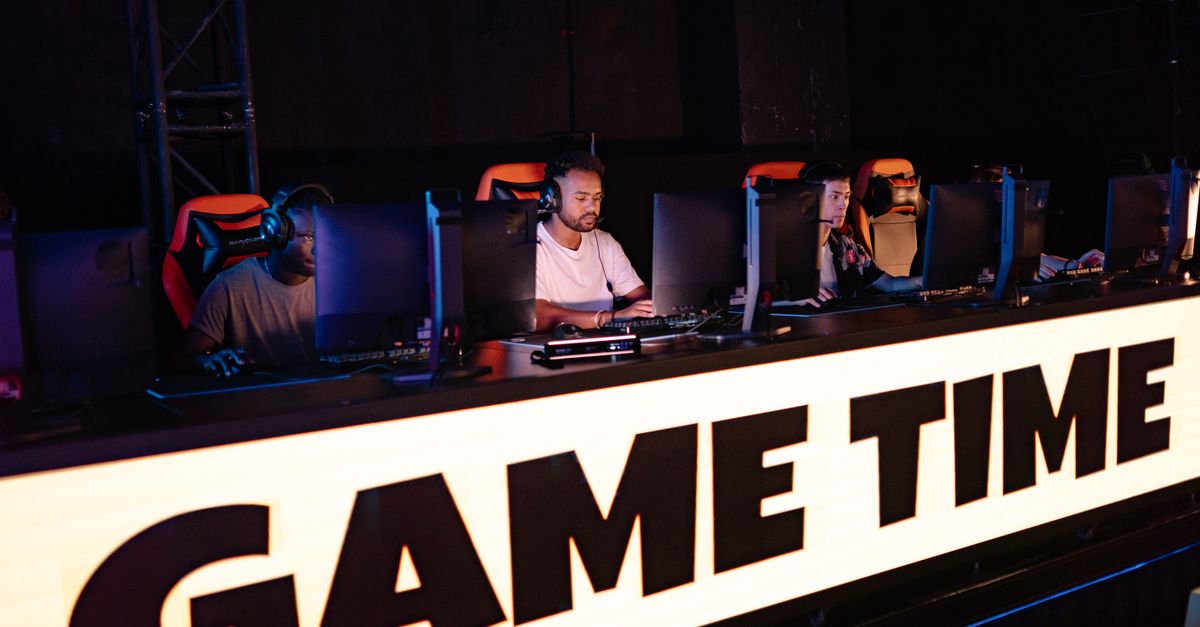
Have you noticed how finishing a level no longer feels like the only sign that you are getting better at online games?
Player progress used to be easy to define. You cleared stages, earned points, reached a higher rank, or saw a bigger number beside your name. Online gaming has stretched that idea by making progress feel ongoing, personal, social, and measurable in more ways than a single score can show.
The shift matters because players now spend time in connected spaces where updates, events, team play, and personal profiles keep changing what improvement looks like. Progress is no longer just about reaching an ending. It is about building skill, reputation, choices, habits, and identity over time.
Progress Is No Longer Just A Level Number
Modern online games treat progress as a living record of what a player does.
From Completion To Continuity
Older games often measured progress through a clear finish line. Online games can keep progress active through seasonal tasks, ranked matches, collection goals, personal stats, and account milestones. A player may not “finish” the game, but they can still see steady growth through better decisions, cleaner timing, and stronger results across repeated sessions.
Gaming portals such as JM8 reflect this wider view by showing how players often connect progress with account activity, access history, preferences, and repeated participation rather than a single completed campaign.
Skill Growth Has Become Easier To See
Online systems give players more feedback than a final score ever could.
Performance Data Makes Improvement Clearer
Players can now track accuracy, reaction time, win rate, role performance, objective control, and consistency across matches. These details help people understand exactly where they are improving. A player might stay at the same rank for a week but still make real gains by reducing mistakes, reacting faster, or making better choices under pressure.
This changes the emotional meaning of progress. Improvement feels less tied to luck or a single result because players can compare patterns across many sessions. Losing a match can still show growth if the player made smarter moves, supported teammates better, or handled a difficult situation with more control than before.
Social Progress Now Counts
Connected play has made reputation and teamwork part of advancement.
Players Build Value Through Other People
In online games, progress often includes becoming a better teammate, leader, rival, or community member. Players gain trust by communicating clearly, playing their role well, and staying reliable during tense moments. These qualities may not always appear in a level number, but they strongly affect how other players view someone’s growth.
Social progress also changes motivation. Some players keep playing because they enjoy improving with friends, helping newer players learn, or becoming known for a certain play style. This kind of progress is built through repeated interaction, not just through rewards handed out by the game.
Time Based Goals Shape Motivation
Online games often use limited periods to give progress a fresh rhythm.
Seasons Make Growth Feel More Manageable
Seasonal goals break long-term play into smaller chapters. Players can focus on a short set of tasks, try a new mode, improve a specific skill, or earn time-limited items. This structure makes progress feel active without requiring one permanent finish line.
A platform reference such as JM8 fits naturally into this pattern because many players now move between ongoing gaming spaces where account habits, recent activity, and changing goals help shape how progress is understood.
Time based progress also gives returning players a clear reason to come back. Instead of feeling behind forever, they can start with the current period and set realistic goals. That makes online gaming more flexible for people with different schedules, skill levels, and play styles.
Personal Identity Is Part Of Progress
Players now show growth through how they present themselves.
Customization Turns Progress Into Expression
Cosmetic items, profile badges, titles, avatars, and match history help players express what they have done. These markers can show dedication, event participation, mastery of a role, or a preferred style. Progress becomes something other players can see before a match even starts.
This does not mean appearance replaces skill. It adds another layer to how progress is read. A player’s profile can tell a story about time spent learning, modes played, goals completed, and choices made. That makes advancement feel more personal because players can display what matters to them.
Account Progress Creates A Longer View
Online gaming often connects progress across many sessions and updates.
Growth Can Continue Across Changes
Persistent accounts allow players to carry achievements, settings, histories, and unlocked features forward. Even when a game mode changes or a new season starts, the account can still hold proof of past effort. This gives progress a longer timeline than one match or one update cycle.
Account based progress also supports healthier goal setting. Players can aim for gradual improvement instead of chasing constant wins. They might focus on learning a new role, playing more consistently, or completing a set of weekly goals. These smaller targets make progress feel steady and less dependent on short-term results.
The Meaning Of Progress Is More Personal
Online gaming has widened progress without removing the value of skill.
For one player, progress may mean climbing into tougher matches. For another, it may mean understanding strategy, building a trusted group, completing seasonal goals, or creating a profile that reflects their play style. The shared idea is movement toward a clearer personal target.
This change is positive because it gives players more ways to recognize effort. A single number can still matter, but it no longer carries the whole story. Online gaming now treats progress as skill, consistency, expression, social trust, and long-term participation working together.