
What Separates a Truly Exceptional Modern Supercar From the Rest
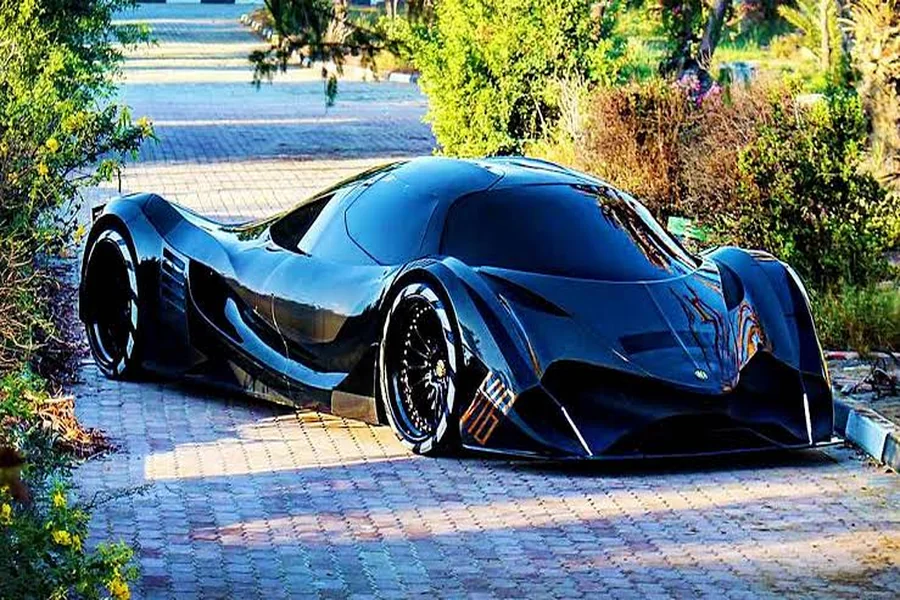
Modern supercars are judged by more than explosive speed. The finest machines combine acceleration, brake endurance, steering clarity, thermal control, body stiffness, and usable ergonomics into one coherent character. Power still matters, yet expert buyers look for feedback, consistency, and trust at the limit. A remarkable car should feel alert at city pace, settled under load, and vivid long after parking.
Measured Pace
Published data provides buyers with a useful baseline, especially as top-rated supercars are compared on acceleration, maximum speed, braking distance, lap time, and tire performance. Those numbers reflect cooling capacity, traction-control calibration, gearing, and aerodynamic stability. Still, figures cannot fully explain why one car feels communicative, while another feels distant.
Power Delivery
Output alone rarely tells the whole story. A great powertrain builds torque cleanly, responds without hesitation, and lets the driver place force precisely. Turbo systems need crisp boost control. Hybrid assistance should support the engine without masking its character. Gear changes must feel timed to load, speed, and intent, so confidence rises with each input.
Steering Feel
Steering is where many fast cars reveal their depth. The wheel should transmit surface texture, front-axle load, and grip changes without chatter. Quick response helps, but nervousness does not. A lighter setup can feel exact if calibration is honest. A heavier rack can still feel numb. The best systems speak clearly through small movements.
Chassis Balance
Balance determines how much trust a driver can build. A composed chassis resists pitch under braking, rotates predictably, and settles quickly after direction changes. Mid-engine cars often feel immediate, while rear-engine layouts reward careful hands. All-wheel drive adds traction, though poor tuning can flatten personality. A great setup gives security without filtering away sensation.
Braking Confidence
Serious brakes are measured by repeatability, not by a single heroic stop. Pedal travel, heat resistance, rotor size, cooling airflow, and pad compound all matter. Carbon-ceramic hardware can resist fade, yet modulation remains essential on public roads. The driver should sense pressure building in a clean, linear pattern. That feedback makes high speed feel controlled.
Aerodynamics
Aerodynamic design now shapes stability as much as appearance. Splitters, diffusers, side channels, underbody panels, and active wings guide air with purpose. Downforce helps tires stay loaded, but drag, cooling, and balance still need careful management. Effective airflow work is rarely decorative. It protects consistency, steering response, and braking stability at speed.
Materials
Carbon fiber, aluminum, magnesium, and composite structures reduce mass while increasing torsional stiffness. Lower weight improves acceleration, braking, and tire life, yet rigidity is equally important. A stiff platform lets suspension geometry work accurately. Interior quality also deserves scrutiny. Controls, seats, displays, trim, and tactile surfaces should match the engineering beneath them.
Usability
A supercar gains credibility when drivers can use it often. Visibility, seating posture, ride compliance, luggage space, nose lift, and cabin heat management affect real ownership. A punishing car may impress once and then remain parked. The strongest models make rare performance accessible without dulling the sense that each drive is special.
Design Identity
Design should communicate purpose before decoration. Proportion, stance, lamp shape, intake placement, glass area, and rear treatment all influence recognition. Some cars rely on restraint, while others use aggression. Either approach can succeed if the result feels unified. A lasting supercar looks purposeful at launch and then remains compelling years later.
Emotional Pull
Memory is built through physical detail. Engine note, vibration, pedal weight, seating height, sightlines, and cabin smell shape the driver’s response. A quiet hybrid can still feel intense if controls are honest. A loud engine may disappoint if steering or braking feels vague. Emotion comes from connection, not volume alone.
Ownership Strength
Long-term greatness depends on more than showroom drama. Reliability, service access, parts availability, technician knowledge, and resale history all affect confidence. Limited production may raise interest, but scarcity cannot replace quality. Careful maintenance records and healthy market demand help distinguish enduring benchmarks from cars remembered mainly for launch publicity.
Conclusion
A truly exceptional modern supercar is not defined by a single statistic. It blends speed, precision, beauty, durability, and everyday trust into one complete experience. The finest examples feel engineered around the driver, rather than built for comparison charts alone. They communicate grip, reward skill, and stay desirable after repeated use. That rare combination explains why certain models become standards, while others slowly fade from memory.