
Aerospace Coatings: Protecting Critical Parts in Harsh Service
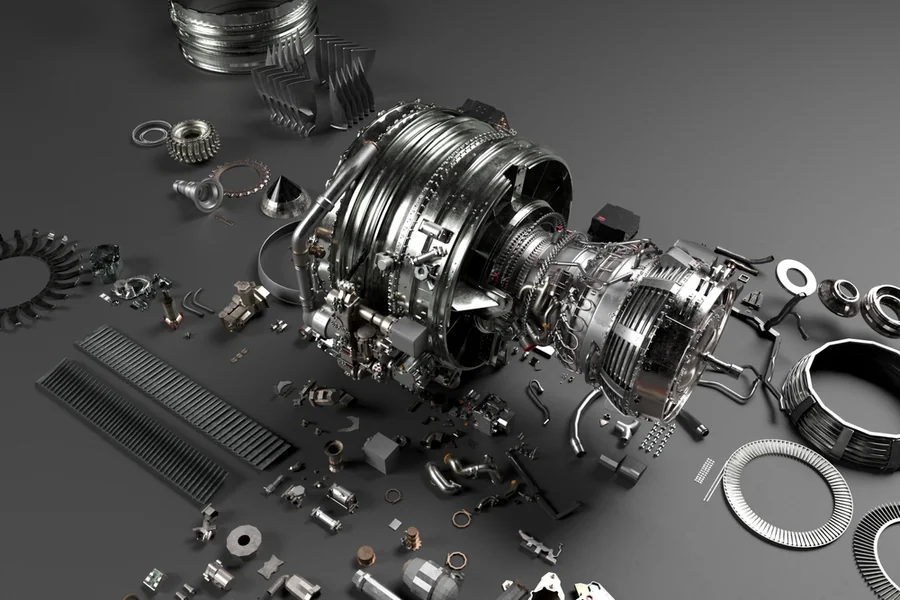
Aircraft components endure heat, pressure, vibration, moisture, friction, and chemical exposure throughout each flight. Repeated stress can alter surface hardness, remove material, or initiate corrosion. These changes may affect fit, movement, and structural reliability long before visible damage appears. Protective surface treatments help preserve critical dimensions and functional properties. For manufacturers and maintenance teams, careful coating selection supports safer operation, longer component life, and more predictable inspection intervals across demanding service cycles.
Why Surface Protection Matters
Lightweight alloys and high-strength steels give aircraft valuable performance advantages, yet each material has limits. Exposed surfaces may suffer abrasion, oxidation, fluid attack, or contact fatigue. Aerospace Coatings create a controlled barrier while preserving the component’s shape and mechanical purpose. Selection depends on temperature, load, movement, exposure, substrate composition, and thickness limits. Those variables determine surface preparation, application technique, curing requirements, and inspection criteria.
Heat and Oxidation
Elevated temperatures can change surface chemistry, reduce hardness, and accelerate oxidation. Repeated heating and cooling also create expansion differences between a treatment and its underlying metal. Hot gases may reach exposed areas around engines, exhaust systems, and combustion hardware. Suitable protective layers slow chemical attack while retaining dimensional stability. Their performance depends on formulation, thickness, adhesion, and exposure duration.
Friction and Wear
Sliding assemblies generate contact pressure, heat, and material transfer. Unprotected surfaces can develop grooves, scoring, or particle damage after repeated movement. Low-friction treatments reduce resistance between mating components, while hard layers limit material loss. Shafts, seals, actuators, gears, and bearing areas often benefit from this protection. Reduced wear can preserve movement accuracy and extend the time between maintenance events.
Corrosion Control
Aircraft parts are exposed to humidity, salt, hydraulic fluid, fuel, and cleaning agents. Small scratches may expose bare metal, allowing corrosion to spread beneath the surface. Effective protection begins with clean preparation and a suitable surface texture. Application teams then control thickness, curing, and coverage. Inspection should check adhesion, pinholes, edge coverage, and visible defects before treated hardware returns to operation.
Substrate Preparation
Bond strength begins with the base material. Oil, oxides, dust, and residues can disrupt contact between the substrate and the applied layer. Cleaning may involve solvents, abrasive blasting, chemical activation, or controlled heating. The method must suit the alloy, geometry, and selected material. Excessive abrasion can remove critical metal, while poor cleaning can cause lifting or premature failure. Process records support traceability during production and repair.
Application Control
Technicians manage spray distance, feed rate, chamber conditions, travel speed, and deposited thickness. Minor variation can produce uneven coverage, porosity, or local stress. Automated equipment improves repeatability across regular shapes, while experienced personnel remain essential for edges, recesses, and repair zones. Masking protects bores, threads, electrical contacts, and precision fits. Clear instructions reduce rework and keep each batch within approved limits.
Inspection and Testing
Inspection confirms whether the finished surface meets its technical specification. Visual checks identify cracks, runs, pinholes, rough areas, and incomplete coverage. Thickness measurements verify that the layer remains within dimensional limits. Adhesion testing evaluates bonding strength, while hardness and wear trials assess functional behavior. Environmental exposure can reproduce heat, salt, fluid contact, and repeated cycling. Test results connect laboratory performance with expected service conditions.
Repair and Maintenance
Surface treatments can restore worn areas and protect replacement hardware. A sound repair plan considers the original material, damage pattern, operating history, and required finish. Technicians may remove affected sections, prepare exposed metal, apply a compatible material, and inspect the result. Compatibility matters because differences in expansion, hardness, or friction can place stress on adjoining areas. Maintenance records should document each repair for future evaluation.
Performance and Cost
A treatment earns its cost by preserving function and reducing avoidable maintenance. Longer component life may lower replacement demand, labor hours, and aircraft downtime. Friction control can also reduce energy loss in moving systems. Financial reviews should include the costs of preparation, application, inspection, repair, and removal. A low purchase price offers limited value if early wear demands frequent rework or interrupts scheduled service.
Conclusion
Aerospace coatings protect critical components from heat, friction, oxidation, moisture, and chemical exposure. Reliable results depend on material selection, thorough preparation, controlled application, and documented inspection. Manufacturers and maintenance teams gain greater value when decisions are based on actual service conditions rather than appearance alone. The right treatment can preserve dimensions, limit wear, and support dependable aircraft operation through repeated flight cycles. Surface protection remains an important element of aerospace quality and maintenance practice.