
Advances in B-Cell Malignancy Treatment: Where Tacabrutideg Fits in Emerging Clinical Strategies
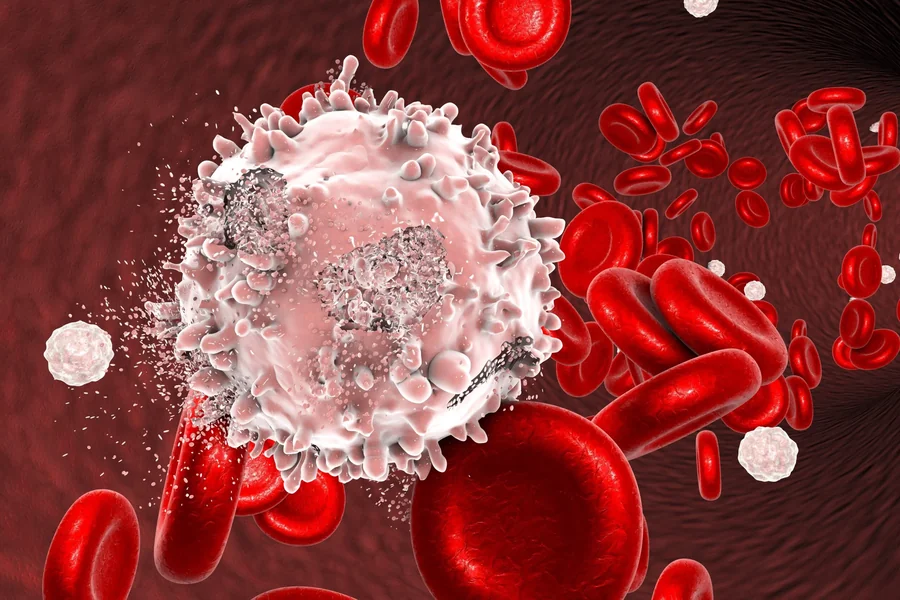
Treatment of B-cell malignancies has recently changed in direction by use of targeted therapies which interfere with crucial pathways of B-cells that remain cancerous. Of these novel targeted agents, Bruton’s tyrosine kinase (BTK) has recently become a major novel target for treatment of B-cell malignancies, particularly as BTK is integral to B-cell receptor signaling. BTK has, however, been reported to become resistant to the conventional BTK inhibitors, with this resistance often believed to be due to a wide variety of BTK alterations including point mutations. To counteract these protein alterations novel means of BTK inactivation have recently been investigated. Tacabrutideg (BGB-16673) is a novel, Investigational BTK-targeted protein degradation therapy, at clinical trials stage.
The Evolution of Targeted Treatment in B-Cell Malignancies
B-cell malignancies consist of a spectrum of diseases including chronic lymphocytic leukemia (CLL), mantle cell lymphoma (MCL), follicular lymphoma, marginal zone lymphoma, and others including Waldenström macroglobulinemia. Individual diseases as well as their respective biological characteristics, prior treatment, and current clinical state of patients are factors that can affect selection of appropriate therapy.
The class of BTK kinase inhibitors has been added to the therapeutic arsenal for the treatment of B cell malignancies. Covalent inhibitors of BTK form covalent bonds with cysteine residues within the kinase domain of BTK, thereby inactivating the enzyme and abrogating B cell receptor-mediated activation of signaling pathways necessary for malignant cell growth and survival. However, like many targeted therapies for cancer, there exists a milieu of molecular heterogeneity amongst malignant cells such that some form of escape from therapeutic inhibition occurs.
These limitations have driven interest in looking at alternative methods of targeting BTK to prevent the development of resistance and to better eliminate malignant cells. By removing the BTK protein from malignant B cells, alternative methods of targeting BTK have the potential to represent powerful therapeutic agents.
What Is Tacabrutideg?
This new approach is offered by investigational compound Tacabrutideg (BGB-16673) that is a BTK-targeted protein degrader. Unlike conventional BTK inhibitors that are aimed at BTK’s enzymatic activity, Tacabrutideg is intended to specifically target BTK for degradation by the cells’ protein degradation machinery. Given the emerging resistance to conventional BTK inhibition, an alternative strategy of BTK protein degradation is required and offers new potential approaches to the treatment of B-cell malignancies.
This treatment is currently being investigated in a Phase 1/2 study and is studying the treatment of several different B-cell malignancies, including CLL/SLL, MCL, marginal zone lymphoma, follicular lymphoma, Waldenström’s macroglobulinemia, DLBCL (diffuse large B-cell lymphoma), and the rare but aggressive form of lymphoma known as Richter transformation to DLBCL.
Why BTK Degradation Could Matter
By occupying the BTK active site or by another interaction with the BTK molecule, conventional BTK inhibitors are able to prevent downstream signaling events. However, changes in the BTK protein (e.g. mutations) can affect its interaction with the BTK inhibitor and thus confer resistance to the latter.
Rather than relying on sustained inhibition of the BTK enzyme activity, a BTK protein degrader seeks to eliminate the BTK protein by recruiting the cell’s protein degradation machinery. Although the BTK degradation approach may have potential advantages over BTK inhibition, such as enabling treatment of cancer that has developed resistance to previous BTK inhibitors, the clinical relevance of BTK degradation needs to be investigated in appropriately controlled clinical studies.
Clinical Development in Previously Treated Disease
Research is ongoing to evaluate the efficacy of Tacabrutideg in previously treated patients. An active NCI sponsored study is designed to assess the safety and anti-important activity of Tacabrutideg administered to patients with B-cell malignancies who have been previously treated with a covalent BTK inhibitor. This study includes a dose escalation phase and subsequent expansion cohorts to assess Tacabrutideg’ S efficacy in specific tumor types.
A Phase 3 study comparing Tacabrutideg to Pirtobrutinib (PM26513, PM26509) in adults with relapsed or refractory CLL/SLL previously treated with a covalent BTK inhibitor is currently active.
Here is a new version of the highlighted text.
Combination Strategies
This targeted protein degradation therapy is being investigated as a single agent and in combination with other targeted therapies including sonrotoclax, Zanubrutinib, mosunetuzumab and glofitamab in patients with relapsed or refractory B-cell malignancies.
No information is available regarding the safety or efficacy of combinations of Tacabrutideg with other targeted therapies. In general, combinations of different survival pathways as well as immunologic approaches can potentially result in synergistic effects. Therefore, these combinations are being investigated in cancer therapy.
Exploring Activity Across Different B-Cell Diseases
Taken collectively, the diverse studies being conducted as part of the program’s broad clinical development strategy aim to evaluate Tacabrutideg in various B-cell malignancies of distinct clinical and molecular characteristics.
Other clinical studies are being conducted to evaluate Tacabrutideg for use in combination with other therapies in patients with B-cell malignancies including a Phase 1/2 open-label study to evaluate the safety of the drug in patients with CLL or SLL who have previously received both BTK and BCL-2 inhibitors as well as other therapy and a Phase 3 superiority study in which patients will receive either Tacabrutideg or investigator’s choice of other therapy in patients with previously treated disease.
Current Evidence and Remaining Questions
The early clinical trials reported some degree of antitumor activity. Also information was gathered on the safety/tolerability of Tacabrutideg in a cohort of BTK inhibitor-naive patients. Details on treatment-related adverse events included hematologic and bleeding events in the report of a 2026 update from the CaDAnCe-101 study. Note these are very early days for this novel compound, and all information should be viewed within the context of early phase trials and therefore no conclusions can be drawn as to any treatment effect.
There are many questions which will need to be addressed in terms of optimal dosing, longer term follow-up of patients, the duration of response, the development of resistance and how to use the drug in different patient populations with B-cell malignancy.
Future Role in B-Cell Malignancy Treatment
Therapy using protein degradation is becoming a next generation of targeted cancer therapies, and Tacabrutideg is designed to treat the patient with relapsed or refractory disease who has been previously treated with a BTK inhibitor.
Important to note that Tacabrutideg is not approved by the FDA for the treatment of any B-cell malignancies. Though it has received an orphan designation for mantle cell lymphoma from the FDA’s orphan-drug database, it has not yet been approved for this or for any other indication for the treatment of B-cell malignancies.
Future Phase 2 and Phase 3 studies can shed light on the effectiveness of BTK degradation in the treatment of patients with relapsed or refractory B-cell malignancies. Although these studies are presently classified as investigation, they can provide valuable insight into how the protein degradation approach can be used to complement current targeted therapies to provide improved clinical outcomes for patients with B-cell malignancies.
Disclaimer: The information provided in this article is intended for educational purposes only and should not be interpreted as medical advice, a clinical guideline, or a recommendation for any specific treatment.