
Pressure Washer Start-Up and Shutdown Routine: Pressure Washer Tips That Protect Your Equipment
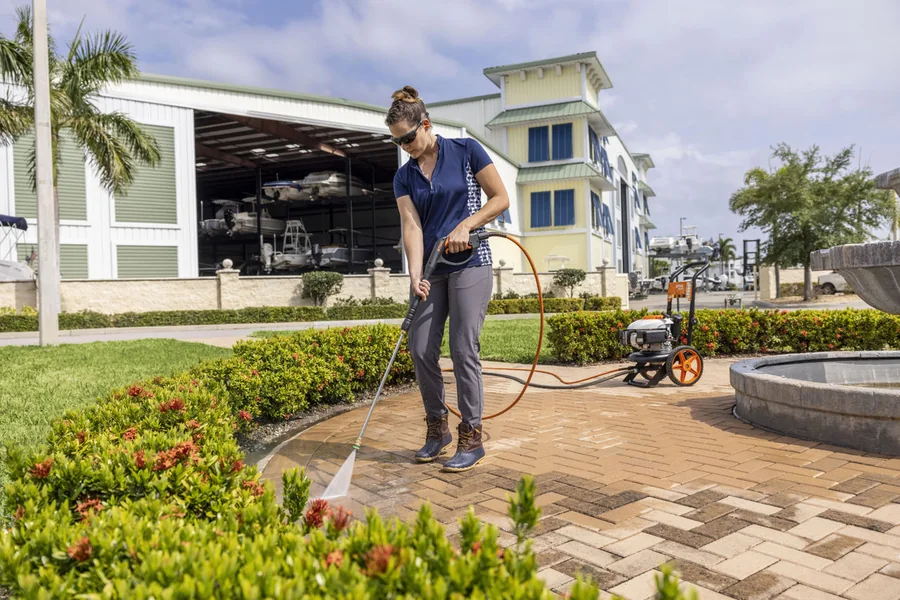
A pressure washer can handle years of demanding cleaning work, but durability depends on more than motor power or pump quality. The moments immediately before and after operation matter just as much. A rushed start can leave the pump running without adequate water flow, while an improper shutdown can leave pressure trapped in the hose and place unnecessary strain on connections.
These simple pressure washer tips focus on a part of maintenance that is easy to overlook: developing a consistent start-up and shutdown routine. The goal is not to add unnecessary steps, but to make the correct sequence automatic.
Why a Consistent Pressure Washer Routine Matters More Than Occasional Maintenance
Pressure washers combine water, electrical components or fuel-powered machinery, high-pressure hoses, fittings, valves, and a pump. Each component has a specific operating range, and problems often occur when those systems are started or stopped under the wrong conditions.
A useful way to think about the routine is “water first, pressure second; pressure off, water last.”
That simple principle helps prevent dry running, unnecessary pressure buildup, and abrupt changes in the system. It also makes troubleshooting easier because you know the machine was prepared and shut down in a predictable sequence.
What to Check Before Turning the Pressure Washer On
The first inspection should happen before the power switch or engine is engaged. Look over the machine, hose, spray gun, wand, fittings, and water supply.
Check for:
- Cracked, abraded, or visibly damaged hoses
- Loose quick-connect fittings
- Damaged O-rings or leaking connections
- Blocked or contaminated nozzles
- A kinked high-pressure hose
- Adequate water supply and flow
- Electrical cord or plug damage on electric models
- Fuel, oil, and ventilation requirements on gas-powered models
OSHA specifically identifies high-pressure hoses and connections as components that should be inspected before use, noting that uncontrolled high-pressure water and hose failures can create serious injury hazards. (OSHA)
A 30-second inspection is considerably easier than diagnosing a pressure problem halfway through a cleaning job.
How to Establish Water Flow Before Applying Pressure
One of the most important start-up habits is making sure the pump receives water before the motor or engine is operating under load.
Connect the garden hose securely and turn on the water supply. With the spray gun pointed in a safe direction, squeeze the trigger and allow water to flow until the stream is steady and relatively free of air.
This helps purge trapped air from the supply side. Air pockets can contribute to surging or inconsistent pressure, while inadequate water supply can place unnecessary stress on the pump.
Do not treat a pressure washer like a machine that can simply be switched on and supplied with water afterward. The pump should have an established water supply before it begins doing its job.
Pressure Washer Tips for Choosing the Right Nozzle Before Starting
The nozzle is part of the operating system, not merely an accessory. Different nozzle angles distribute pressure differently, so choosing one based solely on the highest available cleaning force can lead to surface damage.
Before starting, identify the material being cleaned and select the appropriate spray pattern. Begin with a wider spray and greater working distance when you’re uncertain about how a surface will react.
For routine exterior cleaning, it is also worth checking that the nozzle is fully seated in the quick-connect fitting. A nozzle that is not properly secured should never be treated as a minor inconvenience.
If a nozzle becomes clogged, shut the machine down and relieve pressure before attempting to clean or replace it.
The Correct Start-Up Sequence From Water Supply to Working Pressure
Once the machine and accessories are inspected, use a repeatable sequence:
- Connect the water supply and high-pressure hose.
- Turn on the water source completely.
- Squeeze the spray-gun trigger to purge air from the system.
- Confirm steady water flow.
- Install the appropriate nozzle or accessory.
- Start the electric motor or engine according to the manufacturer’s instructions.
- Release the trigger only after the system is operating normally.
- Begin cleaning with a conservative spray distance and pressure.
The important detail is the order. Starting the machine before establishing water flow can create avoidable stress. Similarly, immediately placing a high-pressure stream against a delicate surface leaves little room to identify whether the selected nozzle, distance, or pressure is appropriate.
How to Decide Between Higher Pressure and Better Technique
More pressure does not automatically mean better cleaning. In many situations, dwell time, detergent, spray angle, nozzle selection, and working distance have a greater influence on results than simply increasing pressure.
For example, heavily soiled concrete may tolerate a more aggressive approach than painted siding. Automotive surfaces, wood, outdoor furniture, and other finished materials generally require more restraint.
A practical decision sequence is:
Identify the surface → choose the appropriate nozzle → start farther away → test a small area → adjust technique before increasing pressure.
This approach protects the surface while also reducing the temptation to compensate for poor technique with excessive pressure.
What to Watch for During Operation
Once cleaning begins, pay attention to changes in the machine rather than focusing exclusively on the surface.
Pulsing, unusual vibration, sudden pressure loss, abnormal noise, leaking fittings, or intermittent water flow can indicate a supply, nozzle, hose, or pump issue.
If something changes unexpectedly, release the trigger and investigate rather than continuing to operate through the problem.
A pressure washer should also not be left running unnecessarily while the trigger is released. Many machines use an automatic stop or unload mechanism, but operating instructions vary. Follow the manufacturer’s guidance for how long the machine can safely remain in bypass or idle conditions.
The Correct Shutdown Sequence Prevents Trapped Pressure
Shutdown deserves the same attention as start-up. The safest routine is to remove working pressure before disconnecting hoses, accessories, or fittings.
A general shutdown sequence is:
- Release the spray-gun trigger.
- Turn off the pressure washer according to the manufacturer’s instructions.
- Shut off the water supply.
- Squeeze the trigger again to relieve residual pressure.
- Engage any trigger lock or storage mechanism specified by the manufacturer.
- Disconnect accessories only after pressure has been relieved.
- Drain or store hoses according to the equipment instructions.
The exact sequence can vary by machine, so the owner’s manual takes precedence. The key principle is consistent: do not disconnect a pressurized connection simply because the motor has stopped.
Residual pressure can make fittings difficult to remove and can cause an unexpected burst of water when a connection is opened.
Common Start-Up and Shutdown Mistakes That Shorten Equipment Life
Several habits appear harmless but can create avoidable problems over time.
Starting before establishing water flow: This is one of the easiest mistakes to prevent.
Using a damaged hose: Small abrasions can become larger failures under high pressure.
Leaving the nozzle installed while troubleshooting a blockage: Always relieve pressure first.
Pulling the machine by the hose: This puts unnecessary strain on fittings and connections.
Disconnecting hoses immediately after switching off the motor: Residual pressure should be released before disassembly.
Ignoring repeated pressure fluctuations: Surging may indicate a restriction, inadequate water supply, air entering the system, or another issue that deserves attention.
Recent CPSC recalls and warnings also illustrate why electrical protection deserves attention with electric pressure washers. In September 2026, CPSC issued warnings involving models lacking required or expected GFCI protection, highlighting the importance of following electrical safety requirements and checking recall information when applicable. (U.S. Consumer Product Safety Commission)
A Simple Two-Minute Routine for Regular Cleaning Jobs
For homeowners and professionals alike, the best routine is one that is easy to repeat.
Before operation: inspect the hose, fittings, nozzle, water supply, and electrical components; connect everything; establish water flow; purge air; then start the machine.
After operation: stop the machine; shut off the water; relieve pressure through the spray gun; disconnect accessories only after pressure is gone; drain and store the equipment appropriately.
That process takes very little time once it becomes habitual.
FAQ About Pressure Washer Start-Up and Shutdown
Should the water be turned on before starting a pressure washer?
Yes. In general, establish adequate water flow before starting the pump. Follow the manufacturer’s specific start-up instructions, particularly regarding water supply requirements.
Should you release pressure after turning off a pressure washer?
Yes. Once the machine is stopped and the water supply is shut off as directed by the manufacturer, releasing pressure through the spray gun helps remove residual pressure before disconnecting equipment.
Can a pressure washer run without a nozzle?
Some machines may permit water flow without a spray nozzle, but operating procedures vary. Never use nozzle removal as a substitute for following the manufacturer’s instructions.
Why does a pressure washer pulse during operation?
Pulsing can result from inadequate water supply, trapped air, a restricted nozzle, hose problems, or pump-related issues. Stop and inspect the system rather than continuing to operate through persistent surging.
What is the most important pressure washer maintenance habit?
Consistency. A short inspection before use and a controlled pressure-relief procedure afterward can prevent many avoidable operating problems.
Protect the Machine by Controlling the Routine
Pressure washer longevity is often shaped by small decisions rather than dramatic maintenance jobs. Establishing water flow before startup, selecting the right nozzle, watching for abnormal operation, and relieving pressure before disconnecting equipment creates a controlled operating cycle.
For anyone using a pressure washer regularly, that sequence is worth treating as part of the equipment itself. The machine supplies the power, but the operator’s routine determines how responsibly that power is applied.