
When Root Canal Therapy Is Necessary (And How Modern Endodontics Saves Your Smile)
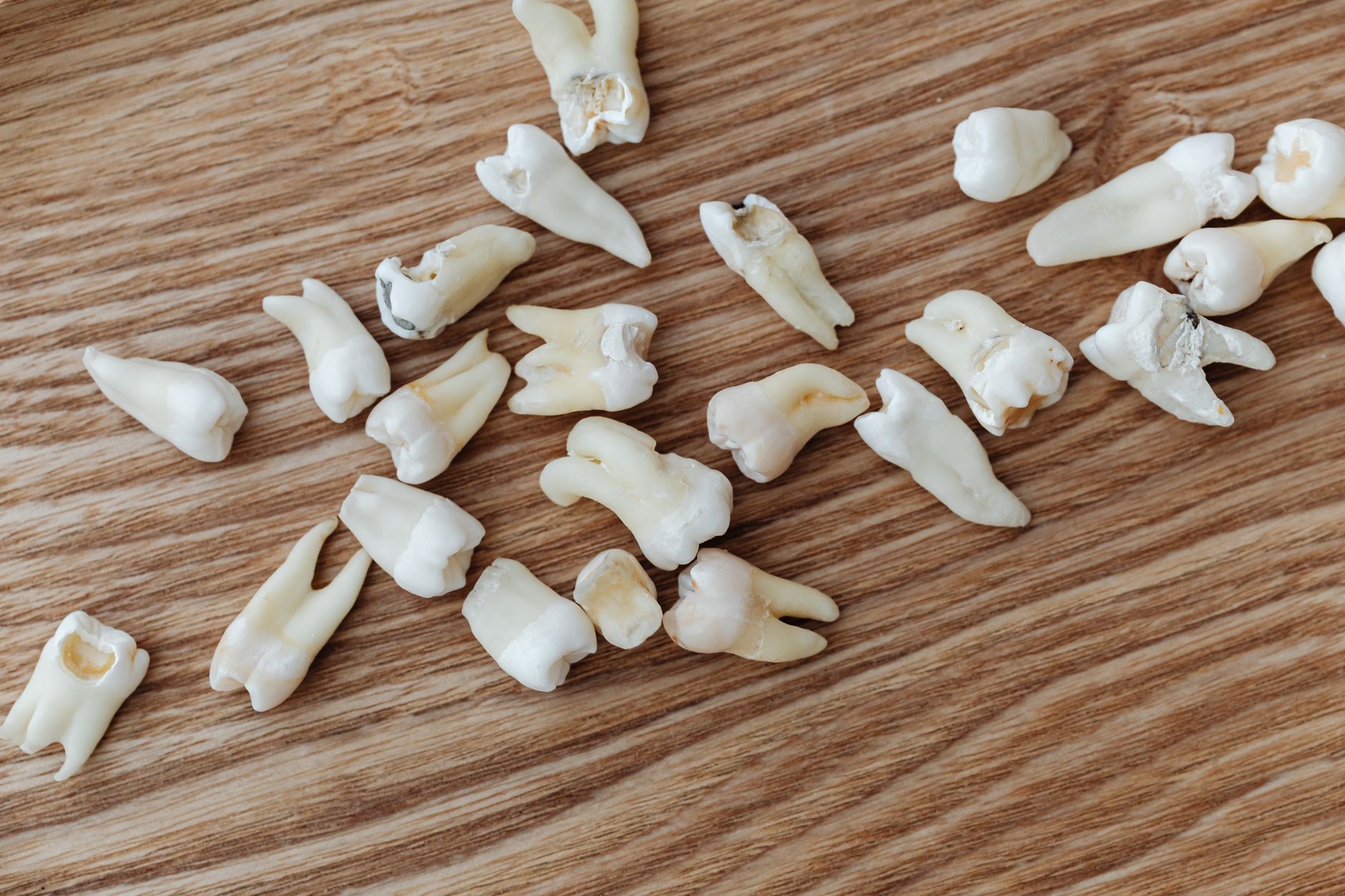
Root canal therapy carries an unnecessary reputation for discomfort, yet standard dental procedures rarely provide as much immediate relief. Modern advanced endodontics exists specifically to eliminate severe infection, preserve natural tooth structure, and prevent the domino effect of tooth loss. Over 15 million root canals are performed in the United States every year, allowing patients to maintain their natural bite, chew comfortably, and protect their jawbone integrity long into the future.
Ignoring deep dental pain or persistent swelling often leads to irreversible structural damage and systemic inflammation. Understanding the clear signs of deep dental infection, how specialized endodontic care differs from standard dental visits, and what to expect during treatment helps clear away anxiety and equips you to make informed decisions for your family’s long-term oral health.
Recognizing the Signals of Deep Dental Decay
Tooth decay starts quietly on the enamel, but when left untreated, bacteria penetrate the dentin and reach the pulp—the innermost layer containing nerves, blood vessels, and connective tissue. Once bacteria compromise this sensitive area, the nerve becomes inflamed or infected, a condition known as pulpitis.
Standard fillings address surface cavities, but deep pulp infections require targeted care. Catching these warning signs early helps you avoid severe complications or emergency extractions:
- Lingering sensitivity to hot or cold foods that lasts long after the source is removed.
- Sharp, throbbing pain when biting down or applying pressure to a specific tooth.
- Unexplained discoloration or darkening of a single tooth.
- Persistent tenderness, swelling, or small pimple-like bumps on the gums near the affected root.
Ignoring these indicators does not make the underlying infection go away. As the nerve tissue dies, temporary numbness may occur, leading some to assume the problem has resolved itself. In reality, the bacterial infection continues to spread deeper into the jawbone, threatening neighboring teeth and surrounding tissue.
The Modern Approach to Preserving Your Natural Teeth
Standard general dentistry focuses heavily on preventive care, routine cleans, fillings, and aesthetic improvements. When an infection reaches the intricate root canal system of a tooth, specialized expertise becomes essential for saving the natural tooth structure.
Endodontists undergo several years of advanced clinical training beyond dental school, focusing exclusively on diagnosing facial pain and performing complex root canal therapy. Utilizing high-powered surgical microscopes, digital 3D imaging, and gentle micro-instrumentation, endodontic specialists can clean, shape, and seal delicate root canals that are invisible to the naked eye.
Whether you need a routine procedure or specialized care from an endodontist in Atlanta GA, seeking expert treatment ensures that microscopic canal structures are thoroughly disinfected, maximizing the success rate of tooth preservation.
Preserving your natural tooth provides clear advantages over extraction:
- Natural chewing force: Retaining original teeth maintains natural bite power and efficiency.
- Jawbone preservation: Natural roots stimulate the surrounding bone, preventing the bone loss that typically follows tooth loss.
- Alignment protection: Keeping your original tooth prevents adjacent teeth from drifting into empty spaces, protecting your overall bite alignment.
- Cost efficiency: Retaining a natural tooth is significantly more cost-effective than managing extractions, dental implants, or complex bridge placements later on.
The Step-by-Step Root Canal Process Explained
Many patients experience anxiety due to outdated misconceptions about root canal therapy. Today’s techniques match the comfort levels of standard dental fillings, using localized numbing agents and advanced technology to ensure a smooth, pain-free experience.
Thorough Diagnosis and Digital Mapping
The process begins with high-resolution digital X-rays or 3D cone-beam computed tomography (CBCT) scans. These detailed images allow the specialist to inspect the shape of your root canals, evaluate surrounding bone tissue, and pinpoint the exact source of infection.
Disinfection and Canal Cleaning
After the area is completely numbed, a small protective sheet called a dental dam isolates the tooth, keeping it clean and dry. A small access point is made in the crown of the tooth to reach the damaged pulp. Using precision micro-instruments, the infected nerve tissue is removed, and the interior canals are thoroughly disinfected with specialized antimicrobial solutions.
Sealing and Restorative Care
Once the canals are clean and shaped, they are filled with a biocompatible material called gutta-percha. This rubber-like material seals the inner chambers to prevent future bacterial reinfection. Finally, the tooth is closed with a temporary filling, leaving it ready for your general dentist to place a custom protective crown that restores full strength and natural appearance.
Caring for Your Smile After Treatment
Recovery after modern endodontic treatment is straightforward. Most patients return to their normal daily activities the following day. Mild tenderness in the jaw or surrounding tissue is common for a few days and responds well to over-the-counter pain relievers or recommended post-procedure care.
To ensure long-term success after your treatment:
- Avoid chewing on the treated tooth until your permanent crown or final restoration is placed by your dentist.
- Maintain thorough daily hygiene by brushing twice daily with fluoride toothpaste and flossing carefully around the restoration.
- Attend scheduled follow-up visits to ensure the surrounding bone tissue is healing as expected.
- Wear a protective nightguard if you tend to grind or clench your teeth during sleep.
Timely endodontic treatment turns a potentially severe dental emergency into a manageable routine procedure. Pay close attention to early warning signs, act quickly at the first sign of persistent discomfort, and partner with qualified specialists to keep your natural smile healthy, intact, and pain-free for a lifetime.