
The Modern Family Guide to Preventive Dental Care: What Truly Matters for Long-Term Oral Health
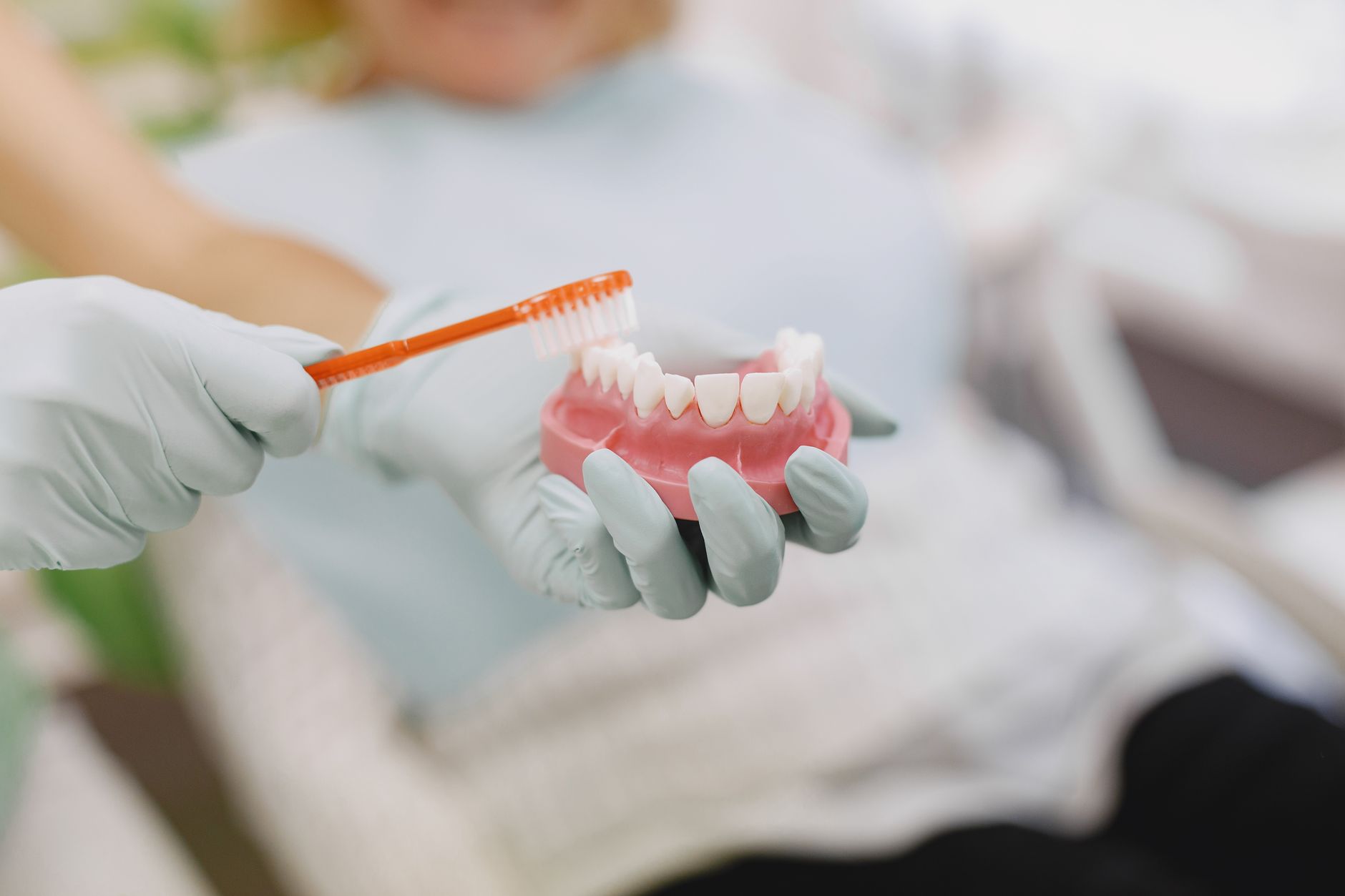
Maintaining healthy teeth and gums across different stages of life requires more than just brushing twice a day. Between conflicting online advice and evolving dental technology, family members often struggle to determine which preventive practices deliver measurable results. Managing routine care for children, teenagers, and aging adults introduces distinct challenges—from preventing early childhood cavities to preserving enamel and protecting gum health in later years.
Understanding how everyday habits, nutrition, and professional interventions interact makes it easier to build a sustainable routine for the whole household. Here is a practical breakdown of how to safeguard your family's oral health through every age and stage.
Pediatric Oral Health: Building Foundations Early
Oral care begins before the first tooth even emerges. Infants benefit from having their gums wiped gently with a soft, damp cloth after feedings to reduce bacterial buildup. Once the first tooth appears, typically around six months, parents should transition to a soft-bristled baby toothbrush with a smear of fluoridated toothpaste the size of a grain of rice.
Early childhood tooth decay remains one of the most common chronic conditions in children, yet it is almost entirely preventable. Key steps for safeguarding young teeth include:
- Limiting frequent exposure to sugary liquids in bottles or sippy cups, especially before naps and bedtime.
- Introducing a regular brushing routine twice daily, supervising children until they possess the manual dexterity to brush thoroughly on their own (usually around age seven or eight).
- Scheduling an initial dental evaluation by their first birthday or within six months of the first tooth's appearance.
Establishing positive associations with oral hygiene early on reduces anxiety and sets up lifelong habits that protect primary teeth, which serve as essential placeholders for permanent adult teeth.
Navigating Adolescent and Adult Dental Care
As children transition into adolescence and adulthood, their oral health needs shift dramatically. Dietary changes, sports participation, and potential orthodontic treatments introduce new factors that require adjustments in daily care.
Teenagers undergoing orthodontic treatment with traditional braces or clear aligners face an elevated risk of plaque accumulation along bracket margins and gumlines. Incorporating specialized tools—such as interdental brushes, water flossers, and orthodontic threaders—helps maintain thorough cleaning without damaging appliances. For active teens and adults involved in contact sports, custom-fitted mouthguards offer crucial protection against chipped teeth, soft tissue injuries, and jaw trauma.
Adults face different primary challenges, notably early-stage gum inflammation (gingivitis) and enamel erosion caused by acidic diets, stress-induced teeth grinding, or improper brushing techniques. Addressing these issues requires a combination of daily home care and timely clinical support. When selecting a practice for routine checkups and specialized treatments, finding a reliable sarasota FL dentist ensures that your family receives personalized preventive strategies tailored to every age bracket.
The Connection Between Nutrition and Oral Health
What you eat directly impacts the structural integrity of your enamel and the balance of bacteria inside your mouth. Acid-producing bacteria thrive on simple carbohydrates and refined sugars, creating localized acid attacks that wear down enamel over time.
To protect enamel and support gum tissue, focus on incorporating nutrient-dense foods into your family's daily meals:
- Calcium and Phosphate Rich Foods: Dairy products like milk, yogurt, and cheese, as well as leafy greens and almonds, help remineralize enamel that has been weakened by mild acid exposure.
- Crunchy Fruits and Vegetables: Apples, carrots, and celery stimulate saliva flow. Saliva serves as the mouth's natural defense mechanism, neutralizing acids, washing away loose food particles, and delivering essential minerals to enamel.
- Water Over Acidic Beverages: Replacing sodas, sports drinks, and sweetened juices with tap water—which often contains optimal fluoride levels—promotes continuous hydration and reduces sustained acid exposure.
Snacking habits also play a critical role. Frequent grazing throughout the day keeps the mouth in a continuous acidic state, giving enamel little time to remineralize. Structuring clear meal times with designated water breaks dramatically lowers cavity risk across all age groups.
Essential Preventive Strategies for Aging Adults
As the body ages, oral tissues undergo natural changes. Older adults frequently experience recession of the gumline, exposing sensitive root surfaces that lack protective enamel. This makes root caries (cavities on the root structure) and tooth sensitivity far more common.
Another widespread challenge for seniors is dry mouth (xerostomia), often triggered as a side effect of prescription medications for blood pressure, arthritis, or heart health. Saliva is vital for preventing decay; a persistent lack of it accelerates tooth breakdown and causes tissue irritation. Strategies to manage dry mouth include:
- Staying consistently hydrated with water throughout the day.
- Using alcohol-free mouth rinses formulated specifically for dry mouth relief.
- Chewing xylitol-sweetened gum to stimulate salivary gland activity.
- Discussing medication side effects with healthcare providers to explore alternative prescriptions or palliative treatments.
Maintaining regular professional cleanings and examinations allows clinicians to detect root decay, gum deterioration, and soft-tissue changes early, keeping natural teeth functional and comfortable for a lifetime.
Creating a Sustainable Household Routine
Consistency is the ultimate driver of long-term oral health. A successful family dental routine does not rely on overly complex systems, but rather on executing basic fundamentals correctly every day.
Ensure every household member brushes for two full minutes twice daily using a soft-bristled toothbrush and fluoridated toothpaste. Flossing should occur at least once a day to clean the 35% of tooth surfaces that standard toothbrush bristles cannot reach. Replacing toothbrushes every three to four months—or immediately following an illness—prevents reintroducing unwanted bacteria into the mouth.
By combining proactive home care, balanced nutrition, and consistent professional checkups, you can protect your family's smiles through every stage of life.
What preventive steps has your family taken recently to upgrade your daily oral care routine?