
Why Your Tampa Bay Lawn May Need A Seasonal Strategy, Not A Routine
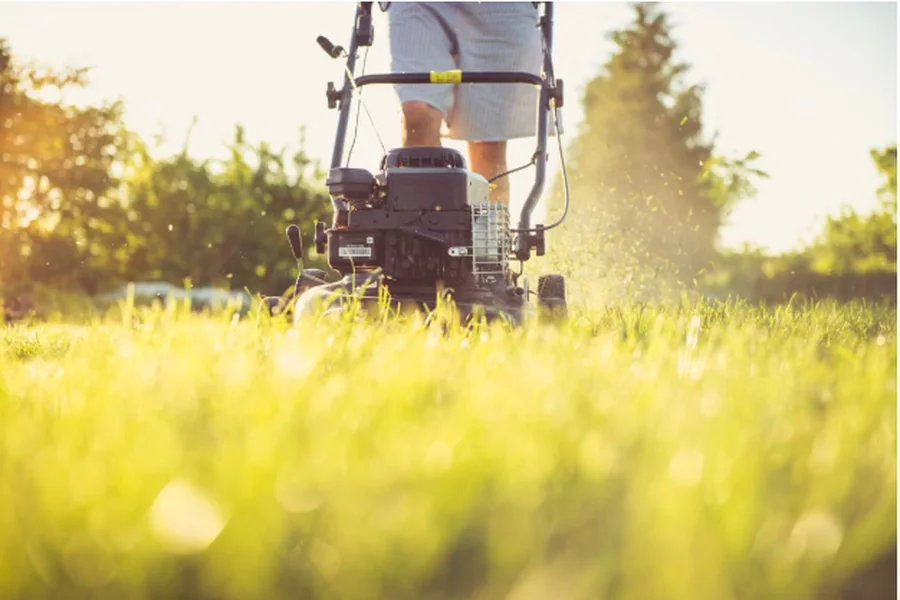
It’s easy to fall into the trap of doing the same tasks each week as part of the lawn care routine. A fixed schedule can also backfire or prove ineffective in Tampa Bay because rainfall, humidity, temperatures, and grass growth vary. A solution that works one season can cause issues the next.
Homeowners who notice signs of overwatering, uneven growth, weeds, pests, or poor turf performance often react by increasing watering, mowing frequency, or fertilizer. These rapid changes can be forgotten and can make lawn problems more difficult to manage.
A seasonal strategy adjusts watering, fertilizing, mowing, and pest management practices to meet Tampa Bay needs throughout the year. This article outlines how to identify those seasonal changes and develop a flexible turf maintenance plan to help maintain healthier, stronger and more resilient turf.
1. Tampa Bay’s Unique Climate and Grass Types
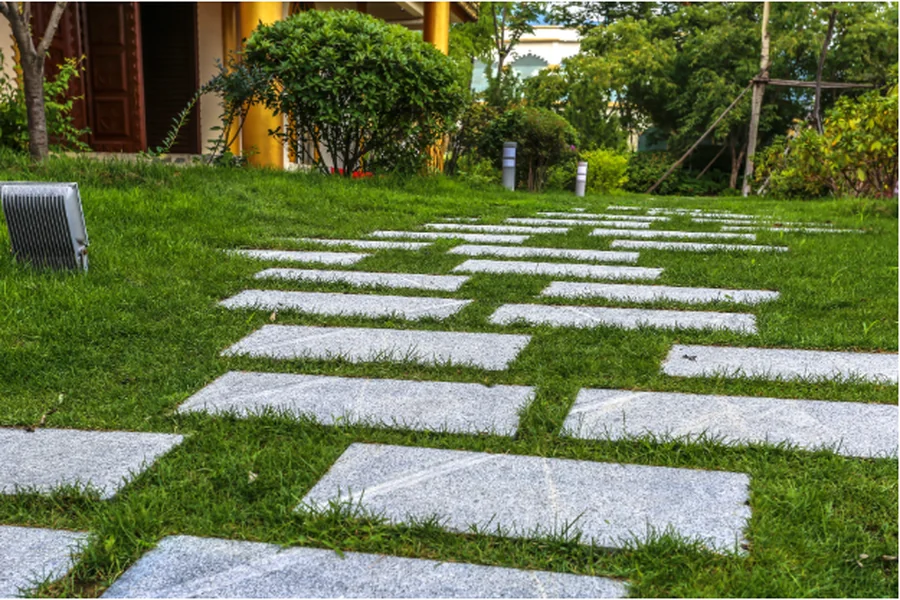
Tampa Bay is in a transition zone between humid subtropical and tropical climates. This means hot, wet summers and mild, drier winters with frost as a rare exception.
So, warm-weather grasses such as St. Augustine, Bermuda, Zoysia and Bahia go dormant in winter and grow rapidly in spring and summer. A one-size-fits-all routine is a total failure.
Applying the same schedule all year long means you’re drowning your grass during the rainy months and starving it during growth spurts.
For example, a 45-minute Tuesday watering in August is a recipe for root rot. But the same Tuesday routine in April is critical for survival. Adjusting your lawn care in Tampa Bay is a must to ensure your landscape truly flourishes.
2. Seasonal Watering: From Thunderstorms to Dry Spells
Your grass’s thirst is all over the map, fluctuating based on the forecast:
- Spring (March–May): Deep but infrequent watering, about 1 inch per week, before 10 AM, in the full swing of the dry season. Water your sprinklers for 45 minutes once a week instead of 15 minutes three times a week to encourage roots to go deep into the soil for moisture.
- Summer (June-September): Afternoon thunderstorms occur several times a week, with 0.5 to 2 inches of rain. Shut off your irrigation completely, or install a good rain sensor, to avoid over-saturation.
- Fall–Winter (October–February): The rainy season usually ends in October. Resume scheduled watering at 1 inch per week, but drastically reduce frequency in winter when evaporation drops.
Adapting regional drought protocols is also becoming more important. A Southwest Florida Water Management District update announced an extension of Phase III “Extreme” Water Shortage restrictions.
This restriction strictly limits landscape irrigation to just once per week for many properties. It’s not just about turf health since it’s also a regulation.
3. Fertilizing and Soil Care by Season
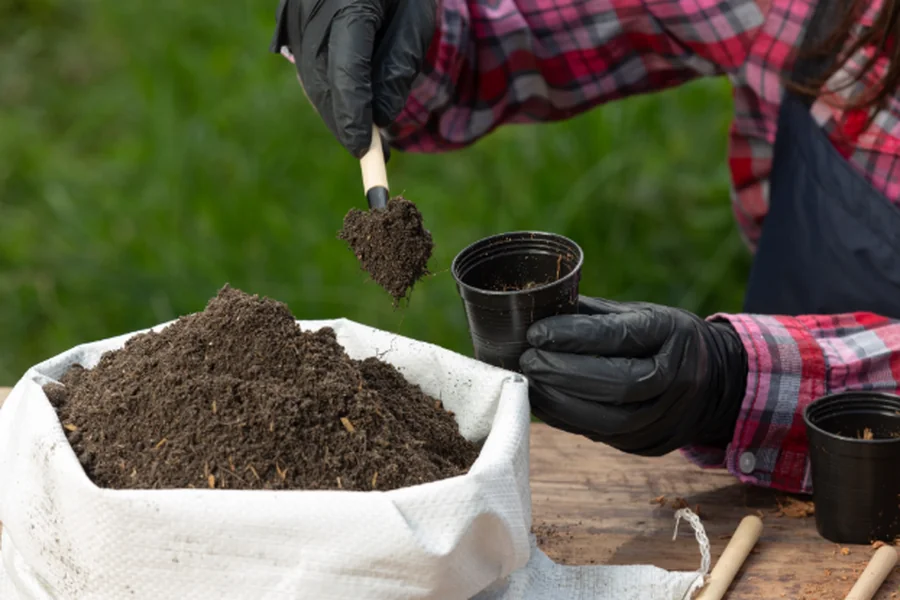
Soil nutrition is a moving target and needs strategic timing. A full year of soil care plan might look somewhat like this:
- Spring: After the spring green-up (when soil temperatures consistently exceed 65°F), apply a slow-release nitrogen fertilizer. This is the time to apply pre-emergent herbicides to prevent weed seeds from sprouting.
- Summer: Feed the turf every 6 to 8 weeks during growth. But don’t overdo nitrogen late in the summer. Too much tender new leaf growth just before cooler weather will weaken the grass.
- Fall: Focus on formulas rich in potassium. Potassium is the botanical winter coat. It strengthens the root system before the temperatures drop. Apply for your final major in early October.
- Winter: Reduce or cease fertilization altogether. Use this downtime to test your soil.
4. Mowing, Pest, and Disease Management Across Seasons
Mowing heights and pest control strategies must follow the calendar:
- Spring/Summer: Weekly mowing. The general rule of thumb is to keep St. Augustine at 3.5-4 inches and Zoysia at 1-2 inches.
- Fall/Winter: As growth slows, mow less often, every 10-21 days. Example: If your grass is 4.5 inches tall, never cut more than 1.5 inches at any one time to avoid shocking the plant.
- Pest & Disease Watch: High summer humidity promotes fungal growth. If you water your sprinklers at night in August, you’re basically inviting Brown Patch fungus to destroy your yard. Treat individual chinch bugs and fungi right away, but wait for cooler months, such as fall and winter, to do disruptive tasks like core aeration.
Interestingly, modern technology may be changing how you handle summer growth.
Using autonomous robotic mowers daily at a cut height of 2.4 inches improves the density of St. Augustine grass and its resistance to disease compared with traditional weekly mowing. This provides a labor-saving, science-based alternative for managing aggressive summer growth.
5. Building Your Seasonal Lawn Care Calendar
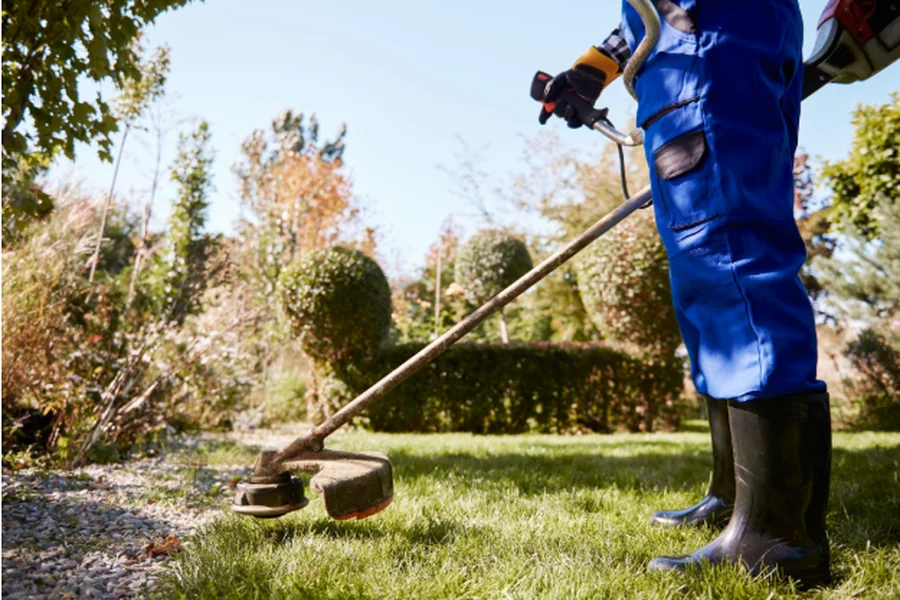
If you use this basic framework, it’s easy to switch to a seasonal approach:
- Spring: Test soil, apply pre-emergents, start watering once a day a week, and start slow-release feeding.
- Summer: Rely on rain, monitor for pests closely, and mow often.
- Fall: Fertilize with a potassium-rich fertilizer by October and water as needed. Reduce mowing
- Winter: Increase your mowing intervals, do not fertilize, and check for broken heads in your irrigation system.
Flexibility is the key. Tweak these recommendations to suit your grass type and any water-use limits in your area. Get the guesswork out of your seasonal nutrient plan by conducting a soil test.
Conclusion
Tampa Bay’s climate and unique turf biology require a seasonal, adaptive approach rather than a set routine. Now is the time to review your lawn care practices. Designing your maintenance schedule around the region’s natural environmental rhythms will help you cultivate a greener, healthier, and far more resilient yard year-round.