
How hospitality planters create defined outdoor dining and seating spaces
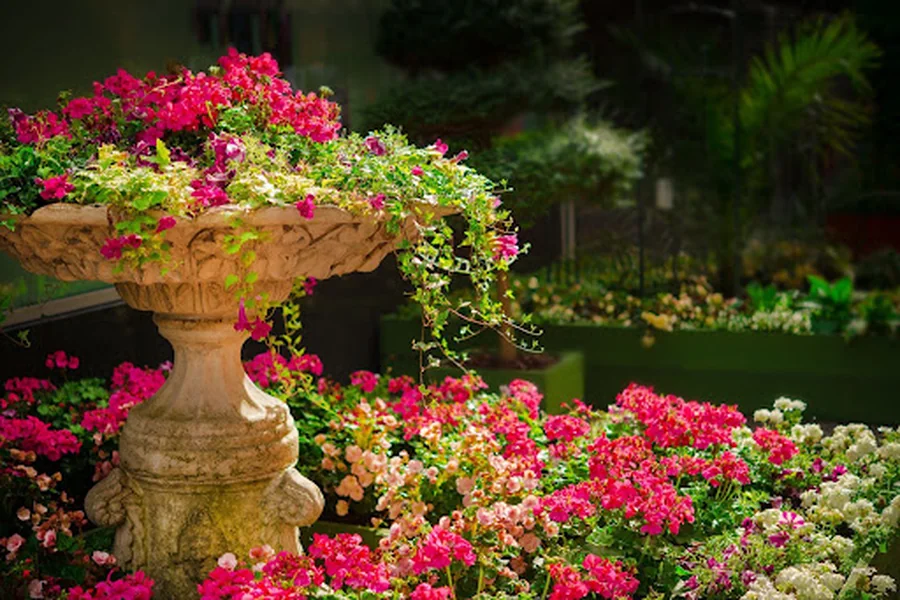
Hospitality venues are using heavy-duty exterior containers to establish natural barriers and elevate patron seating areas without permanent construction.
Outdoor dining spaces play a key role in the success of restaurants, cafés, and hotels. Guests want places where they can relax, enjoy good food, and spend time with friends. A well-planned patio can make these moments even better. However, creating a space that feels private, safe, and inviting can be a challenge for hospitality businesses.
Heavy-duty planters offer a simple way to shape outdoor seating areas without building permanent walls or fences. They help guide foot traffic, create natural barriers, and add greenery to busy commercial spaces. With the right planters, businesses can improve guest comfort, make better use of their outdoor areas, and create a warm first impression.
Why Do You Need Structured Outdoor Layouts?
Managing an outdoor patio requires careful planning to balance customer comfort with operational efficiency. Commercial venues and hospitality properties are increasingly using structured plant containers to segment outdoor patio spaces, improve privacy, and create inviting physical layouts. Guests expect a comfortable environment that feels private while remaining open to the surrounding energy of the street or courtyard. Traditional fencing or masonry walls often feel restrictive and block airflow. Natural elements soften hard architectural lines and create a welcoming atmosphere that draws people in from the sidewalk.
Creating distinct zones helps your staff manage service stations more effectively. When tables sit in an open, unorganized expanse, patrons often experience disruptions from foot traffic and passing vehicles. Physical dividers establish clear perimeters that shield diners from distractions. Designing these layouts with durable containers gives your business the flexibility to adjust floor plans whenever seasonal demands shift.
How Can Heavy-Duty Containers Shape Guest Experience?
Patron satisfaction depends heavily on the physical ambiance of your seating area. Selecting hospitality planters allows business owners to shape traffic patterns and guide customer movement naturally through the space. Sturdy exterior containers provide the weight and stability required to withstand accidental bumps from heavy foot traffic or gusty weather.
- Define customer pathways: Clear boundaries keep walking guests away from seated diners, ensuring a peaceful meal.
- Enhance acoustic comfort: Dense foliage absorbs ambient street noise, creating a quieter dining experience.
- Improve privacy levels: Taller plant configurations shield outdoor tables from prying eyes on busy sidewalks.
Investing in robust containment systems protects your floral arrangements from accidental damage. Commercial-grade pots absorb impacts from chairs and bags without cracking or shifting out of place. Your team can arrange these modular units into winding pathways or solid perimeter walls depending on daily seating needs.
What Materials Withstand High-Traffic Commercial Environments?
Choosing the right material dictates how long your exterior investments will last. Commercial patios face relentless exposure to ultraviolet rays, pouring rain, freezing temperatures, and constant cleaning chemicals. Fiberglass and high-density polyethylene offer exceptional durability without adding unmanageable weight to your patio deck.
Metal containers bring a sleek modern aesthetic, but they require proper powder coating to prevent rust in humid climates. Concrete provides unbeatable stability, though moving heavy stone units for seasonal layout changes requires specialized equipment. Matching the material to your local climate prevents cracking, fading, and structural degradation over years of heavy use.
How Do You Maintain Sightlines and Safety Compliance?
Balancing aesthetic privacy with local municipal regulations keeps your outdoor operations running smoothly. Municipal guidelines often dictate how high your exterior barriers can rise before obstructing pedestrian views. Guidance from the City of Portland emphasizes that clear sightlines into and through permitted areas must be maintained to preserve visibility between road users and pedestrians.
Complying with municipal visibility codes protects your venue from fines and keeps everyone safe. Positioning lower plantings near street corners or pedestrian crosswalks satisfies safety inspectors while keeping your patio enclosed.
Check local codes. Review municipal setback rules before placing large containers near public right-of-way zones. Vary plant heights. Combine tall statement plants in the center with low-growing cascading foliage near walkways. Secure mobile units. Install locking casters on heavy containers if your city requires clearing the sidewalk nightly.
Why Choose Visual Barriers Over Permanent Construction?
Building permanent walls or bolted fences locks your business into a single architectural layout for years. Temporary containment units offer the freedom to expand outdoor seating during peak summer months and shrink the footprint when cooler weather arrives. Regulations from the City of San Fernando state that barriers such as fences, ropes, and planters must be visually appealing and clearly define the dining space.
Utilizing natural greenery satisfies municipal aesthetic requirements far better than industrial plastic chains or weathered wooden pallets. Modular plant containers give your venue a polished look that local zoning boards appreciate and customers love.

How Do You Keep Exterior Displays Fresh Year-Round?
Maintaining outdoor plant health requires choosing resilient species that adapt to changing weather patterns. Hardy perennials and evergreen shrubs survive sudden temperature drops better than delicate seasonal annuals. Installing automated drip irrigation systems inside large containers ensures your plants receive consistent moisture without requiring constant manual watering from busy staff.
Adding a layer of organic mulch protects roots from summer heat and winter frost while giving containers a clean, finished appearance. Replacing seasonal flora quarterly keeps your exterior storefront looking vibrant and professional throughout the entire year.
Commercial properties can enhance customer experience and property value by integrating durable greenery barriers. Designing exterior layouts with structured plant containers transforms chaotic open spaces into comfortable dining sanctuaries. Your team will enjoy smoother service flows, while guests relish the privacy and natural beauty of your upgraded patio environment.