
Nearshoring in Europe: Why Companies Are Moving Production Closer to Home
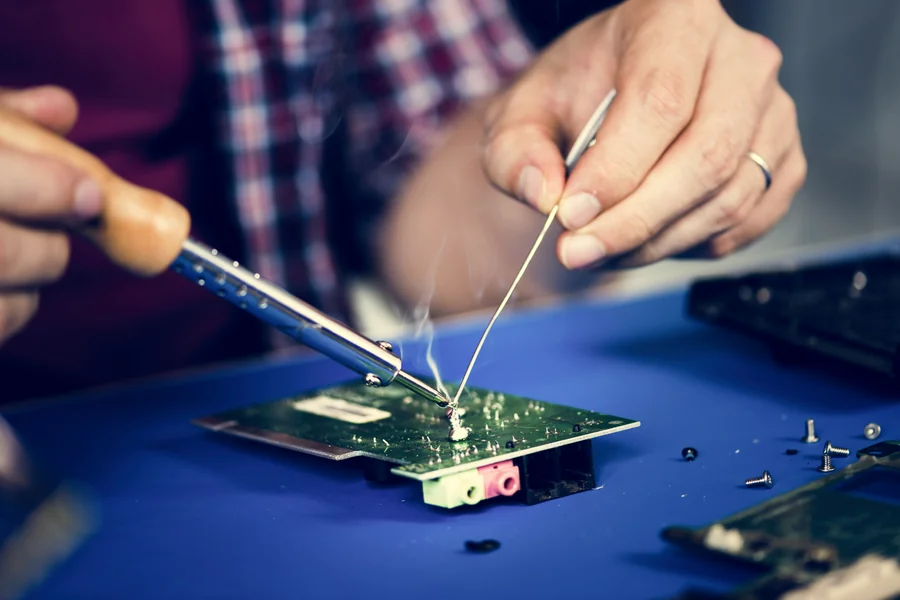
For a long time, European companies turned to Asia for electronics manufacturing.
Lower production costs and established supplier networks made it a sensible choice. But things have changed. Shipping delays, political tensions and rising costs have made businesses think twice about how much they rely on suppliers thousands of kilometres away.
Nearshoring offers another option. By moving production closer to their customers, companies can shorten delivery times and keep a closer eye on quality. For electronics manufacturers, this can include everything from sourcing components to PCB assembly. The goal is not necessarily to leave Asian markets behind, but to make supply chains easier to manage.
Supply Chain Problems Are Changing Business Decisions
The pandemic showed just how quickly global supply chains can break down. Factory closures and port delays left manufacturers waiting for components, sometimes for months. More recently, geopolitical tensions and changing trade policies have created further uncertainty.
For a company working to a tight production schedule, even a small delay can affect deliveries and customer relationships. Depending on suppliers in one region also leaves businesses exposed when something goes wrong.
European manufacturing provides another route. Companies can spread their production across different locations instead of relying too heavily on one market. This does not remove every risk, particularly when specialist components still come from Asia, but it gives businesses more options when disruptions occur.
Shorter Lead Times and the Real Cost of Production
Getting products to customers faster is one of the main reasons companies consider nearshoring. Shorter transport routes can reduce delivery times, while working with manufacturers in nearby countries makes communication and quality checks easier.
Cost is another consideration. Asian manufacturing can still be less expensive, but wages have risen in several established manufacturing hubs. Shipping, customs procedures, warehousing and the cost of holding extra stock also affect the final price.
European production usually comes with higher wages and operating expenses. Nearshoring, therefore, does not guarantee lower costs. For some companies, the benefit comes from avoiding delays, reducing excess inventory and responding to changes in demand without waiting weeks for products to arrive.
Why Hungary and Poland Are Gaining Ground
Hungary has become an important manufacturing location, particularly for the automotive and battery industries. Its existing industrial base makes it attractive to companies producing electronic systems and related components. Its location also provides access to other European markets.
Poland offers a large industrial workforce, established transport links and a growing manufacturing sector. Companies can use the country as a base for serving customers across Central and Western Europe without depending entirely on long-distance shipping.
Both countries are members of the European Union, which makes trading within the single market more straightforward. Still, choosing a location takes careful planning. Labour availability, energy prices, local suppliers and production capacity all influence whether a move makes financial sense.
EU Regulations and the Challenges Ahead
European regulations can also influence where companies choose to manufacture. Rules covering product safety, environmental standards and chemicals require businesses to pay close attention to their production processes. Operating closer to European customers may make oversight easier, although companies must still meet the relevant requirements.
There are trade-offs. European labour and energy costs can be high, and some specialised components remain difficult to source locally. Moving production also takes time and money. New suppliers must be assessed, manufacturing processes tested and quality standards maintained.
For these reasons, many businesses are unlikely to move all their production to Europe. Instead, they may keep established Asian suppliers while shifting selected manufacturing stages closer to home. This approach allows companies to retain access to global expertise while gaining greater control over delivery schedules and production planning.
Nearshoring is not the cheapest choice for every business. However, for companies that value reliable deliveries, closer supplier relationships and fewer supply chain surprises, European manufacturing is becoming an option worth considering.