
How a Car Crash Attorney Handles Claims Across Multiple Counties
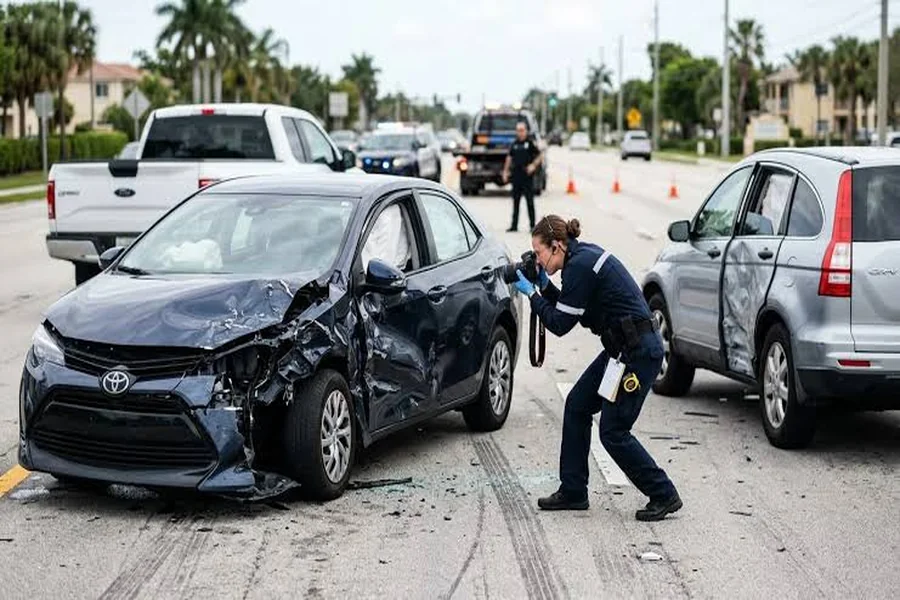
A car accident claim can involve records held by different county agencies, witnesses who live elsewhere, and medical treatment provided far from the collision site. A Springfield, MO car accident attorney can help identify where relevant information is held and determine which procedural rules may apply. When a case crosses county lines, coordinating these details early can help prevent missing records or avoidable disputes about where a lawsuit should be filed.
Springfield serves as a major center in southwest Missouri, with traffic travelling through Interstate 44, US Route 65, and surrounding state highways. Collisions may involve local commuters, commercial vehicles, or drivers passing through the region on longer journeys. Depending on where the crash happened, important evidence could be held by different law enforcement agencies, medical providers, or witnesses. The location of an accident may also affect practical arrangements for obtaining records and investigating the scene. Missouri’s legal requirements still apply, but each claim depends on its specific facts, including fault and the losses sustained. Understanding how to organize evidence across different locations can help accident victims make informed decisions while seeking compensation.
Mapping the Counties Involved
The first task is to identify every county connected to the claim. The crash site matters, but it is only one part of the picture. Drivers may live elsewhere, witnesses may work in another county, and injured people may receive follow-up care outside the crash area.
An attorney records those locations alongside the names of involved parties and agencies. This helps locate the collision report, nearby traffic or business camera footage, medical records, and vehicle inspection information. It also shows where evidence could disappear if requests are delayed.
Choosing a Proper Court
A personal injury lawsuit must be filed in a court with authority over the dispute and a proper connection to the parties or events. The crash location, a defendant’s residence, and other facts can affect venue under Missouri law. The right choice depends on the case, not simply the injured person’s home address.
When parties or events span counties, an attorney checks venue rules before filing. A court may have authority over the claim even when evidence is held elsewhere, but filing in the wrong place can trigger a challenge or delay. Early review helps avoid unnecessary motions and keeps the case on track.
Building Evidence Across County Lines
Evidence collection may require separate requests to agencies, medical offices, employers, and private property owners. An attorney identifies who holds each record and sends requests that specify the collision and relevant dates. For example, a police report from one county may need comparison with treatment records from another.
Witness coordination requires similar care. The attorney confirms contact details, records what each witness saw, and preserves statements while memories remain clear. If a witness lives far from the court, counsel can plan testimony and scheduling under the applicable court rules.
Coordinating Insurers and Deadlines
A crash involving multiple vehicles can involve several insurance policies and adjusters. An attorney keeps written records of claim numbers, requested documents, calls, and settlement communications. This prevents one insurer’s position from being mistaken for another company’s decision or treated as a resolution of every claim.
Legal deadlines apply regardless of where records or treatment are located. The attorney tracks filing limits and court dates while allowing time to obtain records and assess injuries. Prompt action matters because some evidence, including surveillance footage, is not kept indefinitely.
Managing a Case After Filing
Once a lawsuit begins, the court sets procedures for filings, discovery, and hearings. An attorney organizes documents from each county under a consistent timeline, then shares relevant materials through formal discovery. This gives the court a unified record rather than disconnected accounts from separate counties.
If a case involves several defendants, each may raise different defenses or request different evidence. Counsel tracks those issues while protecting the injured person’s position across all claims. During settlement discussions, the attorney checks which claims an agreement resolves and whether any liens or outstanding bills remain.
Coordinating a Claim Across Counties
County lines can complicate evidence gathering and venue, but they do not automatically divide a collision into separate claims. A practical first step is to list the crash location, each party’s county, where treatment occurred, and which agencies or businesses hold records. An attorney can use that information to assess venue, preserve evidence, track deadlines, and coordinate insurer communications. Early organization gives the claim a clearer path before missing records or procedural disputes slow progress.