
Residential Emergency Plumbing in Phoenix: After-Hours Service Plans
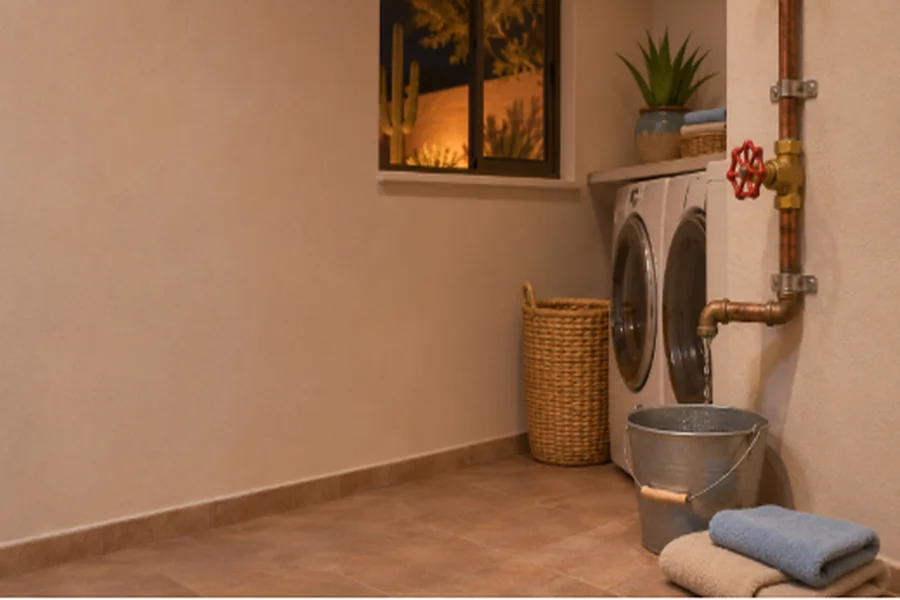
Of course, your pipes won’t wait until convenient hours to rupture. Toilets will back up and overflow at all times of the day, including late at night.
It’s beneficial to have an idea of your course of action. Who to call, and steps to take in the interim. All of this is useful information to know ahead of time.
You will want to mitigate the extent of any damage, know how much it will cost, and ensure any issues are properly remedied.
Situations Requiring Emergency Service
As mentioned above, there are many instances where you can turn off the water supply and wait to schedule service. For example, if there is a slow leak from the tap into the sink below.
However, you will want to seek emergency service if:
- There is a significant amount of water leaking from a pipe
- Foul-smelling sewage is rising from any drain
- Continued overflow from the toilet, including from other fixtures
- Significant amounts of water leaking from your water heater onto the floor, onto other items
As a general rule, ask yourself whether the flow can be cut off and the surrounding areas remain habitable.
In case of suspected natural gas leak, evacuate the home and call 911 and your provider from outside.
Set Up an After-Hours Plumbing Service Plan
Ideally, you will know who to call at a moment’s notice, regardless of time of day.
When looking for a company to provide 24-hour emergency plumbing services in Phoenix, confirm what services they will perform at these times.
As outlined above, have readily available information on hand, such as:
- Plumber to call (and an alternate)
- Where all shut-off valves are located
- Instructions to operate any relevant appliances
- Name and policy number of insurance provider
- Any information regarding gaining access
Be sure the rest of your household members know the location of shut-off valves, in case only they are home.
You may wish to inquire about membership programs with the company, to see if any benefits apply in case of an emergency. Read the conditions of this carefully, as it may only apply to regular scheduled maintenance.
As you can imagine, it would be desirable to limit the extent of any damage to your property. According to LexisNexis Risk Solutions, there was a 63.16% increase in severity of non-weather-related water insurance claims in 2025 versus 2019. Note this refers to the dollar value paid out per claim and does not indicate an increase in the number of incidents. This is a U.S. national finding, not a Phoenix-specific estimate.
Questions to Ask an Emergency Plumber Before Booking
As discussed above, 24-hour availability may differ as to dispatching an employee to your location, diagnosing the issue, and completing repairs.
You will want to know if there is live personnel available at night to receive your calls. You can also ask about expected timeframes to receive service in your area.
As with any service, ask how they calculate pricing, for example, a call-out fee, premium rates, minimum number of hours, parts, additional visits, and so on. You may wish to receive quotes for any other recommended work, once any emergencies have been addressed.
If only able to complete temporary measures, ask about subsequent visits to complete repairs.
As always, verify the company is duly licensed to operate via the Arizona Registrar of Contractors website. Request details of the proposed repairs.
Steps to Take During a Plumbing Emergency
Naturally, you will want to act to minimize further damage and ensure a safe environment.
Locate an appropriate shut-off valve to stop water from continuing to flow, preferably as close as possible to the source. According to Phoenix Water Services, homeowners should operate the shut-off closest to the point of entry to the residence. Should this prove unsuccessful, they recommend contacting the City to operate the valve located on the water meter.
Ensure no one walks through any pools of water leading to electrical sources. Avoid contacting these themselves. Similarly, prevent family members from contacting areas contaminated with sewage. Refrain from flushing toilets or using other connected drains.
Photograph any obvious areas of concern and relocate any unaffected property as appropriate. As always, don’t compromise safety to complete these tasks. Be sure to advise the plumber of any valves closed.
Note the distinction between your private lines versus the public network. The City can be reached 24 hours a day to report breaks, spills, and other issues affecting their lines at 602-261-8000. Plumbing problems within your home generally require a private licensed plumber, but the City may be required to operate valves if yours are defective.
Review the work completed
You should request information regarding what caused the issue. For example, a joint may have let go, a blockage built up, pipe deteriorated, and so on. This will be informative as to any further measures required.
Of course, the technician may cap off the broken pipe or remove a blockage, allowing normal function of your home. Ensure you know what will be required going forward, associated pricing, and schedule any follow-up work.
Retain documentation relating to this visit. You should take reasonable measures to prevent additional damage to your home if applicable and notify your insurance carrier. Inquire as to what information would be useful to provide.
As discussed, there are various permutations as to whether your policy will respond to water related claims. According to the NAIC, water resulting from “sudden and accidental” discharge from plumbing systems may be covered, subject to the terms of your policy. Coverage for sewer-backup damage may require a separate policy endorsement.
As the plumber completes their visit, ask if any restrictions apply to using various fixtures, if all valves should be reopened, and anything else to be mindful of.
Minimize Future Plumbing Emergencies
As a matter of routine, inspect areas accessible to you to identify any signs of moisture or discolored areas. Note any continuous flow from the toilet tank. You can also check your water meter reading and compare after two hours according to the EPA, ensuring no appliances or fixtures are operated during this period.
As recommended by Phoenix Water Services, you should also inspect exterior areas, in particular around sprinkler shut-offs, vaults, and backflow preventers, for excessive moisture.
Avoid dumping fats and oils down your sink. According to Phoenix Water Services, these along with infiltrating roots can clog sewer lines. If you have ongoing issues with slow draining, consider having these investigated.
Depending on the age of your pipes or previous problems, you may wish to speak with a professional about conducting any inspections. Of course, you can then decide whether any recommendations are appropriate at that time.
Summary
As outlined above, there is useful information to be aware of should you experience a plumbing emergency. Be sure to have this at hand, familiarize others with key shut-offs, and establish a relationship with a trusted provider.