
Five Snowplow Hydraulic Problems That Show Up in the Middle of a Storm
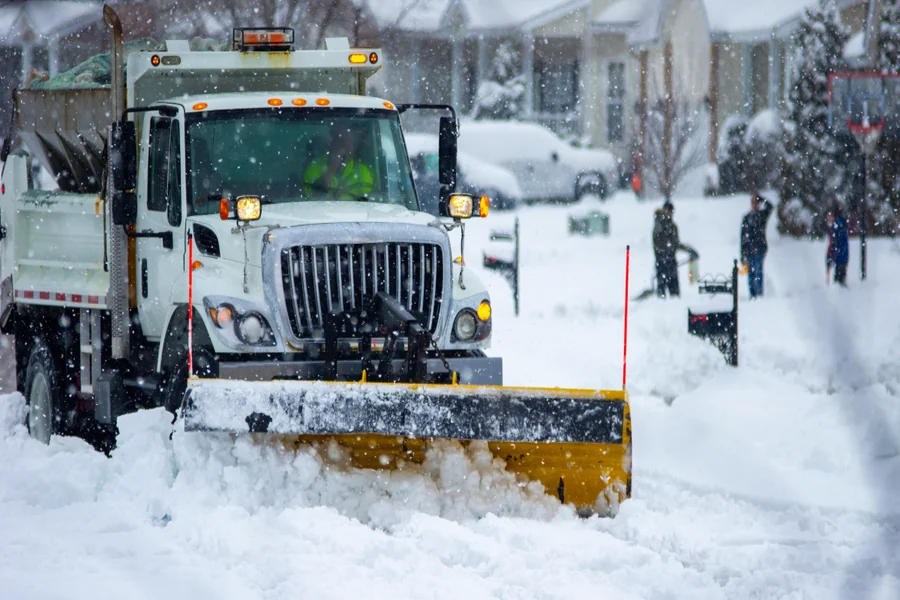
A big February storm at three in the morning is the test for any snowplow. The wet snow builds up quicker than the salt trucks can keep up with it. Maybe everything seemed okay during a dry run in the shop yard. Once your blade hits a thick pile on the highway, tiny hydraulic problems become big trouble. Across central and eastern PA, freezing slush, steep grades, and nonstop angling push seals, valves, and hoses to their limits. Staying ahead of those failures starts with reliable hydraulic cylinder maintenance in Pennsylvania before the temperature drops and the radar turns dark blue.
1. Sluggish Blade Lift from Thickened or Water-Contaminated Fluid
When temperatures drop into the teens, hydraulic oil gets thicker. This makes it harder for the oil to move through the valves. Moisture from condensation can collect in the tank. When that water freezes, it can block the lines. This blockage can stop the blade from lifting. Make it almost impossible to move. State crews have to manage large temperature swings when moisture buildup inside tank breathers freezes. Heating the system by gently cycling the plow before taking on deep drifts helps, but discolored or cloudy oil means it’s time to drain and flush the system.
2. Internal Seal Bypass and Sudden Blade Drift
If the blade lifts and then almost immediately creeps back onto the pavement, it’s a sign the hydraulic system isn’t holding pressure. Seals are worn, or the cylinder has been scratched. This causes oil to slip past the seals. This happens over the course of several hours and can be hard to detect. This is usually noticed after a big snow event when crews are out scraping the roads again. After a system starts to bypass, fluid can’t restore the system and provide holding pressure. It’s best to have the hydraulic cylinder repaired.
3. Road Salt Pitting and Bent Cylinder Rods
Pennsylvania roads get hit hard with rock salt and liquid brine during the winter. That mix of chemicals sprays everywhere. Coats every bit of your plow’s chrome rods. After just a few snowstorms, tiny pits start to form in the steel. These pits act like sandpaper, tearing up the wiper seals and rod seals each time the cylinder moves back. Now, throw in a hidden manhole cover or a frozen curb buried under a pile of snow. That can twist the rod just a little. When that happens, the rod can get stuck inside the gland nut while you’re still on the job. Following practical cold-weather equipment safety precautions matters whenever you step out into traffic to check a jammed angle ram, because a trapped hydraulic load can shift unexpectedly once tension releases.
4. Split Hoses and Blown Coupler O-Rings Under Shock Loads
You’ve got “wear points” in your rubber hoses, stiff and ready to split, especially if you’re up against frozen banks. And a pressure spike hits. This can occur if crews are doing hot connections to swap out equipment. It can happen if some other system component doesn’t hold the pressure. Plus, a brittle O-ring or worn seal on one of your cylinders can send oil spraying all over the cab. Consistent hydraulic cylinder maintenance in Pennsylvania includes inspecting hose routing, checking fittings for seepage, and replacing hardened seals long before a midnight blowout sidelines your truck.
5. Pump Cavitation and Spongy Controls from Air in the Lines
If your hydraulic pump starts making a high-pitched whining sound and the blade jerks instead of moving smoothly, air has likely entered the suction side of the system. Low fluid levels from a slow weep at a gland seal, a clogged suction strainer, or a loose intake fitting will starve the pump and cause cavitation. Those collapsing air bubbles do more than make the controls feel spongy—they pit internal pump gears and overheat the remaining oil. Checking the dipstick when the cylinders are fully retracted gives an accurate reading so you do not overfill the tank or run it dry during an overnight shift.