
Hunting in National Preserves vs National Parks: Key Rules
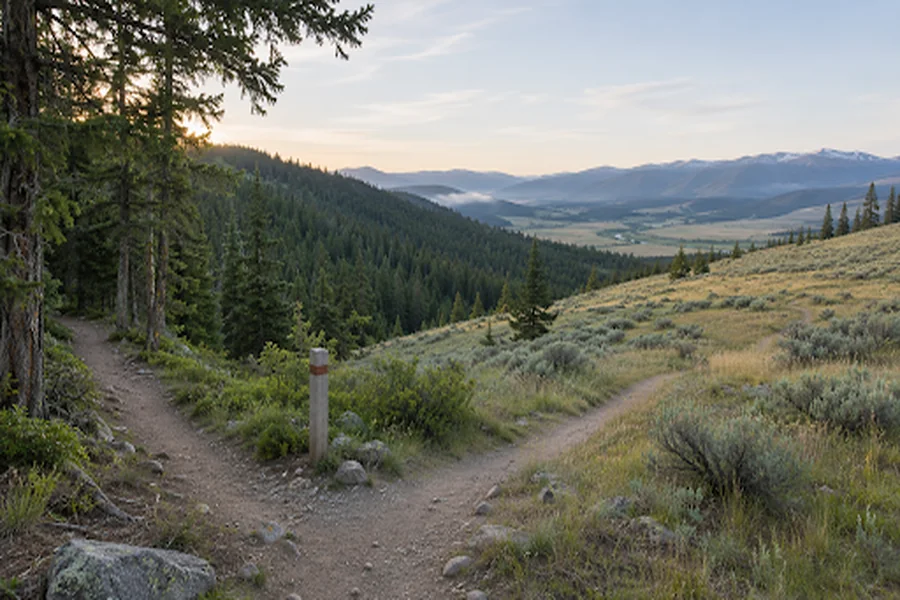
You can have both a national preserve and a national park located adjacent to each other, or with the same name. But once you cross the line, it may become legal or illegal to hunt.
When planning a hunt in national preserves or parks, check more than the hunting dates. Confirm the land designation, huntable species and any extra rules before leaving.
Let’s break it down.
What you will learn from this article:
- Difference between a National Park and Preserve
- Knowing where you’re hunting – National Park/Preserve
- Additional licences and state-by-state considerations
- Alaska – additional considerations
- Putting together a pre-trip checklist
- Summary
Difference between a National Park and Preserve
All national parks and national preserves are overseen by the US National Park Service, and are meant to preserve wildlife, landscapes and resources of the United States. However, this does not extend to all forms of hunting.
Broadly speaking, they differ as follows:
- National parks: Do not generally allow for sport hunting, although some NPS lands do allow for hunting under a specific statute/law. Note that having a valid state-issued licence is not sufficient on its own.
- National preserves: Hunting is authorised by Congress, although regulations vary and depend on the individual preserve, with some offering set hunting seasons, and others limiting hunting to certain locations, prey types and methods.
While national preserves may permit hunting, this is not an automatic right to hunt there, nor will a National Park automatically allow for e.g. Native American subsistence/treaty hunting.
Knowing the status of the land you plan to hunt, and reviewing its regulations, is a good first step to ensuring you can legally hunt in that area.
Knowing where you’re hunting – National Park/Preserve
An example of where this comes into play is Denali, which has a National Park and Preserve area.
As stated by NPS, these two areas differ in relation to hunting as:
- All National Park (and Park Addition) areas are closed to sport hunting;
- The National Preserve areas are open to sport hunting, subject to any applicable regulations; and,
- Subsistence hunting may also be open on select National Park and/or Preserve lands, again, subject to regulations.
Therefore, you should determine which portion of Denali you are hunting, prior to assembling your kit for the hunt, and ensure you can legally access that location.
You can view the boundaries on NPS’ map, which will also highlight other key features such as privately-owned land, park closures, etc. Ensure you download a copy in case you do not have cell reception while hunting.
Once the hunting rules are clear, compare supplies from a retailer such as CheapAmmo. You can visit their website or similar, making sure you comply with the regulations of the applicable State(s) and NPS lands.
Crossing from a preserve into a national park does not make sport hunting lawful just because the surrounding state’s hunting season is open. Check the boundary before hunting.
Additional licences and state-by-state considerations
At Big Thicket National Preserve in Texas, hunters need a Texas licence and a separate free NPS permit. Each permit covers one designated hunting area, and local rules restrict species and methods. NPS reports 1,545 permits issued for the 2025/26 hunting season.
Note that, again, this number of permits issued does not translate to the number of animals hunted, let alone, successful hunts, for that period.
From 2026/27, the use of blinds and tree stands will not be permitted, along with additional regulation of ammunition, orange clothing, and a requirement to return a harvest report to NPS by April 1, even if no animals were taken. So, as above, simply having a valid Texas hunting licence will not be sufficient here, as you must additionally comply with the NPS regulations.
In comparison, at the Mojave National Preserve, California, hunting will be subject to California’s general hunting regulations, with the added caveat that there are certain locations within the preserve where the discharge of a firearm is not permitted. Hunters must use non-lead ammunition, in line with California’s rules, across the state, including Mojave NP.
Check the hunting rules before selecting equipment. NPS may allow lawful firearm possession under applicable state and federal laws, but use or discharge requires separate authorization and firearms are generally prohibited inside federal facilities.
Please do not confuse these, and the legality of carrying a firearm, with being able to hunt on NPS land, absent the requisite permissions discussed above, depending on the specific land and your circumstances.
Alaska – additional considerations
As mentioned above, hunting laws in Alaska are further governed by the Alaska National Interest Lands Conservation Act (“ANILCA”). Under this, there is a similar split between sport and subsistence hunting, in that:
- Sport hunting is permitted in Alaska National Preserve lands, subject to Federal and, if not inconsistent, State laws, but not permitted in Alaska’s National Parks and Monuments, pursuant to ANILCA; and,
- Subsistence hunting is available to certain eligible residents, on specific areas, in National Parks and/or Preserve, subject to applicable laws.
Clearly, there is a distinction between sport and subsistence hunting, and, depending on your status, and the lands, you may have an entitlement to hunt, whereas, a casual sport hunter may not, or vice versa.
An NPS final rule published on October 19, 2026, is scheduled to take effect on November 18, 2026. It removes restrictions from earlier rules, including 2024 limits on bear baiting. An October 28 correction retained the same effective date. Check the rules in force on your hunt date, including current state regulations and NPS closures.
Putting together a pre-trip checklist
Use the following checklist before your trip to confirm that hunting is legal and safe on your chosen NPS lands:
- Establish the relevant NPS land, and ensure you have the correct map, boundaries, etc, for the National Park/Preserve, or other land, that you wish to hunt.
- Ascertain whether, and, if so, the parameters under which, sport hunting is permitted, e.g., check the specific NPS unit website, and, Superintendent’s Compendium, for relevant information, including any closures, etc.
- Determine, with the help of your relevant State wildlife agency, and NPS, any rules, regulations, prey, bag limits, tags, methods, ammunition, etc, that will apply, and, ensure your kit, accordingly, meets those requirements.
- Determine, if applicable, whether there are any additional permits, hunting areas, passes, reporting obligations, etc, required, and, action these, if needed, prior to your hunt, and, keep a record, if required, of any harvest, etc, that you undertake, for subsequent reporting, etc, after the hunt, as applicable.
- Finally, check legal access routes, camping rules, weather risks and emergency contacts. Give other visitors plenty of space and pack out all spent casings and waste.
Before departing, recheck current NPS alerts and contact the ranger office about any unclear rule, closure or boundary.
Stay considerate of hikers and campers while hunting on shared public land. Keep a safe distance and leave the area clean.
Summary
National parks generally prohibit sport hunting, while national preserves may allow it under local rules. Confirm the boundary, hunting authorization, permits, equipment and current closures before travelling. These checks can help you avoid preventable violations in the field.