
How to Plan a Greece Trip That Balances Famous Sights, Quiet Places, and Local Experiences
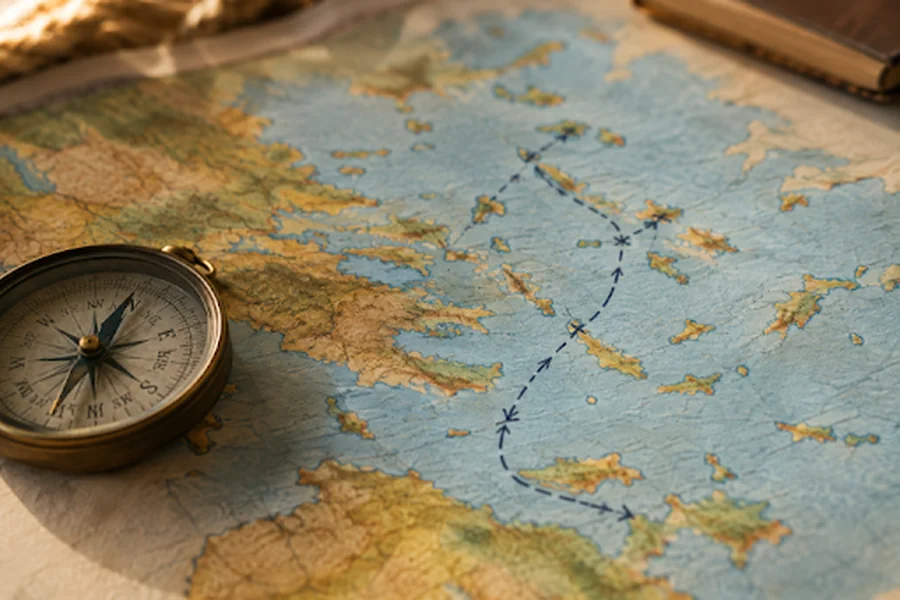
Greece rewards travelers who leave room for contrast. A well-planned trip can pair Athens museums and ancient landmarks with a small harbor, a mountain village lunch, or an unhurried afternoon by the sea. Rather than racing through a checklist of islands, start by deciding how you want the journey to feel. Carefully designed Greece tour packages can be useful for travelers who want local guidance while still building in time for independent discovery.
The best Greece itinerary is rarely the one with the most stops. It is the one that gives each destination enough time to feel distinct. A few nights in a lively city, a meaningful mainland detour, and a stay on one well-chosen island can create a far richer experience than daily hotel changes and long transfer days.
Why Balance Matters on a Greece Trip
Greece offers archaeology, city dining, swimming, hiking, sailing, and village stays. Trying to fit everything into a short trip can leave you rushing between check-ins, ferries, and packed bags. A balanced itinerary leaves room for memorable moments: a long taverna meal, a chat with a shop owner, or an unplanned evening walk.
For first-time visitors, two or three bases are usually enough: one for urban culture, another for mainland scenery or history, and, if the season and route allow, one for island life. This adds variety without making every other day a travel day.
Choose Your Travel Style Before Choosing Destinations
Popular images can inspire a trip to Greece, but personal priorities should shape the route. Begin with the experience you want, then select destinations that make that experience easy.
- History-focused travelers: Build around Athens, Delphi, Olympia, Mycenae, or Epidaurus, with enough time to explore sites without rushing between them.
- Beach-focused travelers: Choose one island area and stay long enough to enjoy more than the beach nearest your hotel.
- Food-focused travelers: Look for local markets, regional tavernas, wineries, olive-growing areas, and inland villages with strong culinary traditions.
- Active travelers: Prioritize places suited to walking, hiking, cycling, sailing, or sea kayaking.
- Slow-paced travelers: Choose fewer bases, book longer stays, and protect open afternoons.
Build a Practical Route
Map geography before booking hotels. Greece looks compact on a screen, but mountain roads, port transfers, and limited ferry connections can make short distances take much longer than expected. Grouping stops by region reduces backtracking and gives the trip a more natural rhythm.
- Choose your arrival and departure airports.
- Select one city or mainland cluster.
- Add one island group that connects sensibly with that route.
- Check flight and ferry schedules before confirming accommodations.
- Keep the final night close to your departure airport when possible.
Include a buffer day or at least a flexible half-day. Weather, sea conditions, and operational changes can affect marine travel, while a delayed connection can quickly disrupt a tightly planned itinerary.
Make Time for Mainland Greece
The mainland adds a different side of the country, with archaeological sites, regional cooking, mountain scenery, and historic towns. Athens deserves at least two nights for its major landmarks, museums, neighborhoods, and food scene. Beyond the capital, the Peloponnese combines coastal roads, historic settlements, and significant archaeological sites, making it especially rewarding for travelers who enjoy road trips.
Central Greece can suit visitors drawn to mountain landscapes and Delphi, while northern Greece offers another cultural and culinary perspective. These regions are not simply alternatives to the islands. They can provide a quieter pace and opportunities to spend money in smaller communities beyond the busiest waterfronts.
Choose Islands by Your Goals
Island choice should be both practical and aspirational. The Cyclades are a central Aegean island group, but even islands that appear close together may not have frequent direct connections. Consider the experience you want, then confirm the transport reality.
- For iconic scenery: Choose an island known for cliffside views, whitewashed villages, and memorable sunsets.
- For beach time: Look for varied coastlines, reliable swimming access, and accommodations near the water.
- For food and villages: Consider islands with inland settlements, farms, local producers, and traditional tavernas.
- For nightlife: Choose a larger resort center with late dining and bars, especially during the summer season.
- For quiet: Stay outside the main port or popular central village, and favor a longer visit over rapid island-hopping.
Pick the Right Time to Go
No single month suits every trip to Greece. Spring offers greener landscapes and cooler weather for walking and sightseeing. Early summer brings beach weather before peak crowds. High summer means long days and lively scenes, but popular spots can be hot and crowded.
In September and October, the sea may still be warm as the pace slows. Winter is better for Athens, museums, food, and mainland travel than island-hopping, as seasonal services and lodging may be limited.
Leave Space for Slow Travel
Free time is part of the itinerary, not an omission from it. Schedule an unscripted block every few days, especially after a transfer. This can become a beach afternoon, a cooking class, a spontaneous walk through a neighborhood, or a long lunch that turns into an evening.
For example, removing one island from a ten-day route may create two extra nights in a single place. That time can reveal the daily rhythm of a village, support local restaurants and small businesses, and make the trip feel less like a transit exercise.
Plan Transport Carefully
Let transport guide your route. Compare ferry times, ports, arrivals, and luggage logistics; on short trips, flying may beat a long ferry ride. Rental cars suit rural mainland areas and larger islands, but parking and narrow roads complicate travel in historic centers. Before booking, check your hotel’s distance from the airport, port, or bus station—a cheap room may require costly or inconvenient daily transfers.
Sample Greece Itinerary Ideas for 2026
Seven-Day First Visit
- Three nights in Athens.
- Four nights on one island.
- Best for a simple introduction to major sights and island downtime.
Ten-Day Balanced Trip
- Three nights in Athens.
- Three nights in a mainland region.
- Four nights on one island.
- Best for travelers seeking history, scenery, food, and swimming.
Fourteen-Day Regional Trip
- Three nights in Athens.
- Four nights in the Peloponnese or another mainland region.
- Five nights on one larger island.
- Two flexible nights near the departure point.
Common Mistakes to Avoid
- Trying to visit too many islands in one week.
- Assuming ferry routes operate daily year-round.
- Booking nonrefundable hotels before checking major connections.
- Spending every night in the most famous destinations.
- Ignoring heat, wind, terrain, or seasonal closures.
- Scheduling a demanding transfer immediately after a late arrival.
- Leaving no room for meals, rest, or unexpected discoveries.
Final Planning Checklist
Match every stop to your priorities, group destinations by region, and limit hotel changes. Confirm transport before booking activities, review seasonal conditions, and keep the final day uncomplicated. Greece is most memorable when famous sights are balanced with ordinary local pleasures: coffee in a neighborhood square, a swim before dinner, and enough time to let each place reveal its character.