
How the HONOR Magic9 Pro Max Captures Stunning Details in the Dark?
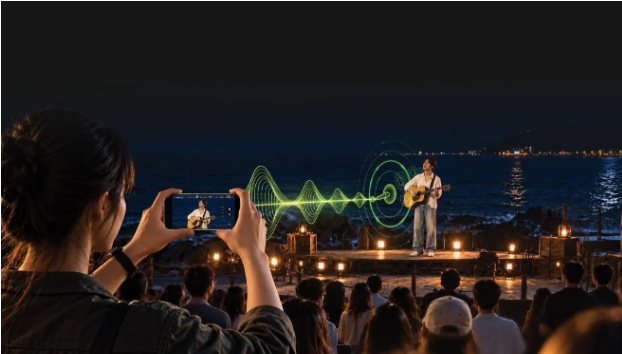
Low-light photography depends on one simple goal: capture as much clean light as possible while keeping blur and noise under control. The HONOR Magic9 Pro Max is built around that challenge. Its 200MP Ultra Night Main Camera combines a large 1/1.28-inch sensor, a bright f/1.57 aperture, and 3-degree gimbal-level stabilisation to preserve fine detail after sunset. HONOR also adds the AI Imaging Chip H1 to improve signal processing, helping the camera handle shadows, highlights, and colour more effectively in dim scenes. Together, these technologies allow handheld night shots to look sharper, brighter, and more natural. Instead of relying on heavy overprocessing, the system is designed to pull detail out of dark environments with greater precision and better tonal balance.
Inside the 200MP Ultra Night Main Camera
1/1.28-Inch Sensor and f/1.57 Aperture: Capturing More Light
The most important camera specifications for night photography are light intake and sensor size, and this setup is strong on both. The HONOR Magic9 Pro Max’s 200MP Ultra Night Main Camera uses a 1/1.28-inch sensor with an f/1.57 aperture and a 24mm equivalent focal length. That combination allows the camera to collect more light than smaller, slower systems, which directly improves exposure quality in dark environments. More incoming light means the camera can preserve texture with less aggressive brightening, reducing the smeared look often seen in low-light images. The large sensor also helps with depth and tonal separation, so highlights, midtones, and shadows appear more distinct. In practical terms, this means cleaner night street scenes, better subject detail, and more natural colour.
HONOR AI Imaging Chip H1: Enhancing Low-Light Image Processing
Gathering light is only half the job. The image must also be processed intelligently, especially in scenes with mixed lighting and deep shadows. The HONOR AI Imaging Chip H1 helps refine low-light output by improving signal handling and reducing noise without stripping away texture. According to the provided imaging information, the system supports a 3.2dB signal-to-noise ratio improvement and up to 13.2 EV dynamic range, which helps the camera retain more detail across bright and dark areas in the same frame. This matters when shooting neon signs, storefronts, traffic lights, or dim interiors with bright light sources. Instead of crushing shadows or blowing out highlights, the imaging pipeline works to keep transitions smoother, colours more controlled, and fine details more visible.
How Does Advanced Stabilisation Improve Night Photos?
3-Degree Gimbal-Level Stabilisation for Sharper Images
The 3-degree gimbal-level stabilisation built into the main camera is designed to counter hand shake more effectively during low-light shooting. At night, tiny movements become more visible because the camera needs a longer moment to collect enough light. By stabilising the sensor and optical system more aggressively, the camera can preserve finer detail in handheld shots. This is especially useful for street scenes, evening portraits, and indoor photos where using a flash would spoil the atmosphere. Sharper outlines, clearer textures, and less blur around light sources are the main benefits. The result is a steadier foundation for both single-frame captures and multi-frame night processing.
CIPA 8.0 Rating: Maintaining Clarity in Handheld Photography
The industry-leading CIPA 8.0 rating adds another layer of confidence for handheld night photography. In practical terms, it signals strong stabilisation performance under recognized testing standards, which matters when you are shooting in dim conditions without support. A higher level of stabilisation helps the camera hold clarity while reducing the chance of motion blur from natural hand movement. That can make a visible difference when photographing illuminated buildings, nighttime food shots, or people in softly lit settings. Instead of rushing the capture and risking softness, users can rely on steadier framing and cleaner detail. This supports more consistent results across a wider range of low-light scenes.
Practical Tips for Taking Better Night Photos
5 Shooting Tips for Clearer and More Detailed Night Photos
First, hold the phone with both hands and brace your elbows against your body to reduce shake. This gives the stabilisation system a better starting point. Second, tap on your subject before shooting so exposure and focus are placed where detail matters most. In dark scenes, automatic metering can drift toward bright lamps instead of the actual subject. Third, use nearby light creatively. Stand your subject near shop windows, signs, or street lighting to add definition without making the image look harsh. Fourth, avoid digital zoom in very dark scenes unless you need the framing. Moving closer usually preserves more detail and lowers the chance of visible noise. Fifth, shoot two or three versions of the same scene from the same position. Small variations in hand movement or subject timing can change the final result, and a second frame is often the sharpest one. These habits improve clarity, preserve texture, and help the camera produce more balanced night images with less blur, stronger contrast, and better overall detail.
Choosing the Right Camera Mode for Different Night Scenes
Use Night mode when the scene is static and very dark, such as city skylines, architecture, dim streets, or decorative lighting. It typically allows the camera to gather and combine more light information for a brighter, cleaner final image. For portraits at night, use the standard photo mode if your subject is moving slightly, because faster capture can keep faces sharper. If the lighting is attractive and stable, portrait-focused shooting can also help separate the subject from the background more clearly. For scenes with bright signs or strong contrast, preview the image and lower exposure slightly if highlights look too intense. This often keeps illuminated areas from losing detail. Use the ultra-wide camera when you want to include more of the environment, such as plazas, interiors, or dramatic skylines, but keep the main subject near available light for the best quality. If you are filming after dark, ARRI CINEMA mode can be useful for more deliberate control over exposure and colour. Matching the mode to the scene helps preserve detail, control blur, and produce more natural-looking night results.

Conclusion
The HONOR Magic9 Pro Max captures strong night photos because its camera system addresses the main low-light challenges directly. The 200MP Ultra Night Main Camera uses a large 1/1.28-inch sensor and bright f/1.57 aperture to gather more light, while the HONOR AI Imaging Chip H1 improves noise control, tonal balance, and highlight handling. Its 3-degree gimbal-level stabilisation and industry-leading CIPA 8.0 rating further support sharper handheld results in dark environments. Together, these features help preserve texture, colour, and clarity when light is limited. Add good shooting habits and the right mode selection, and the camera can deliver night images that look detailed, controlled, and natural rather than overly processed or artificially brightened.