
Why 2-Person Desks Are Great for Workspaces Where People Work Together
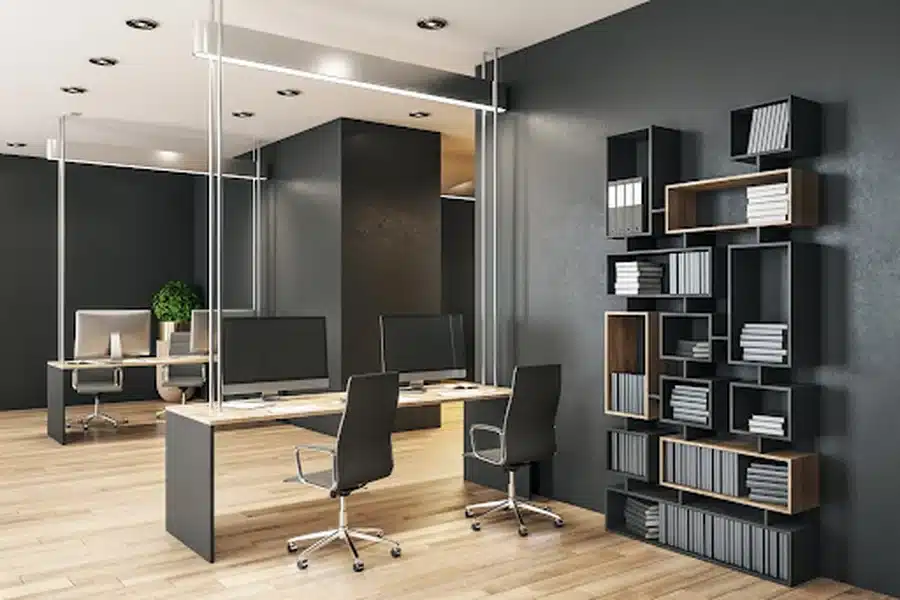
Did you know that working together is a key part of being productive and coming up with new ideas at work? In tech companies, design studios, and co-working spaces, it’s important to encourage smooth communication and teamwork. A 2 person desk can be the ideal way to do this. Let’s look at why this piece of furniture is necessary for places where people work together.
Improves communication and working together
The most important thing about any shared workplace is that team members can talk to each other clearly. Two-person desks make it easier for coworkers to talk to each other in person, discuss ideas, come up with solutions, and give feedback right away. This closeness helps people get to know each other better and fosters natural discussions that might not happen in more private spaces like cubicles or individual offices.
When teams are working on the same project, having a shared area means they don’t have to keep moving around to talk to each other. Instead, you may answer enquiries right away, go over documents together, and make decisions right away. This makes things run more smoothly and cuts down on the delays that can happen when people talk to each other online or have meetings.
Helps make good use of space
2-person desks are great for making the most of small office spaces. Pairing two employees together at a shared workstation instead of giving each one their own desk takes up less space while yet giving both people plenty of room to work. This is especially useful in open-plan offices or co-working spaces where making the most of available space is quite important.
You can also change the configuration of these desks. The team can put them next to each other, face to face, or in modular groups, depending on what they require and how big the room is. This flexibility makes it easy to set up workplaces for different projects or team sizes without having to spend a lot of money on new equipment.It doesn’t cost much.
If you’re on a limited budget, two-person desks can be a good way for expanding enterprises or startups to save money. Buying one shared desk setup for two employees usually costs less than buying two individual desks. Additionally, sharing things like lights, storage units, and power outlets can help save costs even more.
Over time, these savings can pile up, especially in organisations with a lot of staff. Companies can put more money into staff training, technology, or other resources that help them be more productive by moving money that would normally go to individual workstations.
Promotes Bonding with the team
Being close to one other can help coworkers get along better with each other. When employees work together, they naturally get to know each other’s talents, working styles, and ways of communicating. Getting to know each other better can help the team work together better and boost morale.
In order to work together, you need to be able to create trust and a good relationship. Shared desks let people feel like they are part of a team, which makes it easier for them to help each other, share work, and celebrate their triumphs. It’s impossible to feel this connected when you operate in a more isolated or divided space.
Using Shared Resources More Effectively
Shared workstations often come with built-in features like shared drawers, shelves, cable management systems, or power connectors. Not only do these features help with organisation, they also make it easier to share resources. Teams can use shared resources instead of buying extra office supplies or computing equipment for each desk. This cuts down on waste and clutter.
Also, shared storage and equipment help employees stay organised and get more done. Having access to shared technologies makes it easier to design offices and manage resources in a way that is better for the environment.
In conclusion, we can say that the design of physical workspaces should represent and support the idea that working together is important for corporate success. Two-person desks are a strategic tool that improves communication, saves space, cuts expenses, and makes teams work better together.