
A Parent’s Guide to Getting Started With Online Elementary School
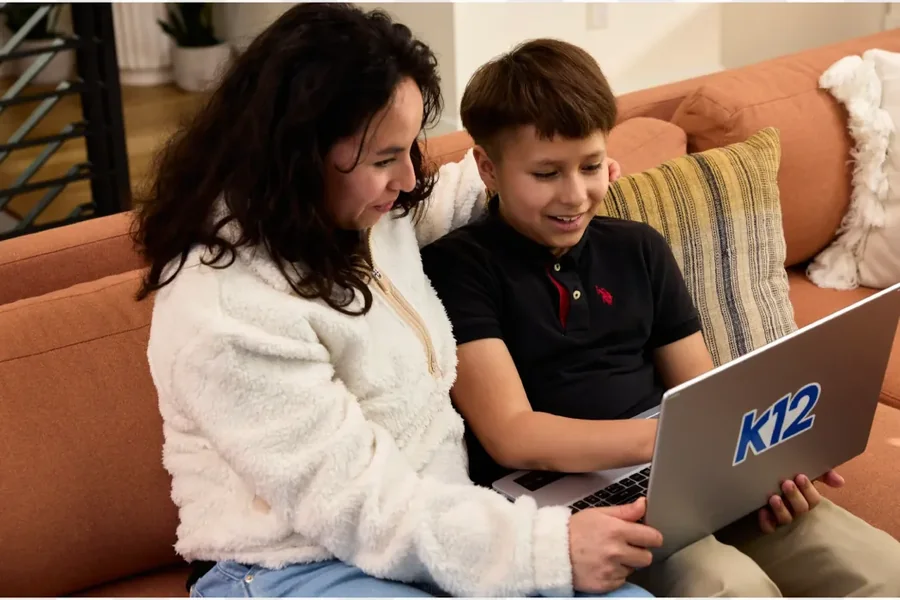
Starting online elementary school involves a few unfamiliar routines: logging into lessons, organizing materials, and helping a young child know what comes next. Parents do not need to recreate a traditional classroom at home. A comfortable workspace and a clear plan for the first weeks are a useful starting point.
Before buying supplies or filling the calendar, learn how the chosen program works. Then build a routine around the child’s lessons, the family’s schedule, and the support available from teachers.
Get familiar with the program
Ask the school to explain a typical day for the child’s grade. Find out which activities happen live, which can be completed at another time, and how students receive feedback.
When exploring an accredited online elementary school, parents can ask for accreditation details alongside sample lessons and grade-level learning goals. Those materials help turn a general description into a clearer picture of daily schoolwork.
Request an orientation to the learning platform. Practice finding the schedule, opening an assignment, and locating teacher messages before the first full day. Keep contact details handy so a login question does not interrupt the whole morning.
Clarify the adult’s role
Young children may need help reading directions, finding materials, or moving between activities. Ask the school what support it expects from an adult at home and which tasks teachers handle.
Discuss the practical details with everyone who will help. One adult might prepare supplies while another is available for the first login. If caregivers share responsibilities, use the same calendar and message location.
The role can change as the child becomes familiar with the routine. A kindergartner may need an adult nearby for transitions, while an older elementary student may be ready to open the day’s assignment list independently. Let teachers help identify suitable next steps.
Create a simple learning space
Choose a place where the child can sit comfortably and use the required device. A shared table can work; a separate room is not essential. Keep frequently used supplies in a portable bin if the space serves other purposes after school.
Check the camera, microphone, internet connection, and any software the school requires. Ask about headphones before purchasing them, since classroom activities and device requirements can vary.
Keep books, paper, pencils, and art materials within reach. Leave a little space for drawing or hands-on work beside the computer. Store login details where the helping adult can find them without displaying them during a video lesson.
Build a predictable daily rhythm
Start with scheduled lessons and other fixed commitments. Add time for meals, breaks, reading, and assignments that happen independently.
A short visual plan can help a young child follow the day. Use a few simple labels or pictures: get ready, meet the teacher, work on an activity, take a break. The plan should be easy to understand rather than detailed enough to fill a wall.
Prepare for the next day together. Check the calendar and set out any materials needed for a project. At the end of the school period, have a clear stopping routine, such as saving work and putting supplies away.
Include learning away from the screen
Follow teacher directions for offline activities and ask what materials will be useful in the coming week. Reading physical books, drawing, building, and writing by hand can all have a place in the routine.
Everyday activities also offer opportunities to talk about ideas from class. A child might sort objects by shape, describe the weather, or retell a story during lunch. Keep these moments conversational instead of turning every activity into another assignment.
Build in movement and opportunities to go outside. When a lesson requires a longer stretch at the computer, ask the teacher how breaks fit into that session. Use the child’s responses to help adjust the home routine.
Stay connected with the teacher
Learn where feedback appears and how parents can ask questions. Check messages regularly, and encourage the child to share what was interesting or difficult that day.
If an assignment is confusing, describe the specific point where the child needs help. A note about the instructions or an example of the child’s attempt gives the teacher something concrete to respond to.
Notice progress beyond scores, too. A child may begin asking questions, reading aloud with more confidence, or finding materials without reminders. Share those observations during teacher conversations and ask what to practice next.
Make room for friendships and interests
Ask about school activities, class conversations, and ways new students get acquainted. Add opportunities that suit the child’s interests and energy.
Keep familiar connections as well, whether through neighborhood play, sports, library activities, or visits with friends. A manageable combination is easier to sustain than a crowded calendar.
Review the first few weeks
Choose a regular time to look back with the child. Ask what they enjoyed, what felt confusing, and what would make tomorrow easier.
Adjust one or two things at a time, such as where supplies are stored or when independent work happens. With teacher input and a predictable routine, the family can keep building on what works.