
A Practical Guide to Modern Family Dentistry and Preventative Oral Health
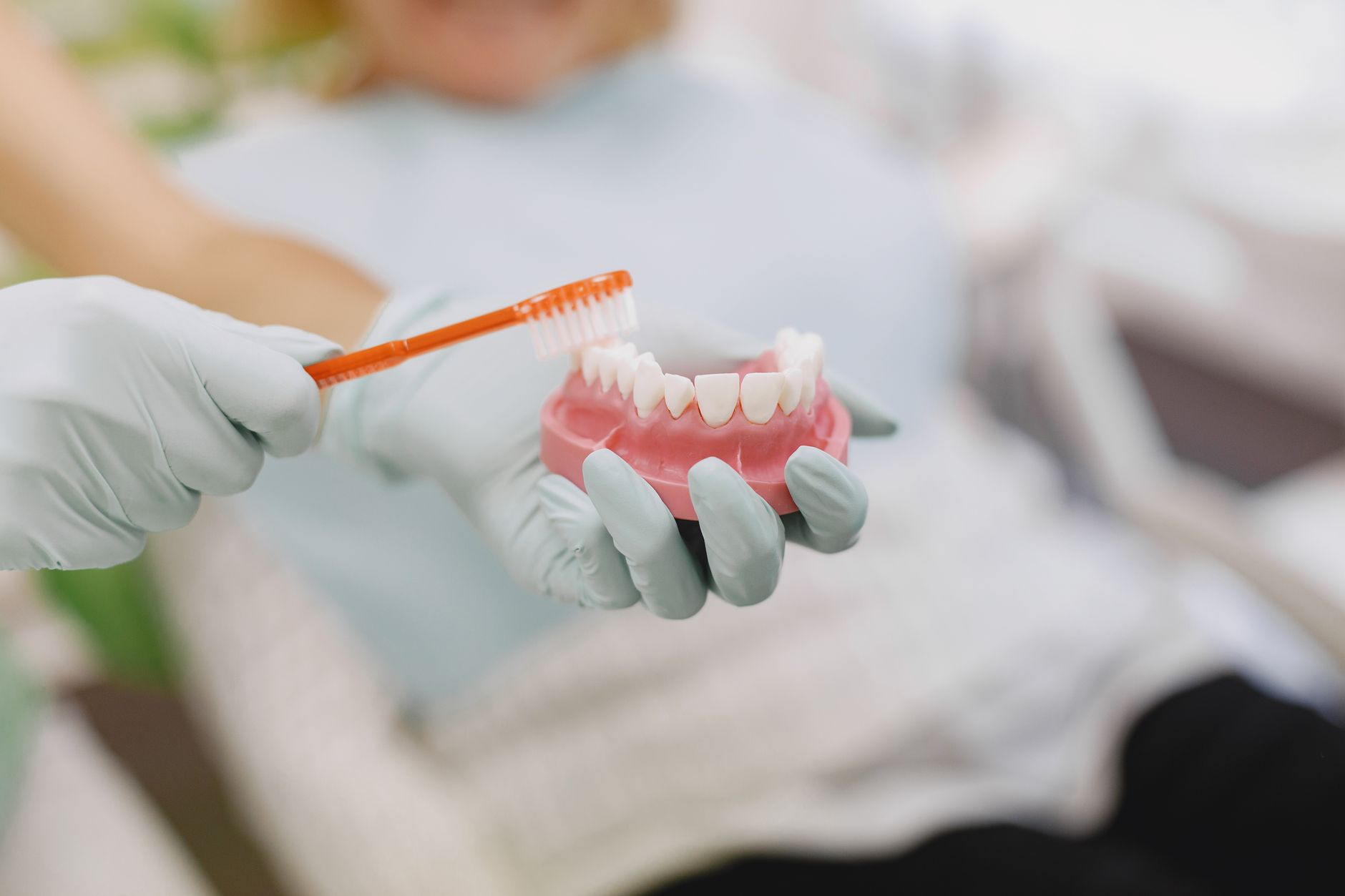
Maintaining good oral health is one of the most effective ways to safeguard your overall well-being, yet it remains one of the most frequently overlooked aspects of daily healthcare. Dental issues like tooth decay and gum disease rarely happen overnight. They build quietly over months, often without obvious symptoms, until pain or structural damage forces a sudden visit to the dental clinic.
Beyond the immediate discomfort of a toothache, poor oral hygiene affects your systemic health. Research increasingly links untreated periodontitis and chronic oral inflammation to broader cardiovascular issues, systemic inflammation, and complications in diabetes management. Taking a proactive approach to dental care does not just protect your smile—it protects your whole body, saves time, and prevents costly restorative treatments later on.
The Pillars of Effective Preventive Dental Care
Preventive dentistry is the foundation of long-term oral hygiene. While brushing twice a day is standard advice, the technique and consistency behind your daily routine dictate its actual success.
Mastering Daily Plaque Control
Plaque is a soft, sticky film of bacteria that constantly forms on your teeth. When sugars from food interact with this bacteria, acids are produced that attack enamel, eventually causing cavities.
- Brushing Technique: Brush for a full two minutes twice daily using a soft-bristled brush. Angles matter; hold the brush at a 45-degree angle toward the gum line to sweep away trapped debris without receding your gums.
- Flossing Everyday: Brushing cleans only about 60% of the tooth surface. Daily flossing removes hidden plaque and food particles from between the teeth where toothbrush bristles cannot reach.
- Targeted Rinse: Incorporating an alcohol-free fluoride or antiseptic mouthwash adds an extra layer of defense against bacterial accumulation and strengthens enamel.
Professional Cleanings and Routine Screenings
Even with flawless brushing and flossing, plaque eventually hardens into tartar (calculus). Tartar cannot be removed with a standard toothbrush and requires specialized instruments used during professional cleanings. Regular dental checkups every six months allow your dental team to scale away hardened tartar, evaluate gum depth, and catch early signs of decay through low-radiation digital X-rays before minor issues become major complications.
Dental Care Across Different Life Stages
Oral health needs evolve significantly as you age. A family-focused approach to dentistry ensures that every family member gets tailored care suited to their specific stage of life.
Pediatric Dentistry: Building Lifelong Habits
Early experiences shape how children view healthcare for the rest of their lives. Pediatric dental visits focus on habit-building, monitoring jaw development, and protecting young enamel. Early application of dental sealants—a thin, protective coating applied to the chewing surfaces of back teeth—can reduce the risk of cavities in molars by up to 80%.
Adult and Senior Dental Wellness
As adults age, natural wear, existing restorations, and life changes alter oral health dynamics. Gum recession can expose sensitive root surfaces, making teeth more susceptible to decay. Furthermore, hundreds of common prescription medications cause dry mouth (xerostomia). Because saliva plays a crucial role in neutralizing mouth acids and washing away food particles, reduced saliva flow significantly increases the risk of rapid cavity development.
Whether you need routine maintenance, cosmetic enhancements, or specialized restorative procedures, finding a reliable dentist in tappahannock va ensures you receive personal, comprehensive care tailored to your family's unique health profile.
Common Dental Restorations and Modern Treatments
When dental damage or decay occurs, modern dentistry offers conservative, durable, and natural-looking solutions to restore both function and aesthetics.
- Composite Fillings: Modern tooth-colored composite resins bond directly to the tooth structure, requiring less natural enamel removal than traditional amalgam fillings while blending seamlessly with your natural tooth shade.
- Dental Crowns: When a tooth is severely cracked, worn, or weakened by extensive decay, a custom-fitted ceramic crown acts as a protective cap, restoring the tooth's shape, strength, and appearance.
- Dental Implants: For missing teeth, implants represent the gold standard in replacement therapy. By fusing directly with the jawbone, implants prevent bone loss and provide a permanent anchor for crowns or bridges without relying on adjacent teeth for support.
Nutrition and Its Impact on Oral Health
What you eat directly influences the environment inside your mouth. Bacteria thrive on simple carbohydrates and refined sugars, producing acids that erode enamel for up to 20 minutes after eating.
To build stronger teeth and healthier gums, focus on a diet rich in essential nutrients:
- Calcium and Phosphorus: Found in dairy, leafy greens, almonds, and fish, these minerals actively remineralize enamel and strengthen the underlying jawbone.
- Vitamin C: Essential for collagen production, Vitamin C keeps gum tissue strong and resilient against infection.
- Water: Hydration encourages steady saliva production. Drinking water throughout the day, especially after meals, helps rinse away loose food debris and neutralizes harmful acids naturally.
Taking Charge of Your Oral Health
Achieving a healthy, functional smile does not require complex routines, but it does demand consistency and professional oversight. By pairing diligent home care with routine professional dental visits, you protect your teeth from preventable decay, safeguard your systemic health, and maintain a bright smile for decades to come. Take the time to evaluate your current habits, address any lingering discomfort early, and schedule your next routine dental assessment to keep your family's health on track.