
Before You Book A Heritage Trip Around Your DNA Ancestry Results
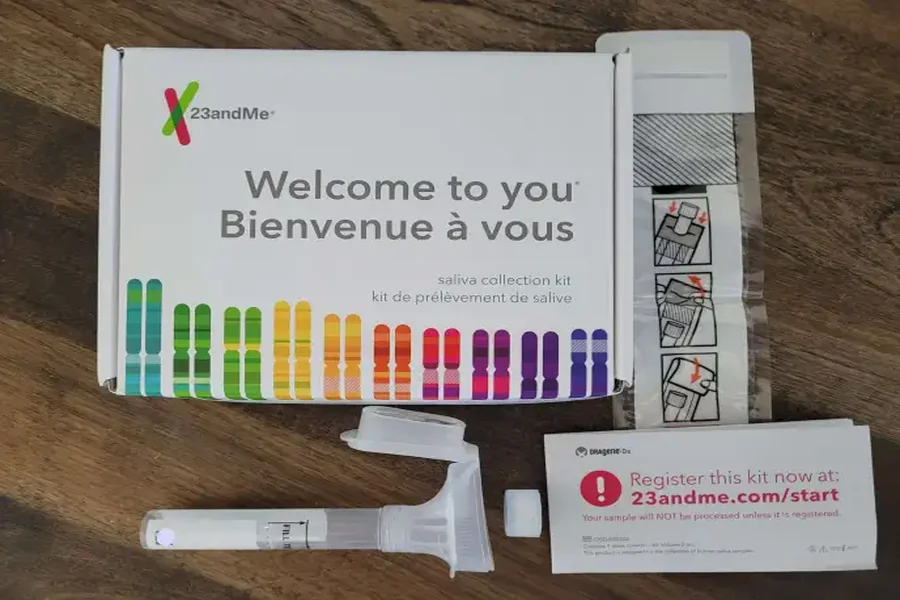
An ancestry map can suggest a destination, but the decision to travel needs more context. This article connects regional clues with family records, practical research visits, and realistic travel dates. It also explains how to make the visit worthwhile when a family question remains unanswered.
A destination feels different when you know why you are going
Travel gives family history a physical setting. We can stand near an old address, see how far two towns lie apart, or visit the archive that holds a relative’s record. Yet reaching a place does not settle the connection by itself. A familiar surname on a sign is not enough. Neither is the excitement of seeing a region appear in an ancestry report. The visit becomes more rewarding when we understand why the destination belongs in our plans. That reason might be a clearly documented family link, a question an archive can help answer, or an interest in learning about a broader region.
A DNA test can be part of how we arrive at that interest, alongside letters, records, and conversations. We do not have to turn every regional estimate into a destination. We can choose a place where the available evidence and our curiosity give us something worthwhile to do. The work before departure is to establish what can be checked, arrange the access we need, and understand the practical access limits of the visit. This gives us a route with reasons behind it, rather than a series of stops chosen to resemble a genetic map. It also protects the trip from depending on one dramatic discovery. We can return with useful new evidence, a clearer historical setting, or a better understanding of what remains unknown. The strongest plan leaves room for those outcomes and for the ordinary enjoyment of being somewhere we have wanted to understand more fully.
The place worth visiting may be a smaller part of the map
Read the explanation of a region before treating its outline as a family itinerary. The National Institute of Standards and Technology describes microarrays capable of measuring millions of genetic locations at once. Its 2025 explanation also describes reference panels containing thousands of genomes used in ancestry comparisons. Those figures concern measurement and comparison resources, not a list of ancestral homes. NIST notes that methods and changing reference datasets can produce differences between reports. For travel planning, the useful distinction is between a genetic similarity and a place linked to a named relative. An updated estimate may change the regional wording without changing the evidence in a birth record. Keep those two kinds of information separate.
Write down which connection you actually have. A broad region may suit a visit focused on history, food, or language. A named town in a record may support a more specific research trip. A location supplied by an online family tree may need further checks before it justifies either. These categories help keep the purpose honest without making uncertainty a reason to abandon your interest. A short destination note can identify:
- The person or family branch connected to the place.
- The source supporting that connection.
- The question a visit might help investigate.
- Activities worth doing if the research produces no answer.
For a documented family stop, compare identifying details across the available records. A surname match alone leaves too much open. Check ages, parents, spouses, occupations, and other locations where relevant. Read what the place field means: a birthplace, residence, registration district, and departure port describe different things. Keep the original spelling, then investigate its relationship to the current name. An old district may include several towns, and the archive holding its records may be elsewhere. Before building the route around a village, establish which institution has the material you need and whether those records survive for the relevant years. When sources disagree, retain the conflict in your notes and explain what would resolve it. An appealing destination should not decide which family account you accept.
Then consider what being there adds. A record already available online may not require a special archive journey, while a local collection could answer a question you cannot pursue from home. A historical walk may explain the setting without establishing another family fact. Both can be worthwhile if they serve a purpose you understand. Rank destinations by that usefulness as well as your personal interest. The largest percentage in an ethnicity report does not deserve an automatic place at the top. A smaller region with a sound family connection and accessible records may offer a more focused visit. Keep possible connections labeled as possibilities, including when you describe the trip to relatives or local hosts.
Prepare a research day that can produce something usable
A visit works better when the institution knows what you need before you arrive. Send a concise request with the person, likely dates, relevant place, and question. Include source references that explain your starting point. Avoid asking staff to reconstruct the whole family, and wait for an answer about the collection before treating the appointment as confirmed. Keep the correspondence with your travel documents so you can refer to the agreed arrangements. If access depends on a particular staff member or a document order, ask how a change would be handled. This is also the time to explain any access needs that could affect the visit.
1. Arrange access to the right material
Ask about opening days, appointments, identification, and advance document orders. Confirm whether the material is available in person or only through another form of access. Check which copying or photography rules apply, including any fees and restrictions on later sharing. Leave time for registration and retrieval instead of assuming that a booked seat means documents will be waiting on the desk.
2. Arrange the help your question requires
Decide whether you need a historian, a genealogical researcher, a translator, or help reading old handwriting. These skills can overlap, but one should not be assumed to include the others. Agree on the task, fee, and expected output in writing, including what happens if no relevant entry is found. A record of searches completed can remain useful even when the research does not confirm a family connection.
3. Make it possible to understand the result later
Bring a compact reference file and save copies offline. Record each document’s identity and source while you are consulting it, then separate its wording from your interpretation. Keep an untouched copy before cropping or enhancing an image, and ask permission before retaining or sharing private material supplied by someone else. End the session by noting what the visit established, what it ruled out, and what still needs checking.
Travel dates need to fit access, transport, and the full cost
Research availability is only one part of choosing a departure date. For U.S. travelers applying for a passport, the U.S. Department of State lists routine processing at 4–6 weeks and expedited processing at 2–3 weeks, as checked on October 31, 2026. Mailing time is separate: an application may take up to two weeks to arrive, with another two weeks for the passport to reach you after mailing. The department says processing times can change. Allow for the full timeline rather than treating the processing estimate as a delivery date.
Check entry and transit requirements for your own citizenship, and confirm the passport validity required for the journey. Put fixed research dates beside the transport options before choosing accommodation. A small town may have limited services even when it appears close to a larger base. Check the return journey as carefully as the outward one. An affordable room can become an expensive choice if each visit requires a long transfer. Add record fees, translation, guiding, local transport, and possible booking changes to the main vacation costs. Keep a clear limit for optional research so a promising clue does not become an automatic reason to spend more. Ask providers to distinguish the base charge from additional time, copying, or transport. Comparing written totals helps you assess two offers that initially appear to cover the same work.
Leave some decisions open until the practical details are clear. Confirmed archive access deserves priority over a speculative stop, but the route also needs time to absorb delays. A spare period can allow you to finish notes or rest after a demanding visit. Before committing money, check:
- Which bookings can be changed and on what terms.
- Whether local closures affect your planned visits.
- What each day’s transfers involve in time and cost.
- Which alternative activity fits if access falls through.
Travel arrangements should not assume access to other people’s lives either. Contact a possible relative before departure, explain the proposed connection carefully, and accept silence or a refusal. View a private ancestral address from public space unless the owner has agreed otherwise. Follow local rules at burial grounds, religious sites, and places associated with painful history. Choose local experiences for what they teach about the place, including its present, rather than asking hosts to confirm a feeling of belonging. A genetic link does not create a shared custom or a right to community membership. Treating the visit with that care makes room for useful encounters without turning someone else’s home into a backdrop for your family account.
Give the visit a record as well as a place in your memory
We may find the document we hoped for, or learn that the evidence cannot answer our question. Either outcome deserves a clear account. When we return, we can put the records, dates, and source references together before adding new claims to the family tree. Our photographs and impressions can sit alongside that evidence without being mistaken for proof.
Share the trip through a short account of what changed in our understanding. Explain which connection was already supported, what the visit added, and where uncertainty remains. A place may now feel less distant even when the family story is incomplete. That is something worth bringing home: a fuller setting for the people behind the records, with an honest explanation of how we came to know it.