
Best Light Filtering, Blackout and Motorised Shades for Ultimate Home Comfort
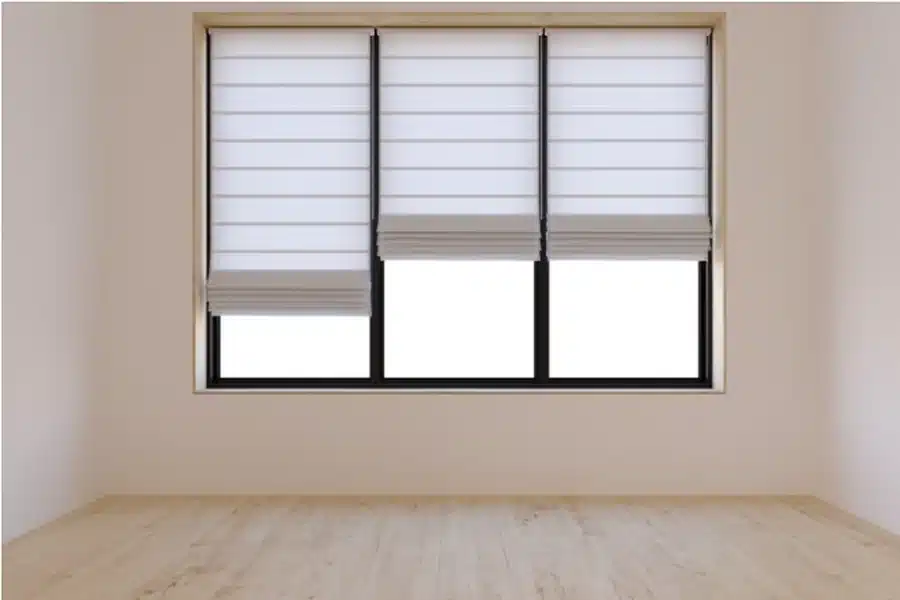
Window Shade
Light filtering shades softly diffuse natural light, maintaining brightness while reducing glare. They create a cozy, welcoming atmosphere without compromising privacy. Blackout shades, on the other hand, are designed to block out light entirely, offering complete darkness — perfect for bedrooms, home theatres, or anyone who values restful sleep. Meanwhile, motorised shades represent modern convenience, allowing you to adjust your window coverings with a remote control or smartphone app, integrating seamlessly with smart home systems.
Understanding the differences among these shades can help homeowners make informed decisions that enhance both the functionality and visual appeal of their living spaces.
Light filtering, blackout, and motorised shades each serve specific purposes depending on your needs. Light filtering shades work by allowing some sunlight to pass through while maintaining privacy, giving rooms a bright yet soft ambience. Blackout shades use tightly woven materials to completely block sunlight, making them ideal for shift workers, movie lovers, or nurseries. Motorised shades combine style with innovation, allowing effortless control of natural light through automated systems.
Whether you want gentle illumination, total darkness, or hands-free convenience, there’s a shade option tailored to your preferences. For effective light-blocking performance, visit https://www.rollishades.com/collections/shades, designed to deliver optimal privacy, comfort, and style for any home.
Light Filtering vs. Blackout Shades – Decoding the Difference
Light filtering and blackout shades may appear similar, but their functions differ significantly. Light filtering shades soften sunlight, making them perfect for living rooms, kitchens, or offices where you want brightness without harsh glare. They also help protect furniture and flooring from fading caused by UV rays.
Blackout shades, by contrast, are built to eliminate light. They’re ideal for bedrooms, media rooms, or nurseries where darkness promotes better sleep or optimal viewing conditions. The key difference lies in material density and opacity — blackout fabrics are thicker, while light filtering options are more translucent. Choosing between the two depends on the balance you want between natural light and privacy.
Exploring the Advantages of Motorised Shades
Motorised shades offer unmatched convenience and a touch of luxury. With just a tap on your smartphone or a voice command, you can adjust your shades to your liking. These shades are ideal for large windows, high ceilings, or hard-to-reach areas where manual adjustments can be inconvenient.
Beyond comfort, motorised shades improve energy efficiency. They can be programmed to close during the hottest parts of the day to keep your interiors cool, reducing air conditioning costs. They also enhance home security — automated schedules give the illusion that someone is home even when you’re away.
Modern designs make them sleek and stylish, blending effortlessly with any décor. Whether you want to wake up to gentle sunlight or enjoy privacy at night without moving an inch, motorised shades redefine convenience and comfort.
Understanding the Mechanism
Motorised shades work through an electric motor hidden within the roller or headrail. They’re powered either by batteries or through a wired connection to your home’s electrical system. The motor communicates with a remote control or smart hub, enabling you to raise or lower shades automatically.
This system not only ensures smooth operation but also extends the life of the shades by reducing manual handling. Advanced options integrate with voice assistants like Alexa, Google Home, or Apple HomeKit, allowing full customisation of settings, from adjusting shade positions to scheduling open-and-close times throughout the day.
How These Shades Can Enhance Your Home’s Interior
Shades influence how a space feels as much as how it looks. Light filtering shades, for instance, create a warm and inviting glow that softens the atmosphere, while blackout shades add drama and depth by controlling contrast and shadows. Motorised shades introduce a sleek, modern appeal that elevates your home’s design with both style and technology.

Shades also help set the mood of a room. Choosing lighter tones can make a space appear larger and airier, while darker shades create a sense of intimacy and sophistication. The material, colour, and texture of your shades can harmonise with your furniture and walls, bringing the entire room together cohesively.
The Impact of Shades on a Room’s Lighting
Lighting plays a major role in interior design, and shades give you control over it. Light filtering shades allow natural light to enter gently, enhancing visibility and reducing dependence on artificial lighting. Blackout shades, conversely, let you control brightness entirely, ensuring restful sleep or glare-free TV watching.
Properly chosen shades can also improve energy efficiency. During summer, they block excessive sunlight, keeping rooms cooler, and in winter, they provide insulation that retains warmth. This not only improves comfort but also reduces energy costs over time.
Tips on Matching Shades with Your Interior Décor
Choosing the right shades goes beyond practicality — it’s also about complementing your décor. Start by considering your room’s colour scheme. Neutral-colored shades offer versatility, while bold hues can serve as striking accents. Match textures with existing elements, such as wooden blinds for rustic themes or fabric shades for contemporary interiors.
It’s also wise to think about the room’s purpose. For example, blackout shades suit bedrooms and entertainment areas, while whilelight-filteringg shades are perfect for kitchens and living spaces. Mixing shade types across different rooms ensures both functionality and aesthetic consistency.
Considerations Before Choosing the Right Shades
Before making a purchase, consider factors such as window size, direction, and purpose. Rooms facing the sun may require blackout or motorised shades for better temperature control, while shaded areas might benefit more from light filtering options.
Pay attention to material quality. Durable fabrics and smooth mechanisms ensure long-lasting performance. Don’t forget to measure accurately — ill-fitting shades can diminish both style and function. Finally, keep your budget in mind. While premium options may cost more upfront, they often offer better durability, convenience, and energy savings in the long run.
The Importance of Professional Installation
While DIY installation is possible, professional installation guarantees safety and precision. Experts ensure the shades are mounted correctly, level, and functioning smoothly. This not only enhances their lifespan but also prevents damage to your walls or windows.
Professional installers can also calibrate motorized systems to integrate with your home automation setup, saving you time and ensuring optimal performance. The result is a clean, secure, and polished finish that enhances both the look and functionality of your shades.
Conclusion
Window shades are more than just practical accessories — they are essential design elements that shape your home’s comfort, privacy, and overall feel. Light filtering shades invite warmth and softness, blackout shades provide total control over light and privacy, and motorised shades combine convenience with modern living.
Before deciding, take time to research the available options, materials, and brands. Understanding your space, lighting preferences, and budget will help you make the right choice. Investing in high-quality shades not only enhances your home’s comfort but also adds value and elegance that lasts for years.