
Brightening Your Smile: The Science, Safety, and Strategy Behind Modern Professional Teeth Whitening
A captivating smile is one of the most powerful aspects of visual communication. It builds instant rapport, projects health, and boosts self-confidence in both personal and professional settings. However, daily habits—such as drinking coffee, enjoying red wine, or simply aging—gradually dull natural enamel.
Today, consumers face an overwhelming array of choices. From over-the-counter whitening strips and activated charcoal pastes to custom-fitted trays and high-intensity LED systems at local dental practices, deciding how to brighten your smile can feel complex. Understanding the science behind enamel discoloration, comparing professional options to home remedies, and adopting proper long-term maintenance will help you achieve a radiant smile safely.
Understanding Enamel Discoloration: Intrinsic vs. Extrinsic Stains
To choose the right whitening approach, you first need to understand why teeth change color over time. Dental discoloration falls into two primary categories: extrinsic and intrinsic.
Extrinsic stains affect the outer layer of the tooth, known as enamel. Enamel is microscopic and porous, meaning chromogens—pigment compounds found in dark foods, teas, coffees, berries, and tobacco—can bind to its surface structure. Over months and years, these surface stains build up, turning naturally off-white teeth yellow or dull gray.
Intrinsic stains originate deep within the tooth structure, beneath the enamel in the dentin layer. Dentin is naturally darker and more yellow than enamel. As we age, enamel gradually thins from normal wear, allowing the darker dentin beneath to show through more prominently. Intrinsic discoloration can also stem from specific childhood medications like tetracycline, trauma to a tooth, or excessive fluoride intake during early development.
While extrinsic stains respond exceptionally well to topical treatments, intrinsic stains often require targeted clinical formulations or alternative cosmetic approaches like porcelain veneers or bonding.
Over-the-Counter Solutions vs. Professional Treatments
The dental aisle of any pharmacy is packed with promise. Whitening toothpastes, LED kit bundles, and whitening strips suggest fast results at a low price point. However, the mechanisms and results of retail options differ substantially from clinical treatments.
Over-the-counter whitening toothpastes rely primarily on mild abrasives like silica to mechanically scrub away surface stains. While helpful for removing daily coffee residue, they do not alter the intrinsic shade of your enamel. Whitening strips and basic retail kits use low concentrations of hydrogen peroxide or carbamide peroxide—typically around 3% to 10%. While these can yield minor shade improvements over several weeks, the generic fit of strip applicators often allows gel to leak onto sensitive gum tissue, causing local irritation and uneven whitening results.
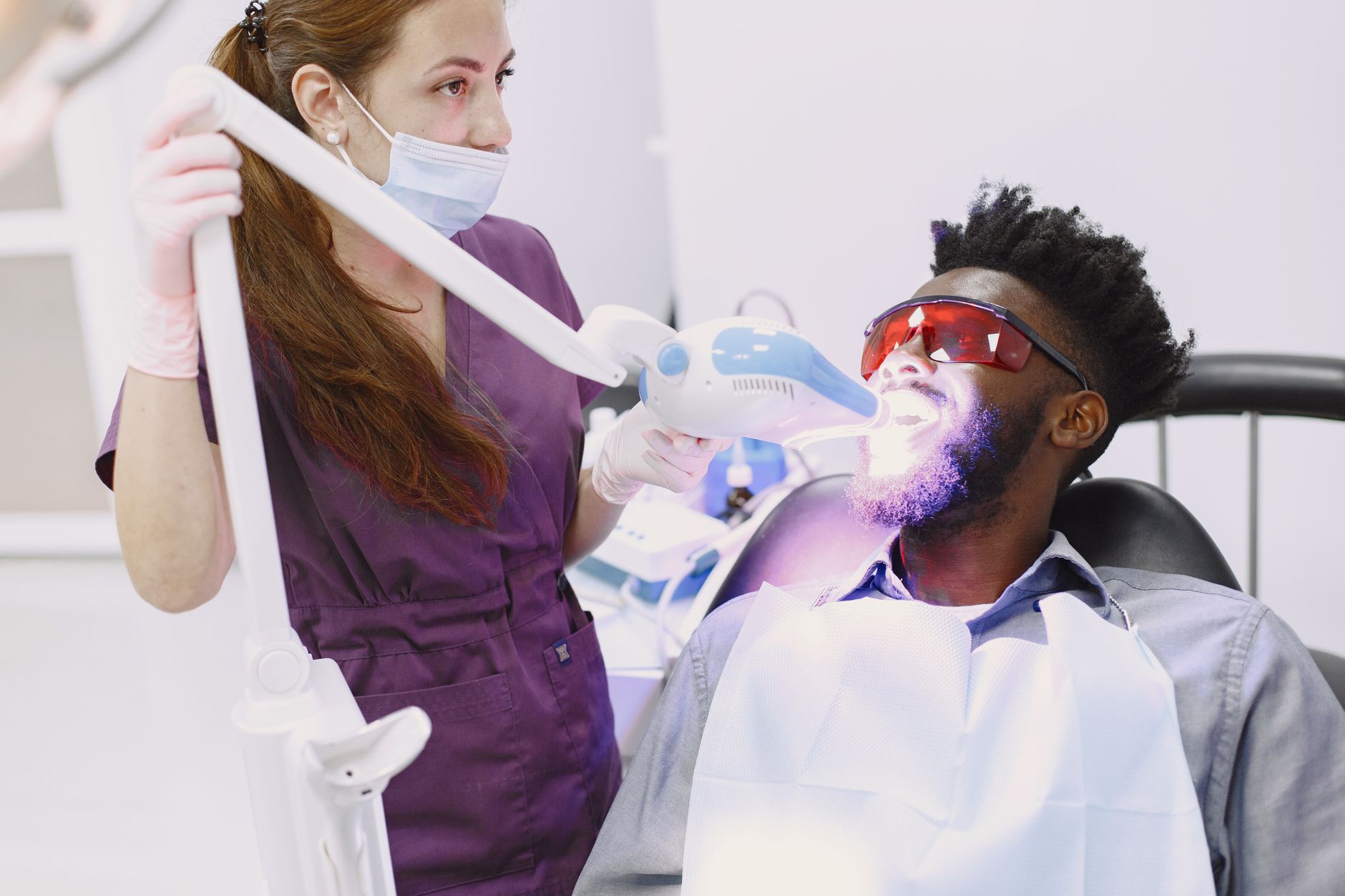
In contrast, professional dental treatments utilize clinical-grade formulations containing 25% to 40% hydrogen peroxide. Because these formulations are potent, dentists take active steps to protect your gums and soft tissues with protective barriers during treatment. A custom-crafted tray ensures the active ingredient stays in direct, continuous contact with your enamel for maximum penetration.
For patients seeking immediate, dramatic results, professional care remains the safest and most effective choice. Individuals looking for trusted clinical expertise in coastal Virginia often turn to dedicated cosmetic options such as teeth whitening virginia beach va to achieve bright, even shades without compromising enamel integrity or triggering soft-tissue discomfort.
Key Factors in Preventing and Managing Tooth Sensitivity
The most common side effect reported during whitening treatment is temporary tooth sensitivity. This occurs when the active peroxide compounds penetrate the enamel to break down organic stain molecules, temporarily opening microscopic channels in the dentin that lead directly to the tooth’s nerve.
Managing and preventing this discomfort is straightforward with the proper prep work:
- Use a Desensitizing Toothpaste: Switch to a toothpaste formulated with potassium nitrate or nano-hydroxyapatite two weeks before starting any treatment. Potassium nitrate helps calm the nerve endings inside the tooth, while nano-hydroxyapatite works to seal open dentinal tubules.
- Avoid Extreme Temperatures: Limit consumption of piping-hot coffee, ice water, and cold desserts for 48 hours following a treatment session, as enamel remains temporarily more porous and sensitive to temperature swings.
- Space Out Application Sessions: If using custom take-home trays, apply the gel every other day rather than consecutive nights to allow enamel to rehydrate.
- Follow Professional Guidance: Consult your dentist before starting any regimen. They can assess existing dental work like crowns or tooth-colored fillings, which will not respond to peroxide whitening agents and may require strategy adjustments to maintain an even appearance.
Long-Term Maintenance: Keeping Your Smile Radiantly White
Whitening is not a one-time event; it is an ongoing maintenance habit. Once you have achieved your target shade, adopting preventive habits will keep your smile bright for years to come.
First, implement a dietary strategy during the critical 48-hour window after treatment. During this period, enamel is vulnerable to restaining. Stick to a “white diet” consisting of foods like chicken, white fish, rice, cauliflower, and water. Avoid soy sauce, berries, red wine, coffee, and dark sodas.
Second, practice mindful beverage consumption. When drinking iced coffee, tea, or dark juices, use a straw to bypass your front teeth. A quick water rinse after eating dark-pigmented foods helps wash away lingering chromogens before they set into the porous outer surface.
Finally, maintain rigorous oral hygiene habits. Brushing twice daily with a soft-bristled brush, flossing daily to prevent interdental staining, and scheduling professional dental cleanings every six months will clear away plaque build-up before it hardens into discolored tartar.
A radiant smile is within reach for anyone willing to balance proven clinical science with consistent home care. By understanding how stains form, selecting high-quality professional treatments, and protecting your teeth against sensitivity and restaining, you can display a bright, healthy smile with complete confidence.