
Can Stress Actually Affect Your Oral Health?
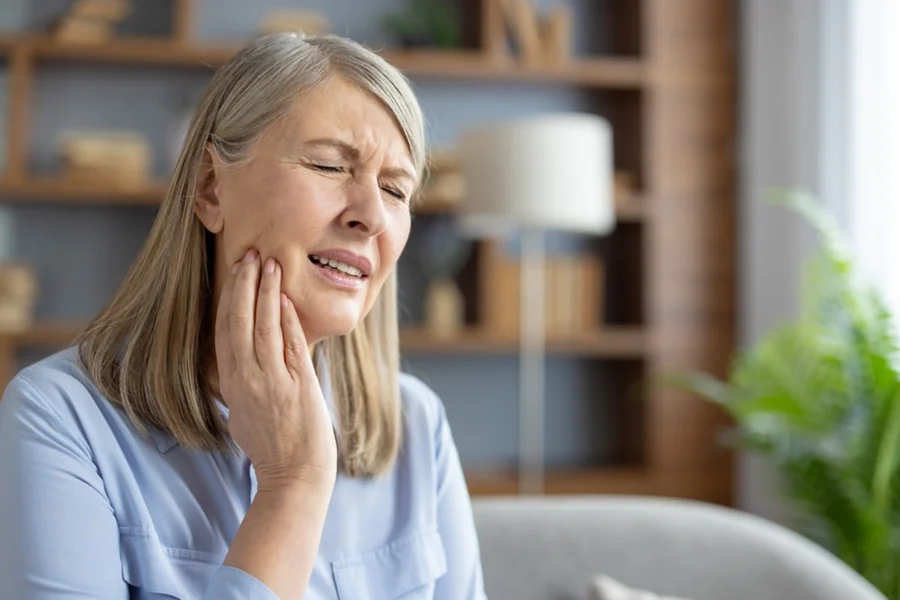
When life gets busy or stressful, it can change the way you sleep and eat, and even just how you take care of yourself. It can even affect what is happening inside your mouth.
You might notice that you clench your jaw during a stressful day or wake up with a sore jaw after not sleeping very well. Maybe you deal with dry mouth or have been eating more surgery treats. These things all may seem unrelated at first, but stress can actually influence several habits and physical responses that affect your oral health.
Understanding that connection can make it easier to recognize these changes in your teeth and jaw before they become a bigger concern.
Stress Can Cause You to Clench or Grind Your Teeth
One of the more noticeable ways stress can affect your mouth is through teeth grinding and jaw clenching. This is typically called bruxism.
Some people clench their teeth during the day without even realizing they’re doing it. Others grind their teeth while sleeping and may not know it’s happening until a dentist notices it. Stress is one factor that has been associated with bruxism. Other factors can also be taking certain medications, or drinking caffeine and alcohol.
Over time, if you are frequently grinding or clenching your teeth, it can add tension in your mouth. Some major signs that this is happening is:
1.Worn, chipped or cracked teeth
2. Tooth sensitivity
3. Jaw soreness
4. Headaches
5. Tired jaw muscles
If you regularly wake up with a sore jaw or notice that your teeth seem more sensitive than usual, it’s worth bringing it up during your next dental appointment. Your dentist can look for these signs of grinding that you might not notice.
Stress May Leave Your Mouth Feeling Dry
Have you ever noticed that your mouth gets unusually dry when you’re nervous about something? That’s not your imagination.
Stress can actually temporarily cause dry mouth. Saliva keeps your mouth healthy because it helps wash away the food you eat and contains minerals that also help to protect your teeth. When dry mouth continues for a while, it can lead to tooth decay and oral infections.
Stress isn’t the only possible cause of dry mouth either. Certain medications and medical conditions can also contribute to it. That’s why persistent dry mouth is something you should mention to your dentist, because it might not just be because you are stressed.
Your Daily Habits Can Change When You’re Stressed
When you get stressed throughout your life, you might make changes in your routine because you’re overwhelmed.
You might skip brushing your teeth before bed because you’re exhausted. You may snack more throughout the day or eat more sugar. You might also put off dental cleaning because there are other things competing for your attention.
None of these things automatically means you’re going to develop a dental problem. But when those habits continue for weeks or months at a time, they can make it harder to keep up with the daily care your teeth and gums need.
Don’t Ignore Jaw Pain or Tooth Sensitivity
It’s easy to blame a sore jaw or sensitive teeth on stress and assume it will eventually go away. Sometimes it may be connected to grinding your teeth, but your pain can have several possible causes.
Your tooth sensitivity could come from worn enamel or another dental concern. Jaw pain can also have causes that have nothing to do with stress. A dental exam gives your dentist a chance to look at your teeth and gums and determine what may be contributing to the problem.
This is one reason routine dental care is useful even when nothing feels seriously wrong. During a regular checkup, Idaho Falls dentists can identify changes you may not have noticed yourself and track your oral health over time.
What Can You Do When Stress Is Affecting Your Oral Health?
The first step is paying attention to what your body is telling you.
If you catch yourself clenching your teeth during the day, try to notice when it happens. Relaxing your jaw and finding ways to manage stress can help you to stop these habits. For people who grind their teeth at night, a dentist can look for signs of damage and discuss ways to protect the teeth, if you need.
It’s also important to keep your normal oral hygiene routine during stressful periods in your life. Be sure to brush your teeth, clean between them, drink plenty of water and keep up with your regular dental appointments.
And if you’ve noticed something different in your mouth, don’t be embarrassed to bring it up. Dental appointments are an opportunity to ask questions and better understand what’s happening with your oral health.
Your Mouth Can Give You Clues
Stress is a normal part of life, but that doesn’t mean you should ignore the changes that sometimes come with it. Routine cleanings and examinations give patients an opportunity to discuss their concerns and have their teeth and gums checked out. The goal is to help patients understand what is happening and why a particular treatment or change in care may be recommended.
If you’ve noticed changes in your teeth, gums or jaw and aren’t sure what’s causing them, scheduling a dental checkup can be a good place to start. Sandcreek Dental provides family dental care in Idaho Falls, Ammon and the surrounding areas.