
How Are Technology, Regulations, and Freight Markets Changing Trucking?
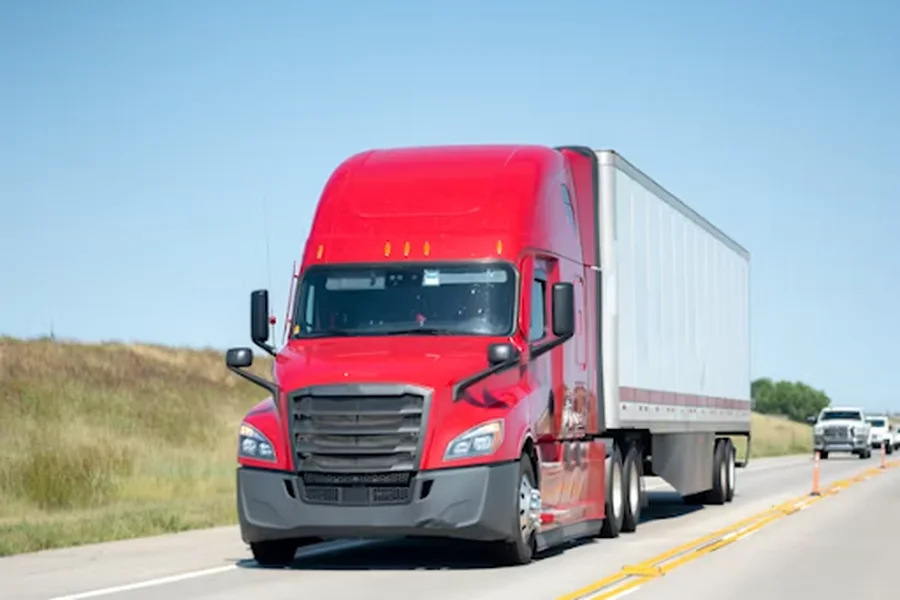
Trucking is changing, and drivers can see it from the cab. New technology is changing how trucks are tracked, maintained, and driven. Changes in regulations are now shaping the compliance requirements of carriers and drivers.
Also, the freight rate, fuel cost, and shipping demand keep fluctuating. This means that the trucking industry has changed quite dramatically over the last few years.
Moreover, each of these changes is also influencing others. An example of the former would be how a change in regulation leads to the introduction of a new technology.
Similarly, rising fuel costs may influence the decision regarding freight. Another change in freight demand may affect rates and the number of available shipments. For the drivers and carriers, it is now imperative that they adapt to these changes.
Fortunately, most of these changes also bring in opportunities for increased safety and efficiency. Read on to continue learning!
1. Technology Is Changing the Trucking Experience
The use of technology has become the norm in the trucking sector. Modern drivers use electronic logs, GPS systems, and digital inspection devices, among others, when performing their duties. Fleets, on the other hand, use technology to track their trucks, assess vehicle performance, and analyze driving behavior.
Telematics technology, for instance, can provide information on issues such as speeding, hard braking, and driver distraction. Fleets can use such data to identify possible problem areas in their operations.
Technological innovations are also transforming other aspects of trucking operations, such as routing, truck parking, maintenance, and freight planning. Connected vehicles and artificial intelligence have even become topics of discussion concerning the future of transport. Trucking news can help drivers and fleet operators stay informed about these developments and understand how emerging technologies may affect their daily work.

2. Regulations Are Changing How Drivers Work
Regulations have always been a major part of trucking. Drivers and carriers must follow rules covering hours of service, electronic logging, commercial licenses, inspections, safety, and other areas. However, these rules can change, sometimes quickly.
Recent industry updates have covered changes involving electronic logging, commercial driver licensing, hours of service, drug and alcohol enforcement, and other compliance requirements.
Because of this, drivers cannot rely only on what they learned when they first started driving. Staying informed matters. A seemingly small rule on paper can still affect a driver’s daily routine. It may change paperwork, trip planning, inspections, or the way driving time is recorded.
3. Freight Markets Can Change the Numbers
Technology and regulations are only part of the picture. The freight market also plays a major role in trucking. When demand for freight rises, rates can improve. When demand falls, rates may weaken. Fuel costs can add another layer of pressure.
Recent market reports show how quickly conditions can change. Spot market rates may rise while higher diesel prices reduce the benefit of those gains. In September 2026, industry reporting highlighted a sharp increase in diesel prices alongside changes in spot market activity.
This matters because a higher rate does not always mean higher earnings. Drivers and carriers also have to consider fuel, maintenance, insurance, equipment, and other costs. Current industry reporting has also pointed to record operating costs in recent years, adding pressure to trucking businesses.
4. Drivers Feel These Changes Every Day
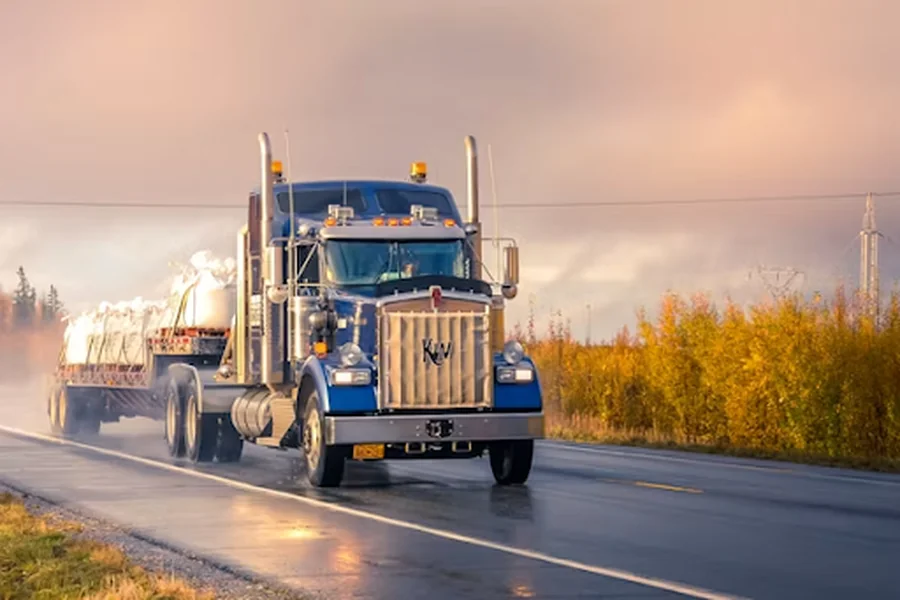
Industry changes become most noticeable when they affect what happens during a driver’s actual workday. A new digital system, for example, may change how information is received, recorded, or shared from the cab. Similarly, changes in transportation planning can influence where drivers stop, how they navigate busy corridors, and how much time they spend waiting.
Truck parking remains a practical challenge in many areas, particularly for drivers seeking safe, suitable spaces while managing their hours on the road. Better planning and technology can help improve access to parking information and make freight movement more efficient.
Ultimately, these changes can affect more than the operation of a truck. They can influence a driver’s schedule, available time, route, and daily workload. Staying informed through reliable trucking news can help drivers understand why these changes are happening and prepare for how they may affect their work.
5. Safety Remains a Major Focus
Even as technology and freight markets change, safety remains at the heart of trucking. Drivers must continue to inspect their vehicles, follow driving rules, manage fatigue, and respond appropriately to road conditions.
Technology can support these responsibilities through tools such as telematics, which can identify potentially unsafe driving patterns, and digital systems that make safety information easier to monitor. New vehicle systems can also provide additional safety features and alerts.
Regulatory inspections provide another layer of oversight by identifying equipment and cargo violations that may result in commercial vehicles being placed out of service. However, these tools and procedures do not replace a driver’s responsibility. Drivers must still use their judgment, understand the information available to them, and make safe decisions behind the wheel.

6. Trucking Is Becoming More Connected
One of the biggest changes in the trucking industry is the way its various elements have become interconnected. Technology impacts regulations. Regulations impact equipment. Equipment expenses impact business choices. Freight pricing impacts load selection.
These connections make the industry more interwoven. An occurrence in one area can quickly impact another.
For instance, an emissions regulation may affect a carrier’s equipment selection. A technological advance may necessitate driver education. Higher gasoline costs may make route planning more necessary. Changes in freight demand may affect truck utilization.
Consequently, trucking professionals need to be aware of how all of these elements connect. Understanding this connection may enable the driver or carrier to make better business decisions daily.
Conclusion
This is the age of revolution in the trucking industry, driven by technology, regulatory changes, and shifts in freight markets influenced by economic conditions and fuel prices. However, the one thing that stays constant is safety.
These various factors do not work in isolation; they affect one another. For example, a technological advancement can influence a driver’s work in a particular way. Similarly, regulations can lead to changes in the equipment carriers use. And fluctuating fuel prices can bring changes in freight markets.