
How Modern Production Facilities Eliminate Shop Floor Chaos and Delivery Delays
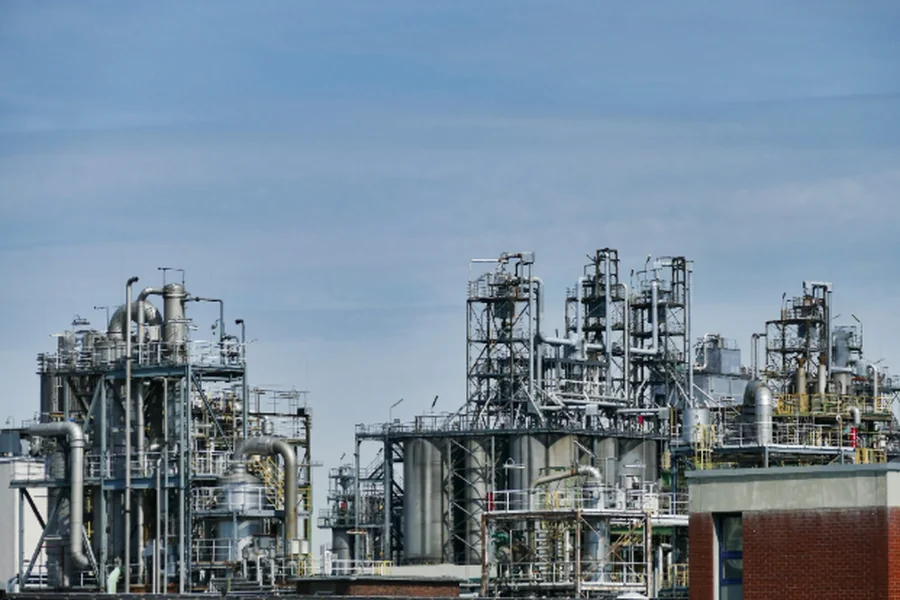
Disjointed shop floor handoffs and paper tracking often derail schedules, leading modern production plants to adopt synchronized digital tracking platforms.
Custom fabrication shops wrestle with mounting floor congestion, sudden equipment stalls, and missed client delivery dates. When your machine operators rely on physical route sheets, verbal updates, or static dry-erase boards, your shop supervisors work blind regarding true work-in-progress status. That information gap creates misallocated machine capacity, idle labor hours, and expensive freight fees.
Moving to interactive electronic routing bridges the divide between customer promise dates and daily workstation output. Modern facilities replace analog paper trails with synchronized tracking that clarifies machine flow and restores predictable delivery cycles.
Why Does Analog Communication Throttle Shop Capacity?
Paper travelers degrade the moment they enter active machining environments. As job folders travel between sawing, milling, and deburring bays, operators scribble notes in margins or misplace sheets entirely. Your supervisors walk thousands of paces across concrete floors simply trying to locate high-priority parts.
Unplanned machine halts compound these routing errors. If a vertical mill throws a spindle alarm, the operator leaves the cell to locate maintenance personnel. The rest of your plant remains unaware that an entire production path has stalled. Work continues piling up behind the silent machine, creating floor congestion that starves downstream finishing stations.
Supply Chain Management Review revealed that bottlenecks prevented 20.6% of manufacturing plants from running at full operational capacity. Your floor leadership only discovers scheduling collapses during shift handoffs, leaving little room to recover lost production time.
How Do You Coordinate Multi-Step Machining Without Delays?
Your machinists require immediate clarity on assembly priorities before raw billets touch a cutting spindle. By implementing synchronized works order management, production supervisors can track job status across every workstation in real time. That transparency keeps operators focused on urgent assemblies rather than tracking down missing hardware. Floor managers gain the flexibility to divert work to open equipment whenever an unexpected tool failure stalls a primary machining center.
Digital routing aligns front-office quoting with floor execution. When your sales team accepts a tight turnaround project, the digital platform balances that order against current cell loads. The software sequences job stages logically, verifying that raw stock and tooling arrive before setup technicians begin adjustments.
How Can Digital Scheduling Eliminate Hidden Bottlenecks?
Traditional static schedules fail within two hours of a shift start. A broken tool or an absent machinist throws fixed timetables into disarray. Dynamic scheduling boards solve this vulnerability by updating project timelines automatically as work progresses.
Managing Complex Station Dependencies
High-mix fabrication demands coordination between sequential machine setups. If primary turning falls behind schedule, your milling centers sit idle waiting for profiled blanks. Kitting teams receive automated cues to stage metal stock, fixtures, and cutting tools ahead of production runs. Preparing these items before operators finish prior cycles eliminates changeover delays.
When finishing vendors face backlogs, your dispatch board reschedules secondary polishing and quality inspections. Technicians pivot toward alternative assemblies without creating idle queues.
What Happens When Operators Clock In Electronically?
Replacing paper time cards with barcode scans or tablet logins provides accurate insight into labor allocation. Your operators log directly into assigned operations, recording exact run cycles and component completions.
- Log live setup durations: Operators record exact prep minutes, exposing machines that require excessive changeover times.
- Track active cycle times: Spindle engagement displays automatically, showing whether actual machining matches programmed run estimates.
- Flag unexpected scrap spikes: Technicians tag defective stock instantly, triggering rapid engineering reviews before entire batches face rejection.
- Signal immediate maintenance needs: Machine alarms dispatch technicians directly, cutting idle diagnostic delays across active workcells.
Capturing these discrete metrics removes emotional debate from production reviews. Your supervisors rely on verified data to evaluate cell performance, pinpoint training needs, and adjust capacity models.
How Do You Bridge Quoting Estimates to Actual Production Variance?
Profitable manufacturing requires tight alignment between estimated shop costs and physical execution. Estimators build job quotes on theoretical cycle times that fail to account for deburring difficulties or tool wear. Unchecked, recurring inaccuracies silently drain profit margins.
A 2024 study by Deloitte projected that United States fabricators could leave roughly 1.9 million production roles unfilled through 2033 while creating 3.8 million positions. Facing persistent recruitment constraints, your business must maximize the productive capacity of every technician. Recording real machine run times and scrap percentages against quoted estimates highlights margin erosion before it threatens balance sheets.
What Protects Profit Margins Across Custom Machining Runs?
Protecting margins in high-mix environments calls for proactive variance tracking. When unexpected tool wear extends cutting passes, managers need instant notification rather than post-mortem margin analysis. Live variance tracking alerts managers to cost overruns while parts still occupy the fixture.
Real-time oversight allows teams to salvage profitability during active runs. Supervisors swap out worn tooling, adjust feed rates, or reallocate staff to prevent compounding scrap losses. This operational control prevents small technical hiccups from destroying job profitability.
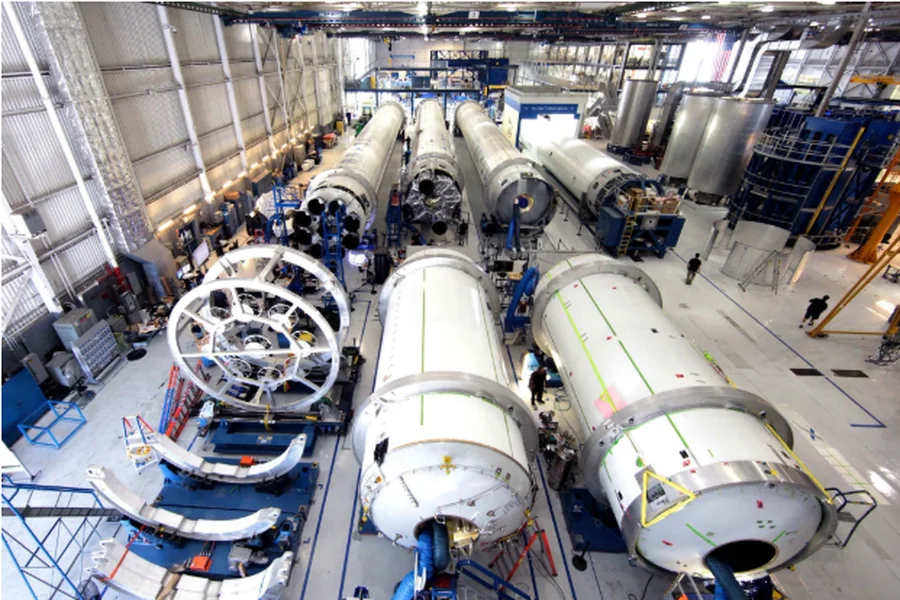
Replacing paper travelers and fragmented communication with digital routing transforms congested machine floors into coordinated, agile production hubs. When your teams gain real-time visibility across every workcell, they anticipate bottlenecks and protect customer commitments with confidence.