
How Personal Training Can Help Seniors Improve Posture and Stability
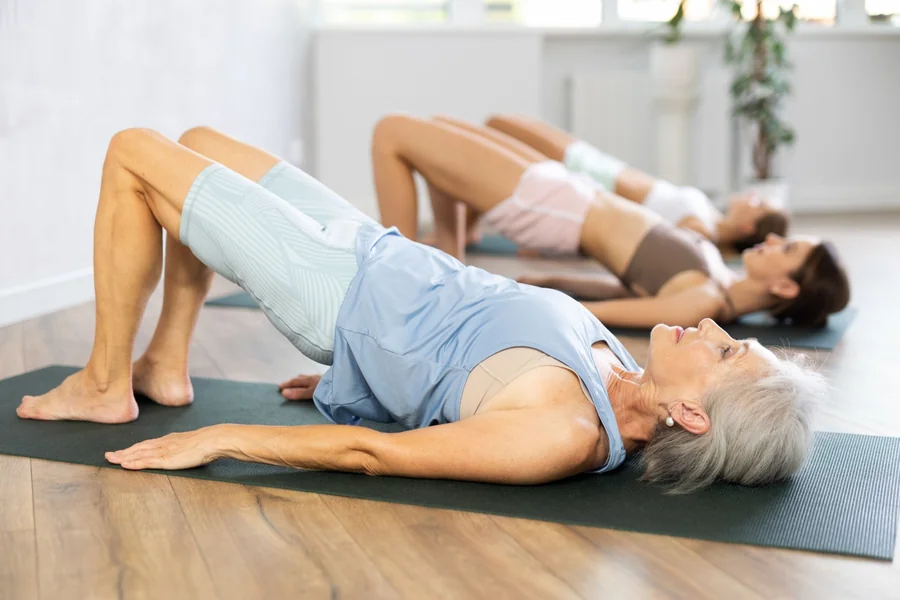
Posture and stability often change with age, but these changes do not have to limit daily life. With thoughtful guidance, seniors can build strength, improve alignment, and move with more confidence. Personal training offers structured support that adapts exercise to individual ability, comfort, and health history.
Why Posture Changes With Age
Many seniors notice rounded shoulders, a forward head position, or stiffness through the back and hips. These patterns can develop from reduced activity, joint changes, muscle weakness, or long periods of sitting. Over time, posture changes may affect balance, breathing, walking, and comfort.
A personal trainer can assess movement habits and identify areas that need support. This may include tight chest muscles, weak upper back muscles, limited hip mobility, or reduced core strength. The goal is not perfect posture, but better control and easier movement.
How Stability Supports Everyday Independence
Stability is the ability to control the body during standing, walking, reaching, turning, and stepping. For seniors, better stability can make everyday tasks feel safer and easier. This includes climbing stairs, carrying groceries, rising from a chair, or walking on uneven surfaces.
Training for stability usually combines strength, balance, coordination, and body awareness. Exercises are selected carefully so they are challenging without feeling unsafe. A structured approach helps build confidence while reducing unnecessary strain.
The Role of Strength Training
Strength training is one of the most useful tools for improving posture and stability. Stronger legs support balance, stronger hips improve walking control, and a stronger core helps maintain upright alignment. Upper back and shoulder exercises can also reduce the tendency to slouch.
A qualified personal trainer helps seniors use proper form and appropriate resistance. This may involve bodyweight movements, light weights, resistance bands, or supported exercises. Progress is gradual, with attention to comfort, breathing, and joint position.
Common Strength Areas to Address
- Glutes and hips for standing, walking, and stair climbing
- Core muscles for trunk control and upright posture
- Upper back muscles for shoulder position and spinal support
- Leg muscles for balance, transfers, and daily movement
Balance Exercises That Build Confidence
Balance can improve with consistent practice. A trainer may begin with supported movements, such as standing near a stable surface, shifting weight side to side, or practicing controlled steps. As ability improves, exercises may become more dynamic.
The focus is on quality, not speed. Seniors learn how to maintain control, recover from small shifts, and use their feet, hips, and core together. This practical training carries over into daily movement and may help reduce fear of falling.
Mobility and Flexibility for Better Alignment
Stiff joints and tight muscles can affect posture. Limited ankle mobility may change walking mechanics, while tight hips can pull the pelvis out of alignment. Gentle mobility work helps restore smoother movement and supports better exercise performance.
Stretching and mobility drills are most effective when paired with strength work. For example, opening the chest can feel helpful, but strengthening the upper back helps maintain that improved position. This balanced approach is often more useful than stretching alone.
Personalized Support Matters
Every senior has different needs. Some may be rebuilding strength after inactivity, while others may manage arthritis, joint replacement history, or balance concerns. Working with a personal trainer etobicoke can provide individualized exercise selection, form guidance, and appropriate progression.
Personalization also helps seniors avoid common mistakes, such as using movements that are too advanced, holding their breath, or rushing through balance exercises. Safe progress depends on consistency, patience, and clear instruction.
Posture and Stability Beyond the Gym
Good training should support real life. Seniors may practice standing taller while walking, rising from chairs with control, or carrying objects evenly. Small improvements in movement awareness can reduce strain and make daily tasks feel more manageable.
Education can also support healthy habits in group settings. Topics related to movement, ergonomics, and active aging may appear in corporate wellness programs toronto, especially where long sitting and posture awareness are common concerns.
Building a Safe and Sustainable Routine
A sustainable routine does not need to be complicated. Seniors often benefit from two or three strength sessions per week, combined with gentle mobility and regular walking if appropriate. Rest, hydration, comfortable footwear, and medical guidance are also important when needed.
Progress may show up as steadier walking, easier standing, less stiffness, or more confidence during daily activities. With practical coaching and consistent effort, personal training can help seniors improve posture, stability, and overall movement quality.