
How to Tell If Termites Are Damaging Your Home Without You Knowing
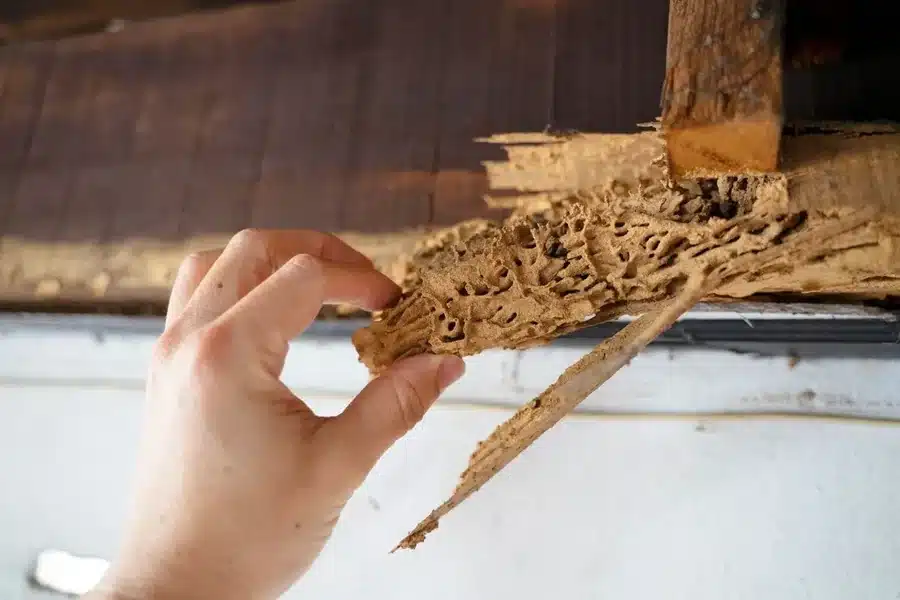
Termites are quite destructive to your home. They work behind the scenes and mostly go out of sight, making it difficult to detect them until serious damage has already occurred. What makes them even more dangerous is their ability to live undetected inside your home’s walls, floors, and foundation for months or even years.
That’s why home termite control should be a priority before signs become obvious. Ignoring the early symptoms of an infestation can lead to costly repairs and structural damage. This article will show you how to recognize subtle warning signs and hidden indicators that termites may already be affecting your living space.
Strange Sounds in the Quiet
Have you ever heard faint clicking or tapping noises inside your walls? That may not be your imagination. Soldier termites bang their heads or shake their bodies when they sense danger, creating a soft rustling sound. Workers also make noise as they chew through wood. If your house seems unusually noisy when it’s quiet, especially at night, this could be a red flag. Place your ear near wooden surfaces or walls. If you catch a faint sound, it’s time to investigate further. Termites might already be active without your knowledge.
Hollowed or Broken Wood
Tap wooden structures with a screwdriver or the handle of a tool. A solid wood should usually sound firm. If the wood sounds hollow or papery, termites may have eaten away the inside while leaving a thin layer on the surface. This kind of silent internal damage is common in window frames, doors, baseboards, and floorboards.
You might also notice blistering or uneven surfaces on painted wood. These small visual cues usually go unnoticed until the damage is significant. For that reason, thorough checks of wooden areas, especially in basements and attics, are essential.
Swarmers and Scrapped Wings
Termites reproduce quickly, and one of the first signs of a growing colony is the appearance of swarmers, winged termites looking to establish new colonies. These insects frequently gather near windows, light sources, or doorways.
Here are the indicative signals to look for:
- Small piles of discarded wings on window sills or floors
- A sudden increase in flying insects indoors
- Swarming during warm or humid seasons
If you see any of these, don’t dismiss them as harmless bugs. Swarmers are a direct signal that a mature colony is nearby and growing.
Unexplained Tight Doors and Windows
Wood expands naturally in humid conditions, but when doorframes or window frames become oddly tight or difficult to open, something else may be happening. As termites tunnel through wood, they leave it weakened and warped. What was once a smooth-fitting window might now feel stuck. This warping can also cause visible gaps or cracks around the frames. If you’re dealing with stubborn openings and can’t figure out why, termites might be the hidden cause.
Home termite control begins with early detection. Knowing what to watch for can save your home from extensive and expensive destruction. These pests thrive in silence and secrecy, which is why it’s crucial to stay alert to unusual signs. Keeping an eye and ear out for the subtle symptoms above can make the difference between a simple fix and a full structural overhaul. If anything feels off, trust your instincts and act early.