
Key Tactics Employed by Criminal Defense Attorneys
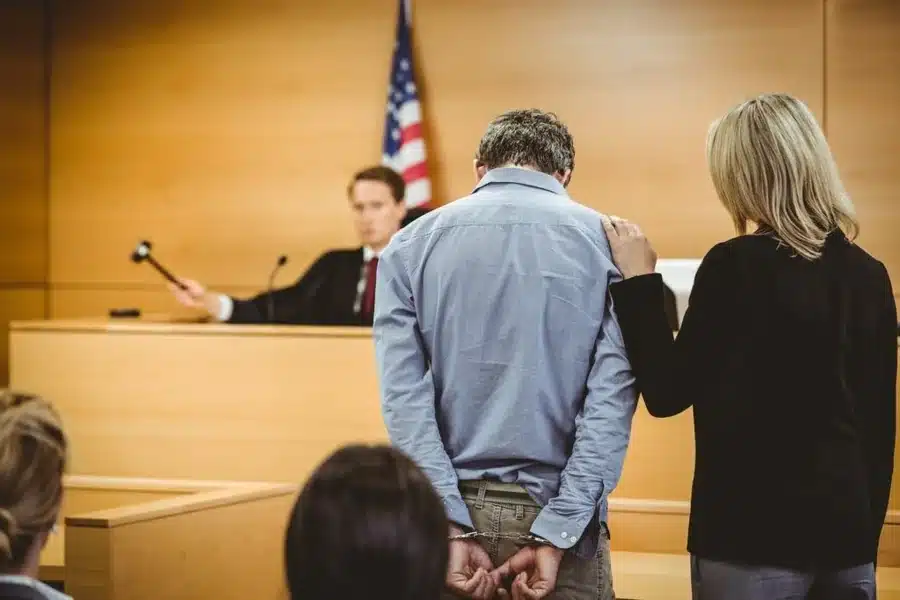
When facing criminal charges, your future is on the line, and the legal strategies your attorney uses can make all the difference. From suppressing evidence to negotiating plea deals, seasoned defense lawyers have a toolbox full of tactics designed to protect your rights and fight for the best possible outcome. When navigating the criminal justice system and seeking experienced guidance, visit eastbaylawpractice.com to connect with attorneys who understand what it takes to achieve a successful outcome. Some of the most effective tactics criminal defense attorneys use include:
1. Thorough Case Investigation
Every strong defense begins with a thorough examination of the facts. A defense attorney does not take the police report at face value; they independently investigate the case, track down witnesses, examine video footage, and scrutinize every detail of the arrest. This step uncovers inconsistencies and procedural mistakes that can be used to weaken the prosecution’s case.
2. Challenging Unlawfully Obtained Evidence
One of the most powerful tools in a defense attorney’s arsenal is the ability to file a motion to suppress evidence. If police conducted an illegal search or seizure, or failed to read your Miranda rights, your lawyer can argue that any evidence obtained during that process is inadmissible in court. Without key evidence, the prosecution’s case can quickly fall apart.
3. Highlighting Reasonable Doubt
In criminal cases, the burden of proof is on the prosecution, which must prove guilt beyond a reasonable doubt. Defense attorneys will focus on exposing gaps in the evidence, unreliable witnesses, or alternative explanations to help the jury see that there’s simply too much uncertainty to convict.
4. Negotiating Plea Deals
Sometimes, avoiding trial is in the client’s best interest. A skilled criminal defense attorney knows how to negotiate with prosecutors to secure reduced charges, lesser penalties, or alternative sentencing options like probation or diversion programs. These negotiations require a deep understanding of the law and an in-depth knowledge of the local court system. As legal systems increasingly explore technological innovations, ongoing debates about the role of a robot judge highlight important questions regarding judicial reasoning, fairness, and the limits of artificial intelligence in legal decision-making.
5. Creating a Compelling Narrative
Juries are made up of people who respond to stories. Great defense lawyers humanize their clients and present a narrative that puts their actions in context. Whether it is showing that a client was defending themselves, made a mistake in judgment, or has taken steps toward rehabilitation, the goal is to earn empathy and understanding from the court.
6. Expert Witness Testimony
When technical knowledge is critical, such as in forensic science, mental health, or digital evidence, defense attorneys call on expert witnesses to break down the details in a way that benefits the defendant. These professionals can challenge the prosecution’s claims and lend credibility to the defense’s arguments.
7. Preparing the Client for Court
From what to wear to how to respond to cross-examination, defense attorneys thoroughly coach their clients. A calm, respectful demeanor in court can influence the jury and judge more than many people realize.
Conclusion
Criminal defense is as much about strategy as it is about law. The right attorney does not just react; they plan, probe, and prepare at every step. If you are in legal trouble and want a team that knows how to fight smart, speak with a lawyer and get the advocacy you deserve.