
Modern Dental Wellness: How Science-Backed Cosmetic and Restorative Care Transform Daily Health
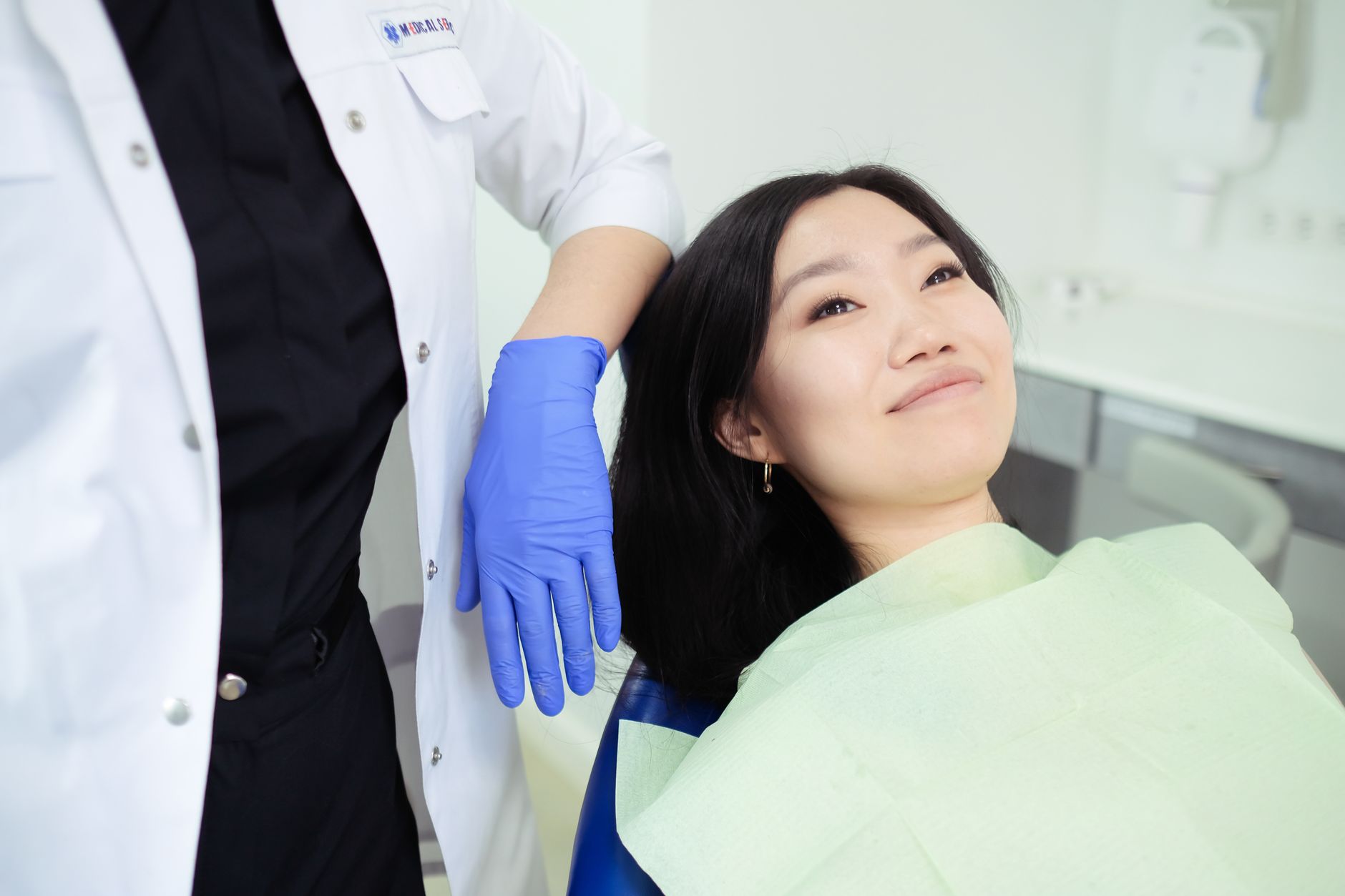
Oral health standards have shifted dramatically over the past decade. Where dental care once focused almost strictly on emergency fixes and routine cleanings, clinical practice now centers on preventive longevity and comprehensive oral wellness.
According to recent epidemiological data from the Centers for Disease Control and Prevention (CDC), nearly 47% of adults aged 30 and older show signs of periodontal disease, while over 90% of adults have had at least one cavity. Beyond the physical discomfort, untreated dental issues directly influence systemic health, increasing long-term risks associated with cardiovascular health, metabolic function, and systemic inflammation.
Achieving a healthy, functional smile requires a dual approach: maintaining structural integrity through preventative routine care and enhancing functionality through precise, modern treatments. This guide explores how contemporary dental strategies bridges aesthetics and function to improve quality of life.
The Intersection of Functional Health and Aesthetics
Many patients treat aesthetic and functional dentistry as two completely separate categories. In modern clinical practice, however, structural alignment and visual appearance are deeply intertwined. Misaligned teeth, uneven wear patterns, and micro-fractures do not merely alter a smile’s appearance—they create mechanical imbalances that impair chewing efficiency, accelerate enamel degradation, and contribute to temporomandibular joint (TMJ) discomfort.
When structural alignment is corrected, patients frequently experience a reduction in jaw tension, improved oral hygiene access, and long-term protection against uneven tooth wear. Address structural issues early prevents complex full-mouth reconstructions later in life.
Key Factors Driving Comprehensive Care Solutions
1.Structural Preservation: Modern restorative materials, such as high-grade ceramics and composite resins, mimic the natural flex strength and light translucency of original tooth enamel while preserving maximum healthy tissue.
2. Periodontal Foundation: Aesthetic interventions are only as stable as the supporting bone and soft tissue. Active gum health management forms the baseline for any functional or cosmetic upgrade.
3. Bite Force Distribution: Restoring proper surface contact across all teeth reduces localized stress points, preventing premature fracturing and root exposure.
Evaluating structural needs alongside cosmetic goals allows clinicians to build personalized treatment plans that deliver long-lasting durability rather than temporary cosmetic fixes.
Evaluating Advanced Dental Interventions and Patient Outcomes
Choosing the right approach to care depends heavily on individual anatomy, lifestyle factors, and long-term oral health goals. From minor tooth preservation to full alignment and restorative care, patients have access to more refined procedures than ever before.
For individuals exploring localized aesthetic and functional enhancements, seeking out an experienced cosmetic dentist in Franklin TN provides access to custom clinical approaches—ranging from minimal-prep veneers to advanced porcelain restorations—tailored to protect natural tooth structure while optimizing alignment and visual symmetry.
To help evaluate common clinical pathways, the table below compares standard approaches to functional and aesthetic restoration:
| Procedure Type | Primary Focus | Material / Method | Typical Longevity | Key Benefit |
| Composite Bonding | Minor chip repair & spacing | Biocompatible resin | 5–7 Years | Minimal enamel removal; completed in one visit |
| Porcelain Veneers | Alignment, shape & discoloration | High-strength ceramic | 10–15+ Years | Highly stain-resistant; customized light reflection |
| Clear Aligner Therapy | Orthodontic bite adjustment | Medical-grade polymer | Permanent (with retention) | Improves cleanability and fixes traumatic bite forces |
| Inlays & Onlays | Partial tooth restoration | Lab-milled porcelain/gold | 15+ Years | Replaces damaged cusps while saving natural root structure |
Selecting the appropriate procedure requires a thorough diagnostic review, including 3D digital imaging and bite analysis, to ensure long-term stability and optimal biological integration.
Practical Steps for Long-Term Oral Health Maintenance
While advanced clinical care provides structural restoration, long-term success relies entirely on daily maintenance and preventive protocols. Neglecting basic home hygiene can compromise even the most sophisticated restorative work.
1.Optimize Mechanical Cleaning: Brush twice daily using a soft-bristled oscillating electric toothbrush and non-abrasive fluoride or hydroxyapatite toothpaste to protect both enamel and restorative materials.
2. Commit to Interdental Care: Traditional string floss or water flossers remove subgingival plaque where toothbrush bristles cannot reach, preventing interproximal decay and localized inflammation.
3. Manage Occlusal Stress: Patients who clench or grind their teeth during sleep should utilize custom nightguards to buffer excessive forces and prevent chip fractures on natural or restored teeth.
4. Maintain Professional Prophylaxis: Schedule professional cleanings and examinations every six months to detect early signs of decay, gum recession, or material wear before they turn into complex clinical problems.
Establishing a consistent, science-backed home routine ensures that high-quality restorative work remains functional and aesthetically sound for decades.
Building a Strong Foundation for Lifetime Dental Health
Achieving optimal oral health requires viewing dental care through a holistic lens—one that balances structural foundation, functional alignment, and aesthetic preference. By addressing minor issues early through conservative restorative techniques and maintaining rigorous preventive habits at home, individuals protect both their smiles and overall systemic health.
When considering comprehensive dental improvements, working closely with qualified practitioners ensures every treatment plan honors natural anatomy while delivering predictable, long-lasting outcomes. Priorities shifted toward early intervention and biological preservation always yield the highest returns for lifelong health.