
Modern Preventative Dentistry: Strategies for Long-Term Oral Health and Family Wellness
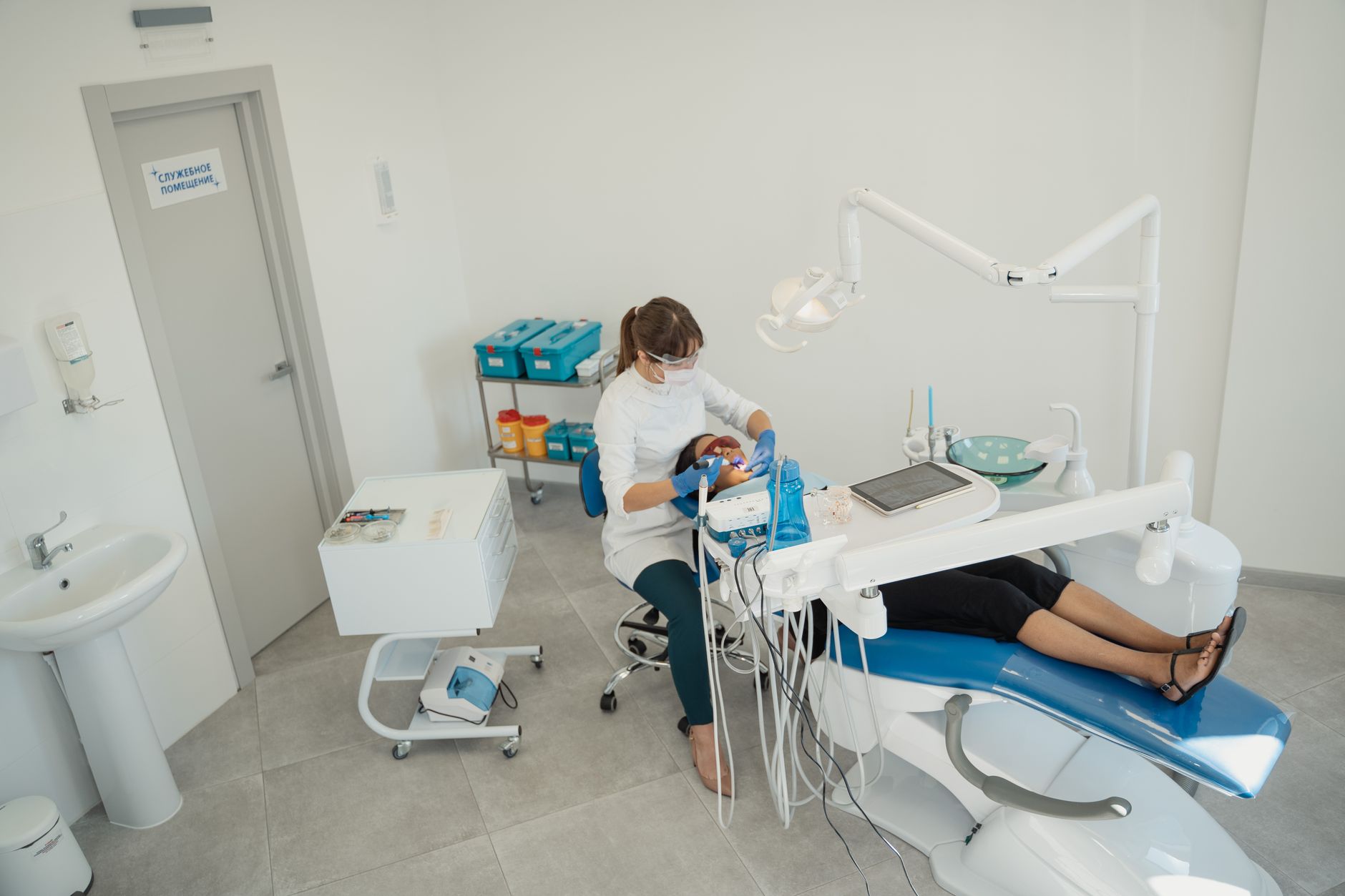
Maintaining optimal oral health across every stage of life requires a proactive shift from reactive treatments to modern preventative care. While brushing twice a day remains a foundational habit, comprehensive family dental care involves understanding the complex mechanics of oral microbiomes, systemic disease connections, and structural bite alignment. Data shows that over 40% of children experience dental caries by age 19, and nearly 25% of working-age adults live with untreated cavities. Preventing these issues requires a deliberate approach that combines consistent home care with advanced clinical intervention. Establishing a reliable routine with a trusted care provider ensures that early signs of enamel wear, soft-tissue inflammation, or structural shifts are identified before requiring invasive procedures.
Navigating modern preventative standards
Preventative dentistry has evolved far beyond basic cleanings. Modern care frameworks focus heavily on risk assessment, early diagnostic imaging, and customized home-hygiene protocols designed to protect enamel integrity and gum health.
The science of oral microbiomes and plaque management
Plaque is a bio-film of bacteria that continuously forms on tooth surfaces. When exposed to sugars and refined carbohydrates, these bacteria produce acids that strip essential minerals from tooth enamel. Over time, this demineralization creates microscopic fissures that eventually develop into cavities.
Daily removal of this bio-film through targeted brushing and interdental cleaning prevents plaque from hardening into tartar, which can only be removed using professional clinical instruments. Modern preventative protocols often include prescription-strength fluoride rinses, remineralizing paste therapies, and dental sealants applied to the deep grooves of molars to seal out decay-causing bacteria.
Early detection and soft-tissue evaluation
Preventative visits serve as a critical defense line for soft-tissue health. Periodontal disease begins subtly as gingivitis, characterized by minor inflammation or bleeding during brushing. Left unchecked, it progresses to periodontitis, destroying the bone structures supporting the teeth.
- Digital radiography allows clinicians to detect interproximal cavities between teeth long before they become visible to the eye.
- Periodontal probing measures pocket depths around each tooth to identify early bone loss and subgingival bacterial accumulation.
- Systematic oral cancer screenings evaluate soft tissues for cellular changes, maximizing successful intervention rates through early detection.
Building a lifelong care framework for families
Family dental health demands a flexible care strategy that adapts to different developmental stages. From toddlerhood through senior care, oral health priorities shift significantly.
Pediatric oral care and childhood habits
Children require specialized preventative attention to ensure primary teeth guide permanent teeth into proper alignment. Early exposure to clinical visits reduces dental anxiety and establishes positive oral hygiene habits. Pediatric preventative measures often focus on habit management, including monitoring thumb-sucking, implementing mouthguards for active youth, and delivering targeted dietary guidance to minimize frequent acid exposure from fruit juices or snacks.
Adult care, restorative balance, and routine visits
As adults age, structural wear, dental restorations, and systemic health conditions introduce new challenges. Hormonal changes, stress-related teeth grinding (bruxism), and medications that induce dry mouth (xerostomia) can dramatically increase decay risks. Finding a compassionate dentist in harrison tn allows patients to establish personalized preventative regimens tailored to these evolving physiological factors. Establishing continuity of care with an experienced clinical team ensures that subtle changes in gum attachment levels, biting forces, or existing fillings are tracked consistently over time.
The systemic link between oral health and overall wellness
Oral health does not exist in isolation from the rest of the body. Extensive medical research underscores a direct, bi-directional relationship between periodontal health and chronic systemic conditions.
Cardiovascular health and systemic inflammation
Pathogenic bacteria responsible for severe gum disease can enter the bloodstream through inflamed gum tissue. Once in circulation, these bacteria contribute to systemic inflammation and arterial plaque formation, elevating the risk of cardiovascular disease, stroke, and hypertension. Managing gum inflammation through routine professional scaling and root planing significantly reduces the overall systemic inflammatory load on the body.
Metabolic health and diabetes management
The connection between periodontal disease and diabetes is well-documented. Chronic oral infections make it significantly harder for the body to regulate blood glucose levels. Conversely, elevated blood sugar levels weaken the immune system’s response to oral bacteria, creating a challenging cycle. Maintaining strict preventative dental routines helps individuals with metabolic conditions maintain stabilized blood sugar levels and protect soft-tissue health.
Designing a sustainable home hygiene strategy
Professional dental visits form one half of effective oral care; daily home habits form the other. Implementing an evidence-based daily regimen maximizes the longevity of your natural teeth.
- Brush twice daily using a soft-bristled electric toothbrush angled at 45 degrees toward the gumline to sweep away plaque without damaging enamel or irritating soft tissues.
- Utilize string floss, interdental brushes, or water flossers daily to clear bio-film from tight spaces that standard toothbrushes cannot reach.
- Incorporate non-alcoholic fluoride or antimicrobial mouthwashes to reduce overall bacterial counts and strengthen enamel surfaces against acid attacks.
- Stay hydrated throughout the day to support natural saliva production, which neutralizes acids and washes away loose food particles naturally.
Prioritizing preventative dental care protects your smile, saves time, and preserves long-term financial resources. By combining consistent daily home care with routine professional evaluations, families can maintain healthy, functional smiles for a lifetime. If you have not scheduled your routine oral health assessment recently, contacting a local practice today is the most effective step toward securing your family’s long-term wellness.