
Overcoming Dental Anxiety: Modern Solutions for Stress-Free Oral Healthcare
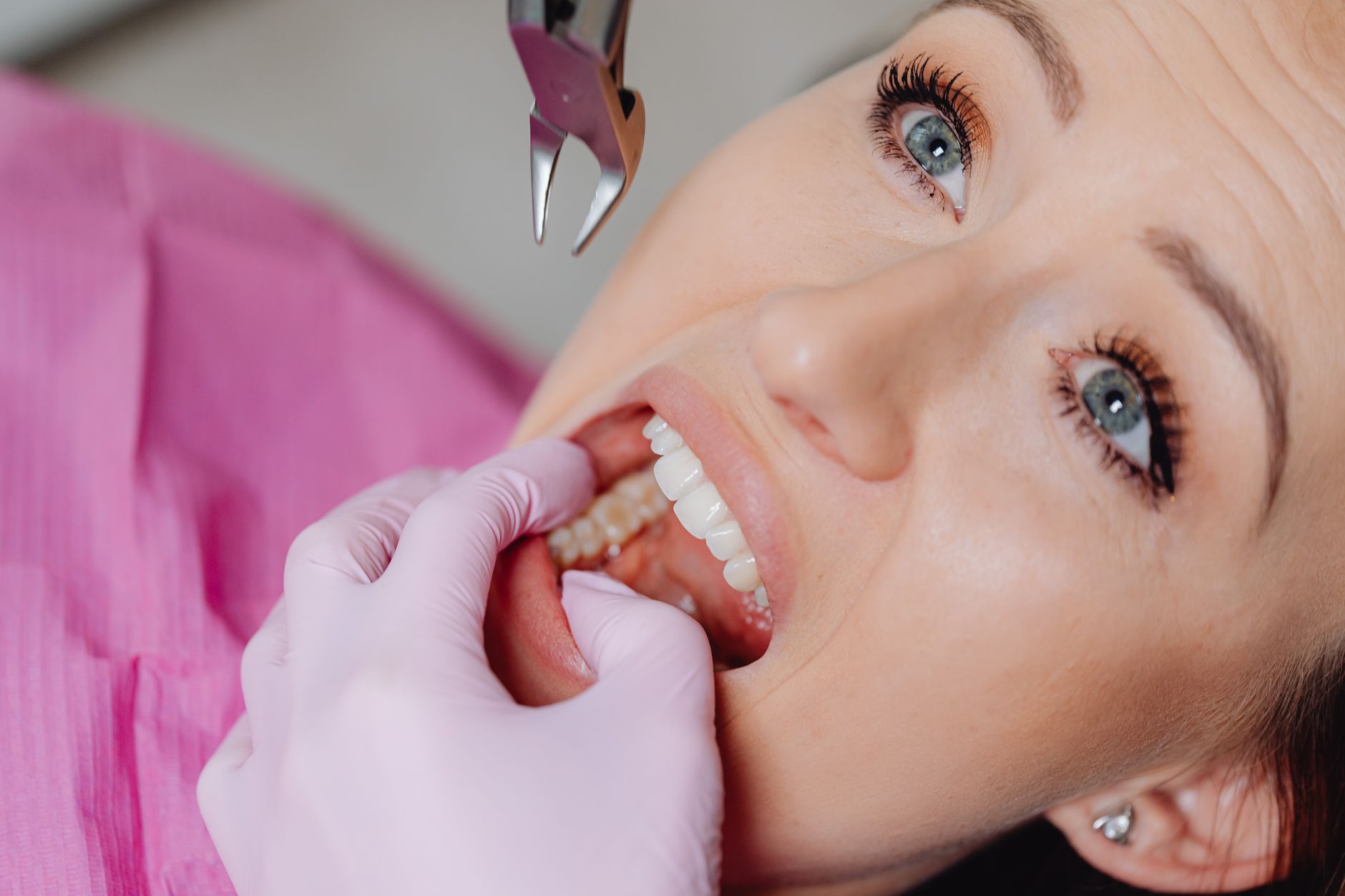
Dental anxiety affects roughly 36% of the population, with an additional 12% suffering from extreme dental fear. For many families, this apprehension creates a quiet crisis: routine checkups get postponed, minor cavities progress into painful infections, and overall health suffers as a result. The traditional mindset that dental visits must be endured through sheer willpower is rapidly giving way to a modern standard of care focused on patient comfort and biological safety.
Today’s dental practices increasingly prioritize stress-free experiences. By combining evidence-based sedation techniques with customized treatment plans, practitioners can help even the most fearful patients restore their oral health without pain or emotional distress.
Understanding the Root Causes of Dental Fear
Dental anxiety rarely exists in a vacuum. Understanding where this fear originates helps patients and providers select the most effective interventions.
- Past Traumatic Experiences: Many adults carry vivid memories of painful procedures performed during childhood or before modern anesthetic methods were standard practice.
- Fear of Loss of Control: Lying flat in a chair with tools in motion can trigger a sense of helplessness, particularly for individuals who thrive on autonomy.
- Sensory Overload: High-pitched sounds, sharp light, and distinct clinical smells create a sensory storm that elevates heart rate and triggers the body's fight-or-flight response.
- Embarrassment Over Oral Health: Patients who have avoided the dentist for years often feel intense shame about the condition of their teeth, leading to further delay.
Addressing these triggers requires more than gentle words; it demands specialized protocols designed to calm the nervous system during treatment.
The Spectrum of Modern Dental Sedation
Modern dentistry offers a range of options to tailor the level of relaxation to the patient's anxiety and the complexity of the procedure.
Minimal and Moderate Sedation
Nitrous oxide, commonly known as laughing gas, remains one of the safest and most efficient options for mild anxiety. Inhaled through a small nose mask, it induces a state of light relaxation within minutes and wears off quickly enough for patients to drive themselves home.
For moderate anxiety, oral conscious sedation involves taking a prescribed medication prior to the appointment. While you remain awake and responsive to verbal cues, the medication creates a deep state of calm, making time seem to pass rapidly.
Deep Sedation and General Anesthesia
For complex surgical cases, severe phobias, or patients with special needs, deeper levels of relaxation are necessary. Under deep sedation or general anesthesia, patients enter a sleep-like state where they feel no pain and retain no memory of the procedure.
When evaluating options for full-mouth restorations, wisdom tooth extractions, or severe dental phobias, consulting with experts in Sleep dentistry in Springfield VA provides access to board-certified anesthesiologists who monitor vital signs throughout the entire process. This level of oversight ensures maximum safety while complex care is completed in a single, stress-free visit.
Practical Strategies for Families to Ease Dental Anxiety
While professional sedation provides a medical solution to anxiety, behavioral tools play a critical role in long-term comfort.
- Establish Open Communication Early: Inform your dental team about specific fears before sitting in the chair. Agree on a hand gesture, such as raising a left hand, that signals the dentist to stop immediately.
- Normalize Visits for Children: Introduce kids to the dentist by age one or when their first tooth erupts. Frame visits as routine maintenance rather than something to fear, and avoid using words like "hurt" or "shot."
- Utilize Distraction and Noise Cancellation: Bring noise-canceling headphones to stream music, audiobooks, or podcasts during the appointment to block out equipment sounds.
- Practice Controlled Breathing Techniques: Slow, deep abdominal breathing (four seconds in, four seconds out) helps counteract the physical symptoms of anxiety by lowering heart rate and muscle tension.
Restoring Oral Health and Quality of Life
Postponing dental care due to fear creates a cycle that ultimately leads to more complex, costly, and invasive procedures. Taking proactive steps to manage anxiety transforms oral healthcare from a source of stress into a manageable routine.
Whether you require a simple cleaning, restorative work, or extensive surgery, modern sedation options make comfortable treatment accessible. What strategies or accommodations have made the biggest difference in helping you or your family feel comfortable at the dentist?