
Practical Tips to Maximize Space in Your Small Home
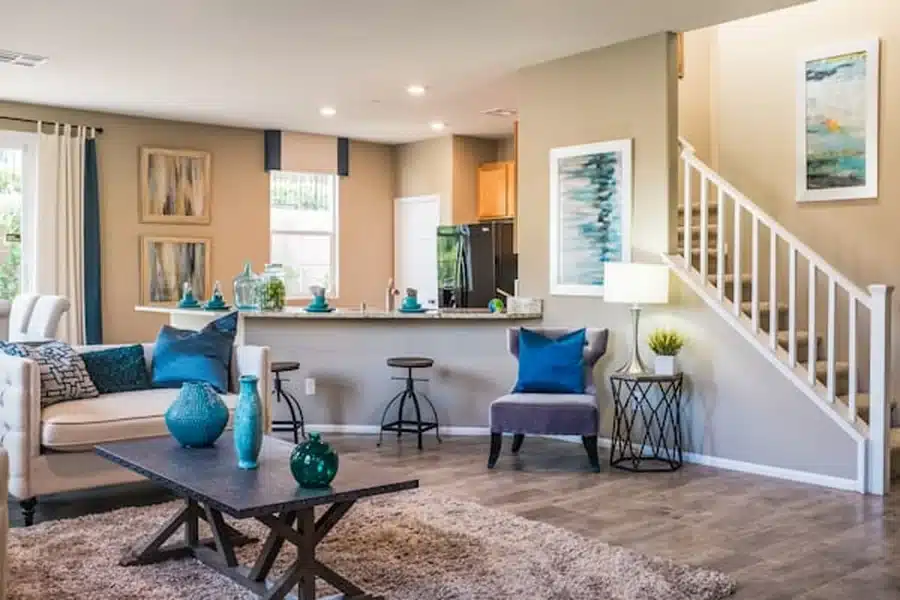
Small homes can feel cramped fast, especially when daily life brings in more stuff than the space was originally designed to hold. However, homeowners often do not have the budget to move to a bigger house, considering the skyrocketing real estate prices.
Let us take Fort Collins, Colorado, as an example. According to Redfin, the median sale price of a home here was $535K in February, up 3.2% since last year. Rather than upsizing, reworking with your current space makes sense, and some simple steps can do the trick. For example, hiring a professional organizer in Fort Collins is the first step.
Several other steps can help make your compact space feel comfortable, organized, and attractive. The key is to be intentional about what you keep, how you store it, and how each room serves your daily routine.
In this article, we will share a few practical tips that can transform your small home into a spacious one.
Declutter Ruthlessly
Clutter can make small spaces appear even smaller. Unfortunately, many Americans fall prey to the habit of accumulating it over time. An article published in the Pennsylvania Association of Realtors cites a survey study revealing that nearly half of Americans say they have at least one room in their home so cluttered it feels beyond salvaging.
For many, the major issue stems from limited space. However, the good thing is that it is easy to get rid of extra stuff in your home. You can reduce the clutter by sorting your belongings and keeping only what is truly valuable or a treasure. Donate, recycle, or sell the items that haven’t served a purpose in the past year.
Decluttering is only half the work, and you need to commit to avoid falling back into the same habit again. Be minimalistic and selective, because less stuff equals less stress and more freedom to enjoy your space every day.
Organize with Intention
Once you get rid of all the extra stuff in your space, organizing what you have is the next step. A well-organized space appears bigger than one where things are just lying around. Clutterless Home Solutions recommends a tailored organizing plan that matches your needs.
Organizing does not only include storage. It is more about creating systems that fit your lifestyle. Assign every item a place that makes sense for daily use, and label bins or baskets for easy access. Store seasonal items out of sight but within reach, like in under-bed boxes or attic shelves.
Smart organization eases routines, decreases cleaning time, and provides visual calmness. You may also hire a professional organizer or tackle one room at a time. But aim for thoughtful placement that keeps your living areas open and flowing.
Utilize Vertical Spaces
If your home’s square footage is limited, you can utilize vertical space to overcome the constraint. Your walls hold untapped potential and may be utilized for several purposes. You can install floating shelves, tall bookcases, or hanging storage in the kitchen, garage, or office to free up floor space.
According to Better Homes & Gardens, the back of the door areas, tall closet shelves, closet floor, under the bed, and under the sink are ideal for vertical storage. However, the one vertical space that you should always avoid is the free space available above your cabinets. This is because it is always accumulated with dust and is highly inaccessible.
Hooks and pegboards keep essentials visible and placed without cluttering surfaces. You may also use vertical areas that draw the eye upward. This creates the illusion of height and spaciousness even in small spaces.
Invest in Multifunctional Furniture
In smaller homes with limited space, storage is often a concern. While vertical storage solutions help, you may still need extra space to store your belongings. Furniture that serves multiple purposes is a game-changer for compact homes.
You may go for pieces like ottomans with hidden storage, fold-out desks, or sofa beds for guests. Even a simple bench with compartments helps keep things tidy. In this way, every item doubles as a seat, shelf, or workspace. Therefore, it helps reduce the need for extra furniture and opens the layout for comfort and flow.
Multifunctional furniture also adds versatility to your lifestyle, allowing rooms to transform effortlessly from living to working or relaxing areas. It’s a practical and aesthetic investment for anyone seeking to make the most of smaller homes.
Opt for the Right Colors
Light hues reflect natural light, thereby making rooms appear ventilated and open. An article published in Country Living reveals six paint colors that instantly make small spaces feel bigger. These are crisp whites, cheerful yellows, natural greens, rich teals, dark colors, and anything with a sheen.
You may also choose colors that create a joyful atmosphere, or pick those that work best with the natural light. Keep the palette cohesive in a way that walls, furniture, and textiles are painted in light shades.
However, light shades should not make your home appear bland. You can add pops of color with decor elements like cushions or plants for personality without overwhelming the eye. An accent wall in a dark shade can bring the element of drama if you want to experiment a bit.
FAQs
How to arrange your furniture to maximize space?
You can place larger pieces against walls to open walking paths and group furniture according to function. Do not block the windows or doors, and use rugs to define zones within open layouts. Compact or modular spaces help create motion and balance while keeping your home feeling spacious and accessible.
What is minimalist decor?
Minimalist decor focuses on simplicity, clean lines, and quality over quantity. Each item serves a purpose or adds aesthetic value. This establishes calm through uncluttered surfaces and thoughtful detail. Light colors, natural materials, and negative space are key elements that support a serene, organized living environment.
How often should you declutter your home?
A quick declutter every three months keeps the accumulation of items under control. Conversely, a deeper purge once or twice a year ensures lasting order. Regular reviews prevent closets and drawers from overflowing and allow you to refresh your space seasonally, thereby keeping your home functional and livable.
Maximizing space in a small home is a combination of creativity, discipline, and thoughtful design. Following these tips strategically can help you transform a compact area into a functional, stylish retreat. Every square foot counts, so let storage serve style and intention guide placement. A clean, well-lit home always looks bigger and feels more peaceful and efficient, turning your limited space into a haven of comfort and charm.