
Stair Runner Ideas: Stylish Carpet Runners for Every Staircase
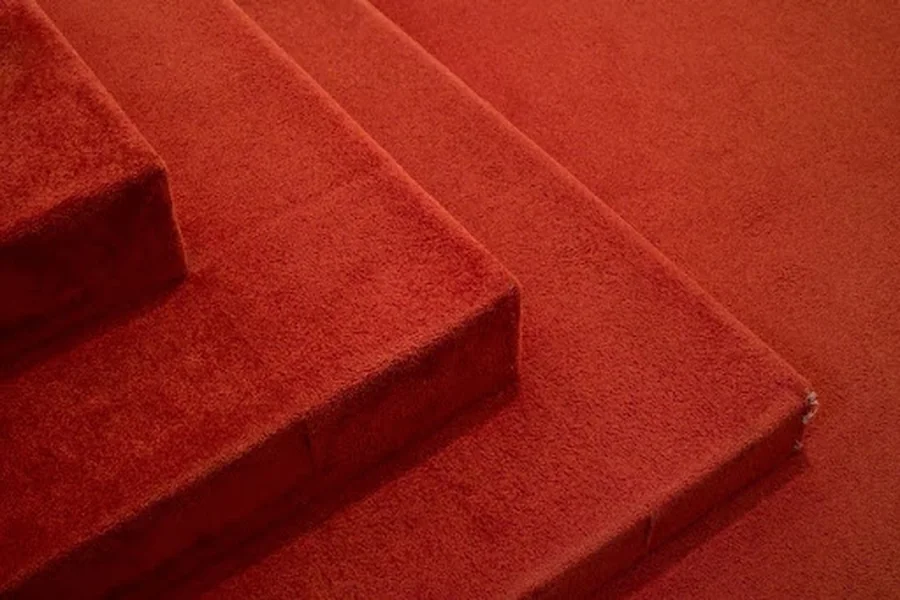
Staircases are the focal point of a home entry, setting the tone for the interior. Adding a runner transforms plain steps into a comfortable walkway that absorbs sound and protects hardwood from wear.
The right floor covering adds texture, warmth, and visual interest to connected living spaces. Choosing a design involves balancing daily durability with personal aesthetic preferences. Simple upgrades to your steps can upgrade your home interior in just a weekend.
Finding the Ideal Fit for Your Home
Measuring your staircase accurately forms the foundation of a successful renovation project. When you browse stair runners online or in stores, keeping precise tread dimensions nearby helps you select the correct width. Most residential steps accommodate widths between 27 inches and 32 inches.
Leaving three to four inches of exposed wood on each side creates a balanced visual frame. The space highlights existing woodwork and keeps footsteps cushioned along the central path. Straight steps require straightforward measurements, but curved flights demand custom planning for each tread.
Proper padding underneath prolongs the lifespan of carpet material. Rubberized underlayment prevents slipping and adds an extra layer of comfort underfoot. Investing in quality underlayment keeps the fabric securely anchored during daily foot traffic.
Bold Patterns and Visual Statements
Patterned designs quickly transform plain hallways into eye-catching focal points. Geometric shapes, herringbone weaves, and modern motifs bring energy to quiet architectural spaces. Patterned stair runners are seeing a 45% increase in searches as homeowners look for bold ways to add personality to entryways.
Selecting a pattern requires attention to scale and direction. Small motifs work best on narrow treads, preventing the visual layout from feeling overcrowded. Vertical stripes stretch the perceived height of a stairwell, directing the eye smoothly from the ground floor upward.
Color selection impacts how patterns integrate with surrounding decor. Neutral bases with dark accents offer balance without overwhelming nearby room colors. High-contrast combinations create immediate drama, ideal choices for wide entry foyers.
Natural Organic Fibers for Texture
Plant-based materials bring rich texture and organic warmth into multi-story homes. Natural fiber stair runners made of sisal and jute saw a 30% rise in modern home renovations this year. These materials complement coastal, rustic, and modern minimalist design aesthetics. Natural options offer distinct characteristics that suit specific household needs:
- Sisal features tough fibers capable of handling heavy foot traffic
- Jute provides a softer feel underfoot with gentle natural tones
- Seagrass repels liquid spills due to its smooth surface coating
- Wool-blend naturals combine soft comfort with long-lasting structural strength
Applying protective spray coatings guards raw fibers against moisture stains. Regular vacuuming with a suction-only attachment keeps dust from settling deep inside the natural weave. Proper maintenance keeps organic materials looking fresh for years.
Durable Synthetic Options for High Traffic
Active homes require floor coverings that withstand heavy daily usage without showing wear. Installing synthetic fibers like nylon in high-traffic stairways offers stain resistance for busy households. Modern textiles resist crushing, keeping their plush texture after years of continuous movement.
Polyester and polypropylene options present budget-friendly choices for growing families. Synthetic yarns resist fading when exposed to direct sunlight through nearby windows. Quick cleanup properties make them ideal for homes with young children or active pets.
Low-pile construction on synthetic carpets minimizes tripping hazards on steep steps. Dense loop structures retain shape better than loose cut-pile designs under heavy pressure. Selecting performance fibers provides long-term value.
Decorative Accessories and Stair Hardware
Hardware accents provide a refined finishing touch to newly installed floor runners. Metal stair rods placed at the crevice of each step add classic architectural character. Finishes ranging from aged brass to matte black allow homeowners to match existing lighting fixtures.
Rods act primarily as decorative elements in modern installations. Carpet staples or heavy-duty adhesives secure the runner safely to each riser and tread. Adding metallic hardware creates a polished look that elevates the home design.
Edge binding offers another avenue for customization and color contrast. Canvas or leather borders prevent fraying along the sides of the runner material. Choosing a contrasting border color frame defines the walkway line clearly.
Installation Methods and Preparation
Proper surface preparation guarantees a smooth installation process from start to finish. Treads must be cleaned thoroughly, dried, and repaired before placing any padding down. Sanding rough spots prevents uneven wear patterns from developing on the textile underside.
Do-it-yourself installers use pneumatic staple guns for secure attachment. Fasteners are concealed underneath pile fibers near the base of each step riser. Professional installers keep tension uniform across all steps to eliminate loose fabric bubbles.
Waterfall installations wrap material over the nose of each tread directly down to the next step. Hollywood installations tack fabric snugly beneath the tread lip before dropping down the riser. Both methods provide distinct visual profiles for traditional or contemporary settings.
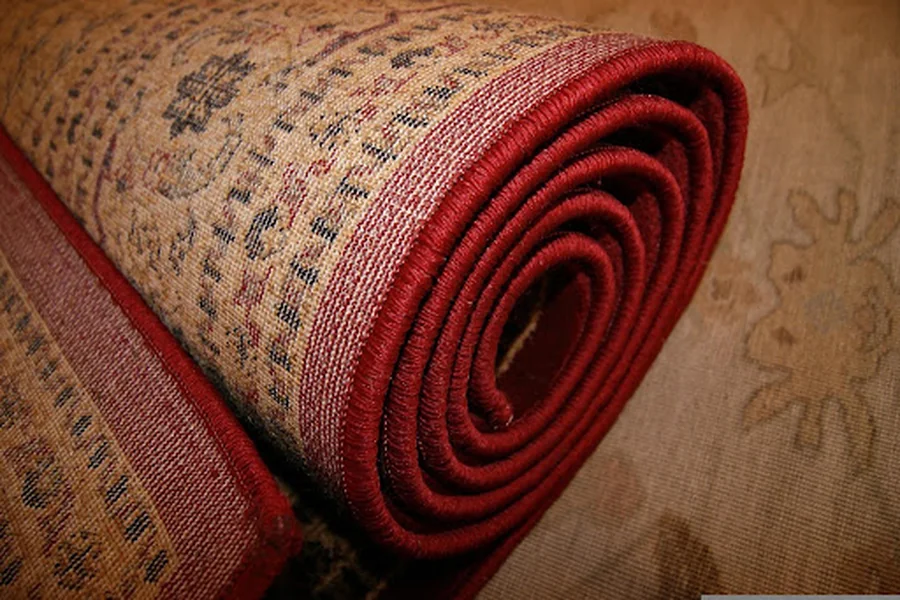
Transforming your staircase with a stylish carpet runner improves both safety and home aesthetics. Careful consideration of fabric types, width dimensions, and decorative accents supports a long-lasting outcome. Customizing your steps creates a welcoming entryway that reflects your personal home style.