
The Process HVAC Contractors Follow When Replacing Aging Duct Systems
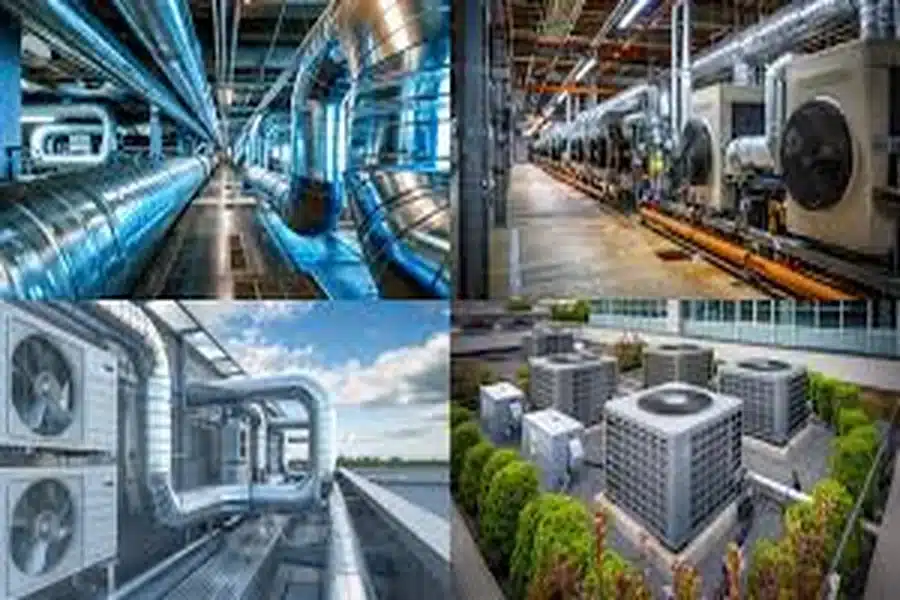
When HVAC systems age, ductwork often becomes inefficient, leading to uneven airflow, energy loss, and declining indoor comfort. Contractors handling duct replacement follow a structured process that ensures safety, accuracy, and system performance. The work begins with evaluating existing ducts, identifying damage, and determining whether repair or full replacement is needed. Proper planning helps avoid disruptions and ensures compatibility with the new system layout.
Measurements, airflow calculations, and material selection play a major role in shaping the project. Once preparation is complete, removal and installation proceed in phases to maintain building functionality throughout. This ensures consistent system performance.
Step-by-Step Replacement Workflow Overview
Initial System Inspection and Diagnostics
Contractors begin the replacement process with a detailed inspection of the existing duct system to understand its condition and performance limitations. This stage involves examining visible duct runs, checking for corrosion, leaks, disconnected joints, and signs of restricted airflow. Technicians may also use diagnostic tools to measure pressure differences and identify hidden inefficiencies within walls or ceilings. The goal is to build a clear picture of how the system currently functions and where improvements are needed. This evaluation also includes a review of the building layout to understand how air is distributed across rooms and zones.
In many cases, older duct systems are improperly sized or poorly sealed, which significantly impacts efficiency. The findings gathered during this stage guide every decision that follows, ensuring that replacement work is based on accurate information rather than assumptions. Careful documentation helps maintain consistency throughout the project and supports effective planning for new duct installation.
Planning Replacement Strategy and Material Selection
After assessment, contractors move into planning the replacement strategy, ensuring that the new duct system aligns with the building’s airflow requirements and structural conditions. This stage may involve customized design considerations, especially in commercial environments such as Fort Worth, TX, where climate control demands can vary significantly throughout the year. Material selection becomes a key factor, with contractors choosing duct types that balance durability, airflow efficiency, and long-term performance. Measurements are refined during this phase to ensure precise fitting and minimize air leakage once installation begins.
Detailed planning also helps reduce unexpected adjustments during installation, allowing work to proceed in an organized manner. Coordination with other building systems, such as electrical and structural frameworks, is also considered to prevent conflicts during installation. Clear timelines are established so that occupants experience minimal disruption while the replacement work progresses efficiently. Budget considerations are reviewed alongside technical needs to ensure the project remains practical and well-structured. Communication between contractors and property managers supports smooth decision-making during this phase. ensures success
Careful Removal of Old Ductwork
Once planning is complete, contractors proceed with the careful removal of existing ductwork, ensuring that surrounding structures remain undamaged. This step often requires working in confined spaces such as ceilings, crawl spaces, or behind walls where ducts are installed. Technicians use protective coverings and controlled cutting techniques to prevent debris from affecting other parts of the building. During removal, careful labeling of sections helps maintain clarity for installing new duct pathways. Old insulation materials are also assessed and removed where necessary to ensure a clean foundation for replacement. Safety measures are emphasized throughout this stage to protect both workers and occupants during the removal process.
Proper disposal of removed materials is managed in accordance with environmental and building regulations. Contractors also verify that no remaining fragments obstruct the routes for new duct installation or compromise the airflow design. Detailed inspection follows removal to confirm readiness for the next phase of installation. Final clearing ensures the workspace is prepared. Teams coordinate cleanup procedures to maintain safe working conditions. workflow continues smoothly
Installing New Duct Systems
After removal is complete, contractors begin installing the new duct system according to the planned layout and airflow design. This stage involves assembling duct sections, securing joints, and ensuring airtight connections throughout the network. Careful alignment is maintained to guarantee that airflow moves efficiently across all designated zones. Support structures and hangers are installed to keep ductwork stable and properly positioned. Insulation is applied where necessary to improve thermal efficiency and reduce energy loss. Technicians also integrate the new ducts with existing HVAC components to ensure system compatibility. Pressure testing is conducted to confirm that the system is sealed properly and functioning as intended.
Any minor leaks or misalignments are corrected immediately to maintain optimal airflow performance. Coordination between installation teams ensures that different sections of the system are completed in sequence. Final adjustments are made to improve airflow balance across all rooms and zones. System calibration ensures efficient long-term operation of the duct network. Post installation checks verify performance consistency and structural integrity. records installation details for reference
System Testing and Airflow Verification
Once installation is complete, contractors conduct comprehensive testing to ensure the new duct system operates efficiently and safely. This includes checking airflow distribution across all rooms and measuring pressure levels within the system. Testing equipment is used to identify any inconsistencies in air delivery or system balance. Contractors ensure that all components work together without restriction or leakage. Adjustments are made where necessary to fine-tune airflow and improve overall performance. Balancing dampers are calibrated to ensure even air distribution throughout the building. Noise levels are also evaluated to confirm that the system operates quietly without vibrations. Thermal efficiency is measured to verify that insulation and duct sealing are performing as expected.
Final system adjustments are documented for long-term maintenance and performance tracking. Airflow readings are compared against design specifications to confirm accuracy. Technicians review results collaboratively to ensure system reliability across all zones. Any deviations are corrected promptly to maintain balanced airflow performance. Final inspection confirms readiness for continuous operation. Reports summarize system performance outcomes. for future reference
Final Adjustments and Quality Assurance
Before completing the project, contractors perform final adjustments to ensure the duct system operates at optimal efficiency. This stage focuses on refining airflow balance, sealing any remaining gaps, and confirming structural stability. Every section of the ductwork is reviewed to ensure consistent performance across the entire system. Minor adjustments are made to dampers and connectors to eliminate inefficiencies. Contractors also verify that insulation remains properly installed and effective. System performance is evaluated under different operating conditions to ensure reliability. Air distribution patterns are checked carefully to prevent uneven heating or cooling zones. Documentation is finalized to record all changes made during the installation process.
Quality assurance checks confirm that the system meets required performance standards. Technicians review energy efficiency outcomes to ensure long-term operational savings. Final walkthroughs are conducted to verify that all components function correctly. Airflow consistency is measured across all rooms to confirm system balance. Any final corrections are completed before system handover. Long-term monitoring recommendations are provided for maintenance teams. to ensure lasting system performance
Efficient Duct Replacement Outcomes
Replacing aging duct systems requires careful coordination, technical planning, and structured execution at every stage. From initial inspection to final adjustments, each step contributes to improved airflow, energy efficiency, and indoor comfort. Contractors rely on accurate measurements, thoughtful material selection, and precise installation methods to ensure the new system performs reliably. The process also minimizes disruptions to occupants while upgrading essential infrastructure.
Once completed, the new ductwork supports consistent temperature control and reduces energy waste. Ongoing maintenance further preserves system performance and extends operational life. Overall, the replacement process strengthens building efficiency and long-term environmental balance for better performance