
What to Look for When Choosing Durable Pet Turf for Active Dogs
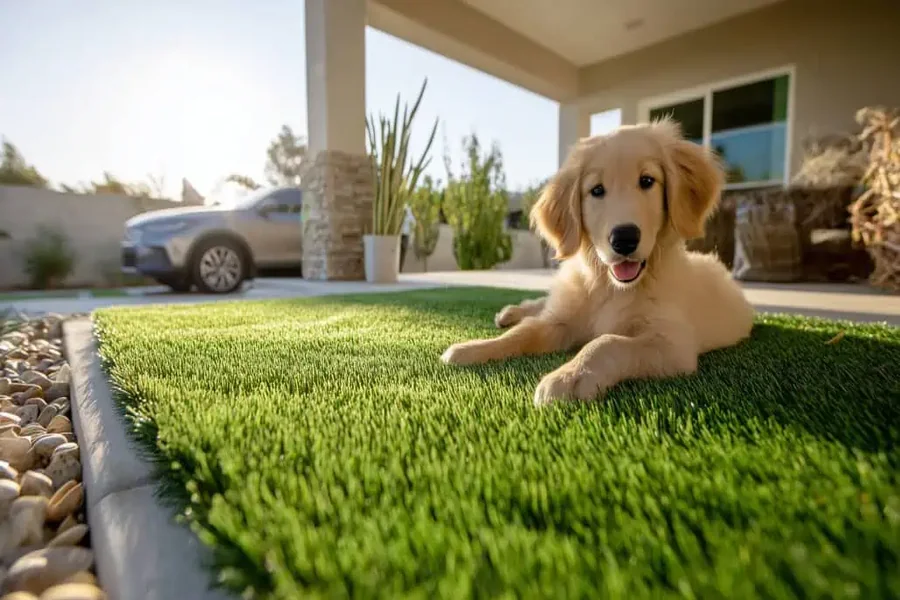
Active dogs place real mechanical stress on a yard. Fast starts, tight turns, repeated landings, and urine exposure can leave the soil compacted, the grass thin, and the paws coated in mud. A sound turf choice should protect worn zones without creating heat, odor, or unstable footing. Owners get better results by judging drainage, surface texture, edge security, and daily care needs before placing a roll outside.
Match Turf to Dog Habits
Breed size, stride length, play style, and favorite routes all shape turf demand. Before choosing a dog turf, owners should watch where their pets run, play, and rest after exercise. Those habits show pressure points that product photos cannot. A narrow run may need one strip, while a yard used for fetch may need broader coverage.
Check Traffic Rating
Daily paw impact can crush weak fibers and loosen thin backing. Heavier material usually holds shape better near gates, patios, fence corners, and door exits. Owners should compare product weight, backing type, roll width, and the listed use case. A surface sized for steady movement helps prevent thin patches, lifted edges, and uneven footing after repeated play.
Look at Drainage
Urine and rain need a direct path through the turf. Slow drainage leaves moisture near the surface, which encourages odor and slick footing. Open grids or perforated backing help liquid reach soil below. This matters in shaded yards, compacted clay, and low spots where water lingers. Faster drying also lowers bacterial buildup after frequent potty breaks.
Prioritize Paw Comfort
Good turf gives traction without scraping paw pads. Fibers should feel firm enough for grip, yet smooth enough for repeated contact. Shorter pile heights often suit quick turns, senior dogs, and pets with joint sensitivity. A stable surface can reduce slipping during takeoff. Comfort also matters for dogs recovering from sore pads, nail injuries, or mild gait changes.
Choose Ground-Friendly Design
Some products protect grass while allowing it to return to life. Open patterns let water, light, and air reach crowns and roots. That support helps thin areas recover rather than remaining sealed beneath plastic. As blades grow through the material, soil gains more hold. This option suits owners who want reinforcement without covering the entire lawn.
Review Installation Needs
Installation quality affects safety as much as product choice. Rolls should cut cleanly around curves, posts, steps, and narrow traffic lanes. Anchors help hold edges flat before dogs sprint across the surface. Overlap between pieces can reduce gaps where claws catch. Loose corners should be fixed right away because chewing, lifting, and trapped soil often start there.
Measure Before Buying
Accurate measurement prevents awkward joins and short coverage. Owners should record length and width for each damaged section, then add a modest margin. Irregular spaces can be divided into simple rectangles. Product coverage per roll helps estimate material needs and cost. A little extra turf can cover developing wear paths before soil becomes exposed.
Think About Mowing
Turf used over living grass should not disrupt normal mowing. Low profiles usually work better because mower blades can pass above anchored material. Raised edges, misplaced stakes, or thick overlaps may snag equipment. Owners should check the first cut carefully and adjust any high points. Routine lawn care keeps the covered area cleaner and more stable.
Compare Odor Control
Odor control starts with moisture movement, not fragrance. Dense backing that traps urine can hold ammonia near paws and noses. Better airflow, rinsing access, and quick drainage reduce that risk. Small potty areas may still need regular washing, especially during hot weather. Owners should choose surfaces that allow waste to be removed without forcing liquid to pool.
Check Edge Stability
Edges absorb repeated force from claws, mower wheels, and shifting soil. Firm borders help turf stay flat during sudden turns. Anchors should sit flush so paws do not strike raised hardware. Roll seams need tight contact without bulky ridges. Doorways, steps, and gate openings need extra inspection because dogs often launch from those points.
Consider Sun and Shade
Temperature and drying speed change across a yard. Full sun can quickly warm synthetic surfaces, especially during summer afternoons. Shade may feel cooler, but it often dries more slowly after rain or rinsing. Owners should test surface warmth with a hand before long play. In damp zones, drainage and airflow deserve more weight than color or pile height.
Conclusion
Durable pet turf should be chosen based on how a dog actually moves, eliminates, and rests outdoors. Active pets need a secure footing, quick drainage, stable edges, and a texture that protects paws during repeated use. Owners should measure worn zones, review anchoring, plan cleaning, and consider mowing before buying. Careful selection can reduce mud, protect grass, and keep daily play healthier.