
5 Advanced Foundation Pier Systems Offered by Level Tech Lifting for Lasting Support
The integrity of the structural integrity of a building gets affected in case there are signs of subsidence in the bottom section of the home. Indicators like cracks on walls, sticking doors and tilting floors show that the soil underneath your home is settling or sinking. This issue must be sorted out in order to avoid damaging your home and decreasing its value.
Foundation Piering offers a permanent fix. It involves getting past the poor soil and anchoring your home into good soil. Level Tech Lifting specializes in structure stabilization services. It makes use of piering systems which are designed specifically for every type of soil and every load of a building. If you understand how these systems operate, then you will choose the best Foundation Repair for a lifetime.
What Are Foundation Pier Systems and How Do They Work?
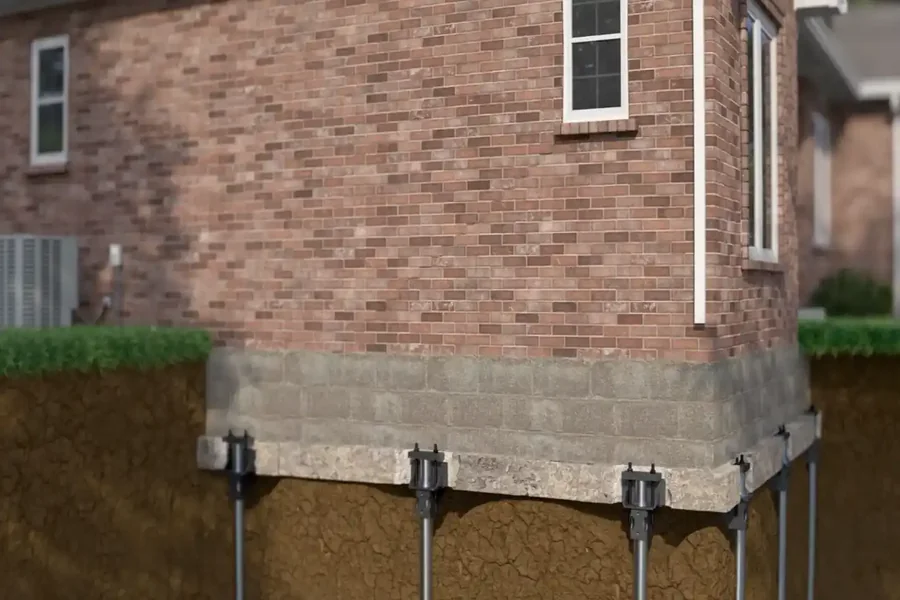
Foundation pier systems are strong parts made of steel or concrete. The columns go deep into the ground below a building. This helps move the building’s weight away from weak soil at the top. The weight goes down into the harder and stronger soil or rock below.
When the surface soil gets wet or dry, it can grow bigger, get smaller, or move out of place. This causes the shallow foundation on top to settle in different ways. Piling helps fix this problem by working as strong supports under the ground. Steel brackets are put on the bottom of the foundation, and then steel piers are pushed down through the weak soil until they reach strong, solid ground. When the piers are set in place, jacks are used to lift and steady the building back to where it was before.
5 Advanced Foundation Pier Systems by Level Tech Lifting
Level Tech Lifting sets up custom piering solutions. These are made to fit the different types of soil, foundation, and load needs.
| Pier System | Primary Material | Ideal Application | Depth Capability | Key Advantage |
| Push Piers | High-strength tubular steel | Heavy residential & commercial structures | Very Deep (Until bedrock) | Uses the building’s own weight for resistance driving |
| Helical Piers | Steel shaft with helical plates | Light structures, porches, & weak soils | Adjustable | Threaded directly into soil without heavy mass |
| Slab Piers | Compact steel piers | Sunken interior concrete floor slabs | Moderate | Installed through tiny holes inside the home |
| Helical Piles | Heavy-duty helical steel shafts | New construction & high load applications | Deep | Prevents settlement before building begins |
| Crawl Space Jacks | Adjustable steel posts | Sagging floor joists & crawl spaces | Surface to beam | Easily adjustable over time as timbers settle |
1. Resistance Push Piers
Push piers are made with strong steel. Crews put them deep in the ground by using special machines. They use the weight of the home to help push down into the earth. The workers keep pushing the piers until they reach hard rock or thick layers of soil. Piled piers can hold a lot of weight, so they work well for heavy homes.
- Benefits: There is very little soil disturbance. It can go very deep. It gives long-lasting support for weight.
- Limitations: The building needs to be heavy enough to push back against the force.
2. Helical Piers
Helical piers come with plates shaped like a screw. These plates are joined to a steel pole in the center. The piers are not pushed down. Instead, they are turned with a machine and screwed in, just like when you turn a corkscrew into soil.
- Advantages: The technique proves to be effective for structures that are light, such as porches, decks, and additions. In addition, the technique is suitable for areas with weak soils since there is no vibration during installation. Therefore, it ensures the safety of adjacent structures.
- Limitations: Rocks and big underground stones can stop the installation from going forward.
3. Concrete Slab Piers
Concrete slabs within buildings settle downward while the external walls remain stationary. The use of slab piers is recommended to raise the floors back into place. They are inserted by drilling holes within the slabs. Push piers work by gripping the soil beneath the floor slab and raising the sunken indoor area.
- Benefits: It fixes floor slopes inside the house. You do not need to replace the whole slab.
4. Commercial Helical Piles
Commercial helical piles are made for big building work. The piles help keep commercial foundations strong. They work for utility structures and walls that hold soil too. The piles be built to hold up heavy side and up-and-down pulling forces.
5. SmartJack Crawl Space Support Posts
When your house has a crawl space beneath it, there is a chance that you may experience an uneven feeling as you walk across the floor. This results from the bending of wooden beams beneath the floor. Steel crawl space support jacks can take the place of weak wood posts or concrete blocks. These jacks help make the floor strong again and keep everything in line under your house.
Key Benefits of Professional Pier Installation
- Long-lasting Structural Solution: In contrast to temporary solutions such as mudjacking or patching, deep pier foundation connects to the soil layer that is immovable.
- Preserves Investment Safety: Restores your house to its optimal condition and prevents serious issues in case of reselling.
- Inconspicuous Process and Small Equipment: The equipment used is small, which means that your yard will remain almost untouched in comparison with a full replacement of the foundation.
Using engineered pier systems is the best way to stop a house from sinking and to fix floors that are no longer level. Level Tech Lifting moves the weight of the building to stable layers below the shifting soil. This helps keep a building safe from changes in the ground that can come from weather and other things. By getting a Foundation Repair system, you help keep your building strong, keep your property valuable, and feel sure that things will stay good for many years.
FAQs
How long do foundation piers last?
Level Tech Lifting makes strong steel pier systems. These are built with galvanized steel. The steel is made to last as long as the building. Most of the time, these systems also come with long-term warranties that you can pass on to others.
How deep are foundation piers driven?
Pier depth depends on the kind of soil in the area. Piers go down through the soft dirt at the top. They stop when they get to hard, strong layers of soil or rock. This can be as low as 10 feet or even more than 40 feet below the ground.
Will foundation piering damage my yard or landscaping?
Modern foundation piering uses small machines that work with pressure. There is only a need to dig small pits near the footing of the house. This keeps damage to the lawn and garden beds very low.