
Why Surviving a Car Crash Can Depend on a Few Inches
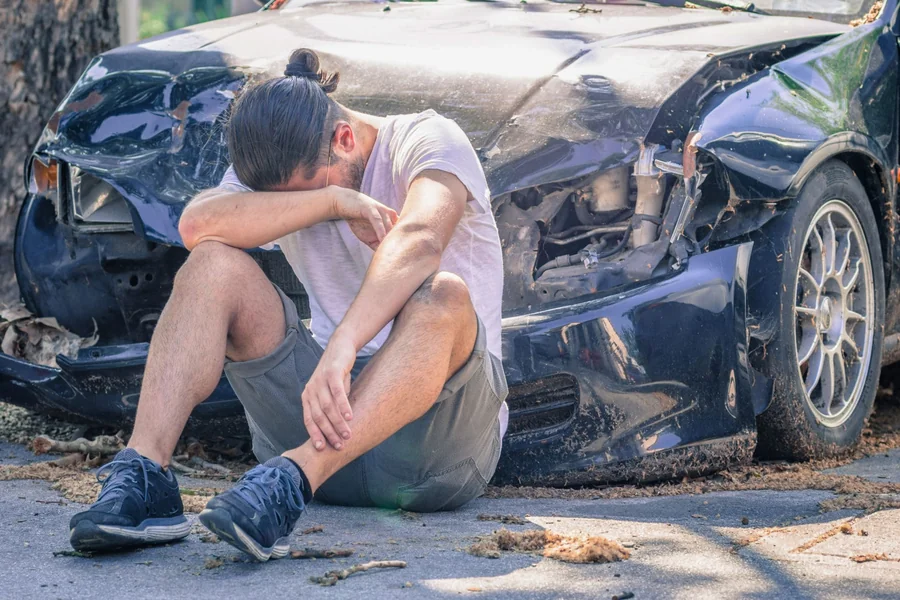
Two crashes happen at nearly the same speed on the same stretch of road. In one, the driver walks away with bruises. In the other, someone doesn’t survive. The difference might come down to where the impact landed, sometimes by just a few inches.
That sounds almost unbelievable, honestly, but crash safety is incredibly sensitive to small details. The angle of impact, which part of the car absorbs the hit, and exactly where people are sitting can all shift outcomes quite dramatically. Inches really can decide everything.
Investigators who study fatal car accident injuries often find that tiny differences in structure, position, and timing made a huge difference. Survival isn’t just about how fast a car was going. It’s about how crash energy found its way to the people inside.
Why the Exact Point of Impact Matters
Frontal crashes give a car its best chance. The engine bay and front structure have a lot of room to crumple and absorb energy before it reaches the cabin. Seat belts and front airbags are designed specifically for this kind of impact. Space is protection.
Side impacts are a different story. There’s only a door and a few inches of space between an occupant and the striking vehicle. That’s why side crashes, especially into the driver’s or passenger’s door, can be so dangerous even at moderate speeds.
Offset crashes add another twist. When only a small portion of the front end hits, like a corner striking a pole or another car, the main crush structures may be bypassed. Force can travel straight into the wheel well, footwell, and door frame.
The Hidden Importance of the Passenger Compartment
Engineers think of a car as two parts. The outer zones are meant to crush and absorb energy. The passenger compartment is meant to stay strong and keep its shape, preserving survival space for the people inside. It’s a deliberate balance.
When that compartment holds up, occupants have room to move with their restraints without being crushed. When it collapses, steering columns, dashboards, doors, or roofs can intrude into the space where people sit, greatly increasing the risk of severe injury. Space equals survival.
Managing crash energy is the key. A well-designed vehicle slows occupants down as gradually as possible, spreading forces over time and over the body’s strongest areas. That careful balance of crushing and resisting is what modern crash engineering is all about. Physics drives every design choice.
Why Seat Position and Restraints Can Change the Outcome
Seat belts are the single most important safety feature in a car. NHTSA has long estimated that lap and shoulder belts cut the risk of death for front-seat passenger car occupants by about 45 percent. They keep people in position so other safety systems can work.
Airbags are designed to work with belts, not replace them. An unbelted occupant can slide out of position and meet a deploying airbag at the wrong moment. Sitting too close to the steering wheel can also raise the risk of airbag-related injury.
Head restraints and posture matter too. A properly adjusted head restraint helps limit neck injury in rear impacts. Reclining far back, putting feet on the dashboard, or leaning against a door can all change how the body moves and what it hits.
Why Two Similar Crashes Can Have Different Consequences
Speed has a truly huge effect, because crash energy rises with the square of speed. A crash at 50 miles per hour carries roughly twice the energy of one at about 35. Small increases in speed can make a big difference. Speed is unforgiving.
Vehicle mass matters a lot as well. When a heavy SUV or truck collides with a smaller car, the people in the lighter vehicle usually experience much greater forces. Crash angle and the amount of intrusion into the cabin also change how energy reaches occupants.
Then there are the occupants themselves. Age, health, height, seating position, and whether someone was belted all influence the outcome. That’s why survival can’t be predicted precisely, even by experts who study crashes for a living. Every single crash is unique.
Conclusion
Crash survival depends on a complex mix of factors. Where the impact lands, how the vehicle absorbs energy, and how well the passenger compartment holds its shape can all shift the outcome in a matter of inches. Small details can carry enormous consequences.
Restraints and seating position play a crucial role. Seat belts, airbags, and head restraints work best together, and simple choices like buckling up and sitting upright can dramatically improve the odds when something goes wrong. Those simple habits cost nothing and can save lives.
No two crashes are exactly alike. Speed, vehicle size, angle, and the people involved all shape the result. That complexity is exactly why careful engineering and careful driving both matter every single time someone gets behind the wheel. Buckle up, no exceptions, ever.