
7 Essential Features to Look for in Home Fitness Equipment
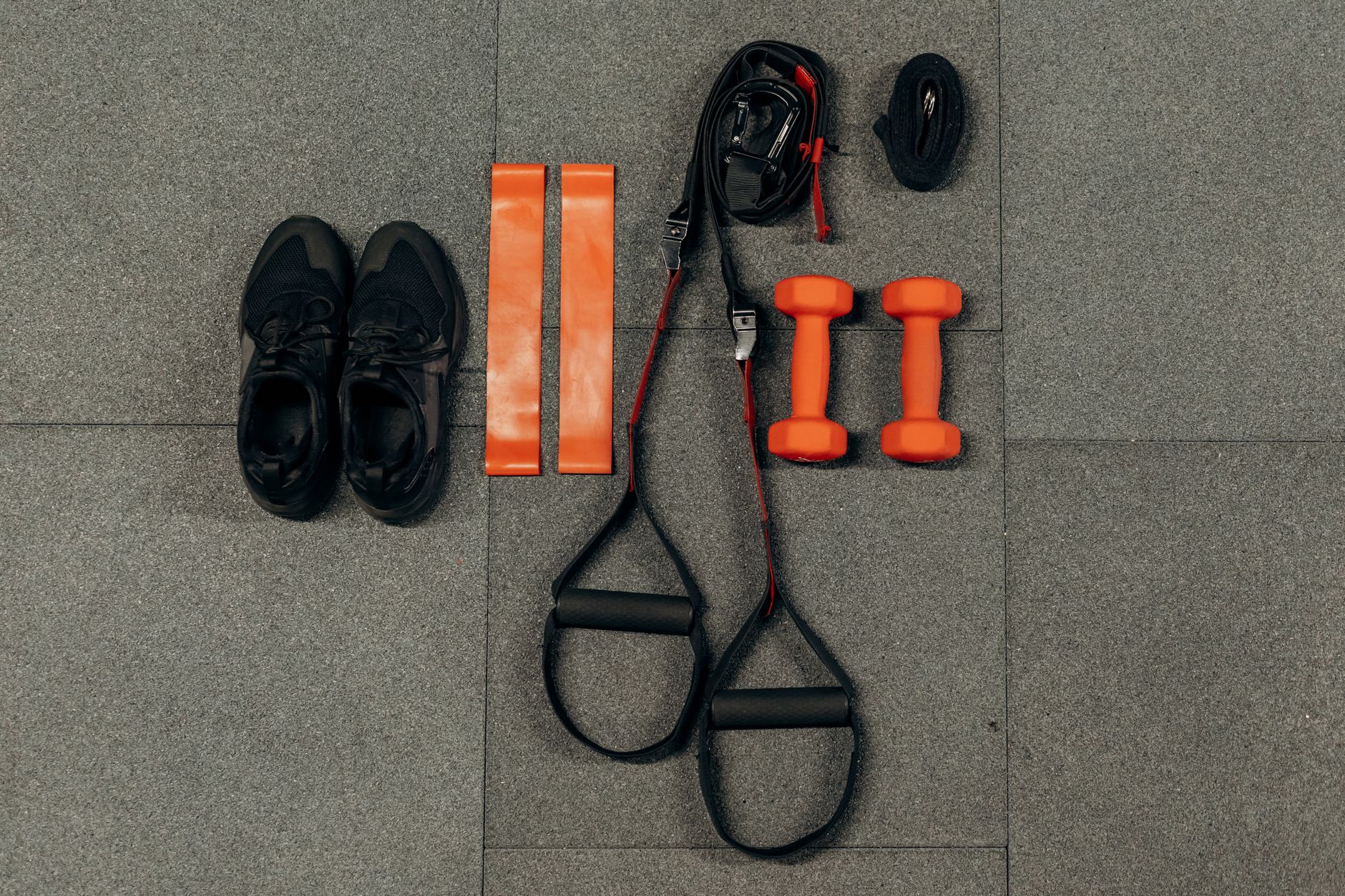
Creating a home gym can make it easier to maintain a consistent exercise routine without having to travel to a fitness facility. However, choosing the right home fitness equipment requires more than looking at the price or appearance. Factors such as functionality, available space, safety, durability, and convenience can all affect whether a piece of equipment is suitable for your home. Consider these seven features when comparing your options.
1. Consider the Equipment’s Intended Use
Before purchasing fitness equipment, think about the types of workouts you plan to do most often. Someone focused on cardiovascular exercise may benefit from equipment designed for walking, jogging, or running, while someone focused on strength training may prefer weights or resistance equipment.
For homes with limited space, foldable treadmills can be a practical option for people who want access to indoor walking or running without permanently taking up as much floor space. Considering how often and how intensely you plan to use the equipment can help you choose an option that fits your exercise goals and daily routine.
2. Look for Adjustable Settings
Adjustable features can make fitness equipment more versatile. Depending on the equipment, these may include speed, resistance, incline, intensity levels, or preset workout programs. Having different settings allows users to modify their workouts as their fitness levels and goals change.
When comparing equipment, consider whether the available adjustments are easy to understand and operate. Simple controls can make it easier to change your workout without unnecessary interruptions.
3. Check the Available Space
Measure your workout area before purchasing large fitness equipment. Consider the equipment’s dimensions, required clearance, and whether it can be stored when it is not being used. A machine that fits comfortably can make your home gym safer and easier to use.
4. Prioritize Safety Features
Safety should be an important consideration when selecting exercise equipment. Features may vary depending on the equipment but can include emergency stop mechanisms, stable frames, secure handles, non-slip surfaces, and accessible controls.
Read the manufacturer’s safety information and make sure the equipment is appropriate for the intended users. Proper setup and regular inspection can also help support safer use.
5. Consider Build Quality and Durability
Equipment used regularly needs to withstand repeated movement and normal wear. Look at the materials, frame construction, weight capacity, and quality of moving components before making a purchase. Durable equipment may provide better value for people who expect to use their home gym frequently.
6. Review Technology and Convenience Features
Modern fitness equipment may include digital displays, workout tracking, preset programs, heart-rate monitoring, Bluetooth connectivity, or compatibility with fitness applications. These features can make it easier to monitor workouts and maintain motivation.
However, technology should complement the equipment rather than be the only reason for choosing it. Focus first on features that support your actual workout routine.
7. Compare Maintenance and Overall Cost
The initial purchase price is only one part of the overall cost of fitness equipment. Consider maintenance requirements, replacement parts, warranties, energy consumption where applicable, and the expected lifespan of the equipment.
Comparing these factors can help you determine whether an option provides reasonable long-term value for your budget.
Building a Practical Home Fitness Setup
The right home fitness equipment should fit your exercise goals, available space, safety requirements, and budget. By considering intended use, adjustable settings, size, durability, technology, and maintenance needs, you can create a more practical workout environment and choose equipment that supports your routine over time.