
Curating a Supplement Line: Tips for Wellness Entrepreneurs
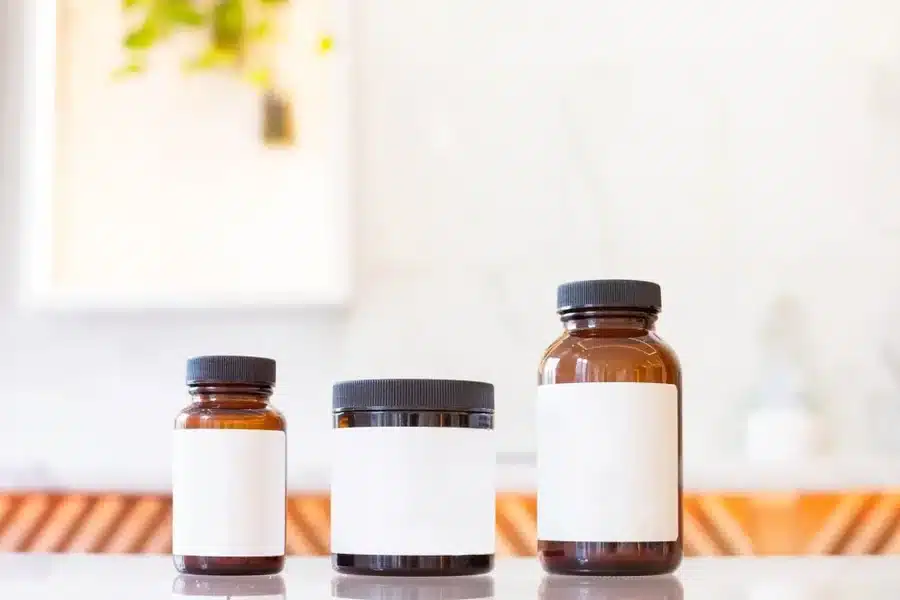
The global supplement market continues to expand, driven by health-conscious consumers and new ingredient innovations. For wellness entrepreneurs, launching a supplement line means more than selecting trending ingredients. It takes a clear strategy, from defining your ideal customer to planning health supplement ads and designing compliant labels.
In this guide, you will learn how to:
- Identify your niche and target audience
- Choose delivery formats and key ingredients
- Source quality ingredients and vet manufacturers
- Build a distinctive brand with eco-friendly packaging
- Ensure regulatory compliance and quality control
- Innovate with subscription and personalization models
- Craft effective supplement advertising strategies
- Plan a pilot launch and scale your line
Whether you’re starting out or refining your range, these tips will help you bring a standout supplement line to market.
Identify Your Niche and Target Audience
Identifying a clear niche stops wasted effort and guides product development.
Researching market demand
Use industry reports like Euromonitor International, Statista and IBISWorld to track category growth. Monitor Google Trends for searches related to cognitive support or plant-based supplements. Complement secondary data with online surveys via SurveyMonkey or Google Forms to confirm interest in areas like vegan formulas.
Profiling customer needs
Scan social media forums and health subreddits to hear real concerns. Define niches such as seniors, athletes or busy professionals and map their motivations. Surveys show about 50% of buyers seek clinically backed ingredients. Build buyer personas with goals, pain points and purchase drivers.
Positioning your supplement line
Combine your insights into a unique selling proposition. For example, offer vegan-certified, science-backed supplements for active adults. Highlight certifications like GMP or HACCP. Emphasize your brand values since 82% of customers prefer brands that share their principles.
Select Product Categories and Formulations
Choosing the right format and ingredients helps your line stand out and serve customer needs.
Delivery formats and pros and cons
- Capsules: precise dosing, stable shelf life
- Powders: quick absorption, flexible servings
- Gummies: taste appeal, higher compliance
Trending ingredients and benefits
- Pea protein: plant-based protein support
- Functional mushrooms: adaptogens for stress management
- Probiotics and prebiotic fiber: gut health and immune support
- Adaptogenic botanicals: such as ashwagandha for resilience
Crafting compliant health claims
Use approved language: supports, promotes or helps maintain. Avoid disease claims. Include the disclaimer “These statements have not been evaluated by the FDA.” Keep research and testing on hand to substantiate every claim.
Source Quality Ingredients and Suppliers
Evaluating manufacturer credentials
Verify GMP registration under FDA oversight and ISO 9001 or US Pharmacopeia standards. Request third-party testing records and facility audit reports. Order and test samples to check dosage accuracy and batch consistency.
Private label vs custom formulation
Private labels offer cost-effective stock formulas with lower MOQs and faster lead times. Custom formulations let you create unique blends but require higher MOQs and longer development times. Balance budget and differentiation goals.
Certifications and quality standards
Look for GMP, NSF or USP verification and confirm status on official registries. Display certification logos on your packaging and marketing materials. Schedule regular audits and renewals to maintain compliance.
Develop Distinctive Branding and Packaging
Benefit-driven naming and trademark
Choose a succinct name that highlights core benefits so consumers understand your product’s purpose. Register your name and logo with the USPTO to secure exclusive rights and prevent copying.
Eco-friendly packaging
Select recycled or compostable materials to reinforce sustainability. Pair minimalist design cues and clean fonts for a premium feel. Print concise brand stories or ingredient origins on labels to build emotional connections.
Labeling compliance essentials
Ensure your labels meet FDA requirements for panel layout, nutrition facts format and structure-function claims. Include mandatory disclaimers and list ingredients by weight. Work with regulatory consultants or use supplier templates to avoid costly revisions.
Ensure Regulatory Compliance and Quality Assurance
Adhere to cGMP standards
Under FDA 21 CFR Part 111, apply quality controls across sourcing, production, packaging and holding. Define standard operating procedures and train staff on good manufacturing practices.
Third-party testing
Arrange independent ISO 17025 audits and lab analyses for raw materials, in-process samples and finished products. Confirm identity, potency and absence of contaminants to protect consumer safety.
Documentation and recordkeeping
Maintain batch records with ingredient sources, processing parameters and test results. Keep audit trails and adverse event logs to simplify recalls and inspections.
Ongoing audits and supplier oversight
Request facility tours and review stability and microbial testing data. Renew quality agreements annually to catch deviations early and reinforce compliance.
Innovate with Subscription and Personalization Models
Personalization models grow six to nine times faster than the general supplement market, highlighting a path to loyalty and revenue.
AI-driven personalization quizzes
Use online quizzes to collect lifestyle data and email addresses before offering custom recommendations. Frame results need states like sleep or energy. Transparency in logic builds trust.
Auto-replenishment options
Offer subscription plans that auto-reorder tailored bundles at regular intervals. Brands such as HUM Nutrition and Vous Vitamin generate most sales through auto-replenishment. Custom packs lower daily cost and pill burden.
Data-driven iteration
Use A/B tests and cohort analysis to refine quiz flows and product mixes. Monitor churn rates and engagement to adjust recommendations and boost lifetime value.
Craft Effective Supplement Advertising Strategies
To boost conversions, combine targeted keywords, emotional triggers and strong visuals. Focus your campaigns around terms like supplement advertising, supplement ads, supplement advertisement, supplements advertising and health supplement ads. These keywords help optimize ad spend and reach.
Keyword-focused ad campaigns
- Include primary keywords like supplement advertising, supplement ads and advertising supplement in headlines and descriptions
- Use a clear call-to-action in each supplement ad to drive conversions
- Use long-tail variants such as “vegan joint support supplement advertisements,” “supplements ads” and “health supplement ads”
- Test geo-modifiers and audience segments for precision
- Fine-tune your advertising supplements strategy with these terms
Influencer and social media tactics
Partner with micro-influencers who match your ideal customer. Send branded samples and encourage unboxing videos that highlight packaging and supplement advertisements. Use a branded hashtag for user-generated content.
Limited-edition and scarcity triggers
Create exclusive drops with defined stock limits. Add countdown timers on landing pages and in emails. Use headlines like “Limited stock, unlock your best health now.” Offer early access to subscribers and display low-inventory banners to nudge quick decisions.
Launch and Scale Your Supplement Line Strategically
Pilot launch and feedback loops
Start with a small pilot to validate your concept. Target a precise persona and test prototypes under GMP oversight. Gather feedback via surveys or focus groups, then refine formulas, pricing and branding before full release.
DTC vs wholesale strategies
Direct-to-consumer e-commerce delivers higher margins and richer data, while wholesale supplements drive volume and brand visibility in local stores. Align your channel strategy with your goals or use a hybrid model to balance reach and profitability.
Scaling partnerships and logistics
Partner with reliable third-party logistics providers to manage inventory and shipping. Communicate clearly with retail partners to keep stock levels consistent and compliant. Forecast demand to prevent overstock or stockouts.
Conclusion
Launching a successful supplement line involves integrating strategy, quality and innovation at every stage. By following this guide you can:
- Identify your niche and profile target customers
- Select delivery formats and ingredients that meet genuine needs
- Vet manufacturers with GMP certification and third-party testing
- Build brand identity with eco-friendly packaging and compliant labels
- Implement cGMP procedures, independent audits and robust records
- Use personalization quizzes and subscription models for repeat business
- Craft targeted supplement ads, partner with influencers and apply scarcity tactics
- Launch a pilot, gather feedback, refine offerings and scale
With a structured, data-driven approach and a focus on quality, you can turn your wellness vision into a standout supplement line. Your journey to trusted products and lasting customer relationships begins now.