
Role Playing Games Give Players a Low Pressure Way to Practice Improv
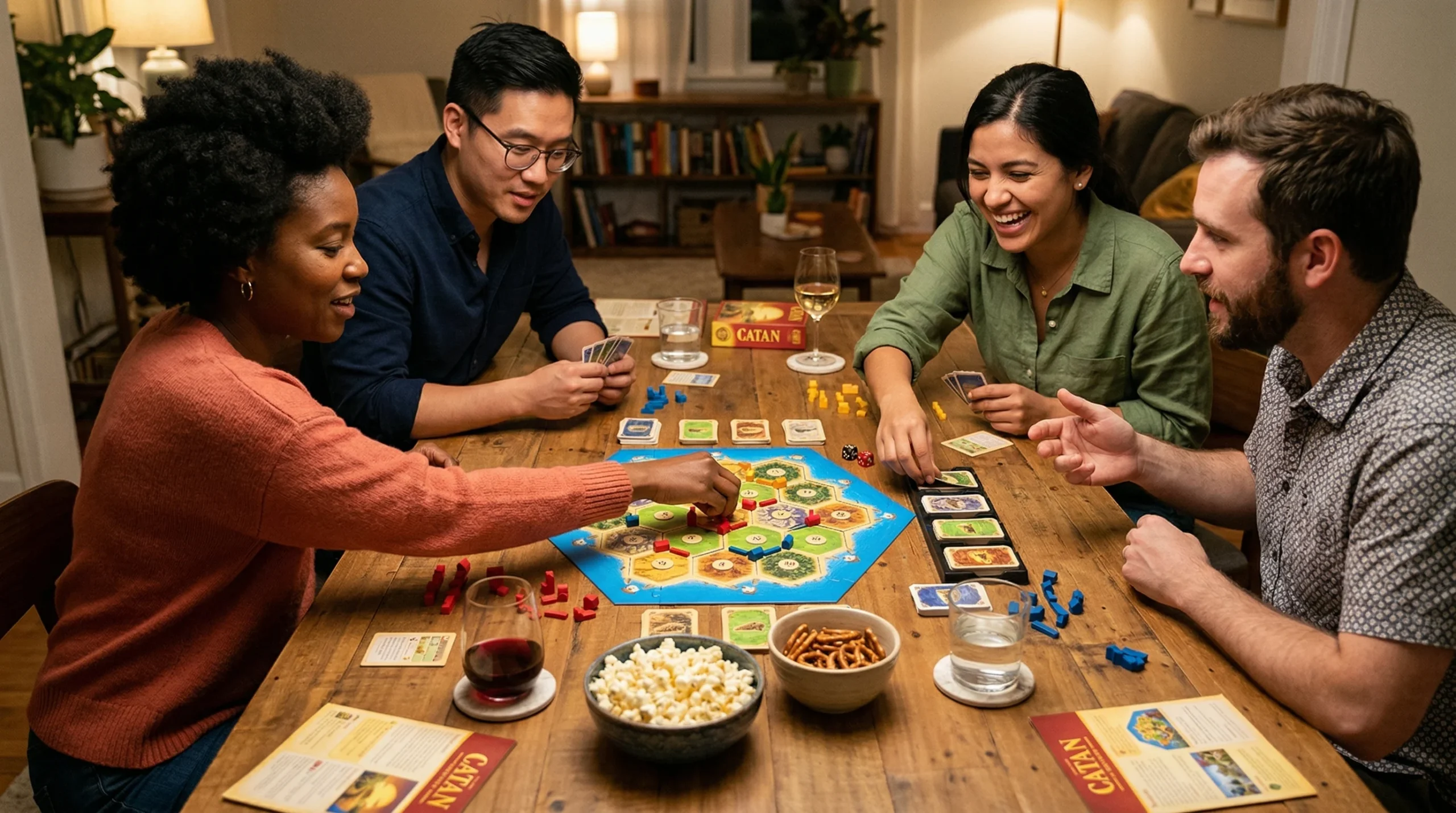
Starting a new tabletop role-playing game often feels just like hanging out with friends, but you are actually participating in a highly collaborative form of unscripted theater. If you have ever thought about trying your hand at acting but felt too intimidated by a formal stage setting, this is the perfect, low-stakes entry point. Sitting around a table pretending to be a wandering wizard or a space smuggler lets you test the waters safely. In fact, quite a few people who eventually sign up for improv acting classes discover their initial spark for performance during a casual weekend campaign. It is a creative sandbox that allows players to experiment with different voices, emotional reactions, and storytelling formats without a live audience staring them down.
Unlocking the Mind Through a Low-Stress Sandbox
The beauty of sitting around a table with dice is that it inherently lowers the stakes, making it much easier to silence your inner critic. When you are just goofing off in a living room, the focus remains entirely on having a good time rather than delivering a flawless dramatic monologue. This calm and easygoing environment helps reduce stress, which is very important for thinking freely and without limits. People who know a lot about this have said for a time that playing in a planned way gives big brain benefits from unexpected conversations. These include being better, at solving problems and managing feelings. When you pretend to be someone, you avoid feeling too self-aware, which usually stops creativity. This lets your brain choose exciting things as they happen.
Building Confidence by Embodying Someone Else
One of the biggest hurdles in any performance environment is figuring out how to step completely out of your own shoes. During a gaming session, you are forced to view the world through the lens of your character, reacting to wild scenarios based on their unique motivations rather than your own personal logic. This continuous practice of perspective-shifting is a foundational skill taught in standard improv classes, yet gamers practice it for hours on end purely for entertainment. When you regularly make decisions as a charismatic rogue or a stoic paladin, you slowly build a reservoir of personal confidence. That acquired bravery makes it much easier to think on your feet when you face unexpected challenges.
Embracing Mistakes as Unexpected Plot Twists
Fear of failure is usually the main thing that keeps people from trying new hobbies, especially when it comes to performing in front of others. However, in the context of a tabletop game, rolling a critical failure on your dice often leads to the most memorable and hilarious moments of the entire night. You learn very quickly that messing up does not ruin the scene; it just sends the story in a fascinating new direction. This mindset shift is incredibly valuable and happens to be precisely the kind of mental flexibility that professional improv acting classes try to instill in their students. When you realize there are no actual mistakes—only new opportunities for character development—the fear of looking foolish completely evaporates.
Conclusion: Your Next Adventure Awaits
Diving into a role-playing game is one of the most fun ways to improve how you talk and interact with others in a place where no one is judging you. It helps people move from watching to being part of something exciting. It lets anyone try out ideas and be creative without feeling scared or nervous. Whether you use these skills just at the game table or later in life, being able to think, liste,n and act in a real way is a special skill that helps in everyday life.