
How Can Heating and Air Conditioning Services Optimize Comfort in Multi-Zone Homes?
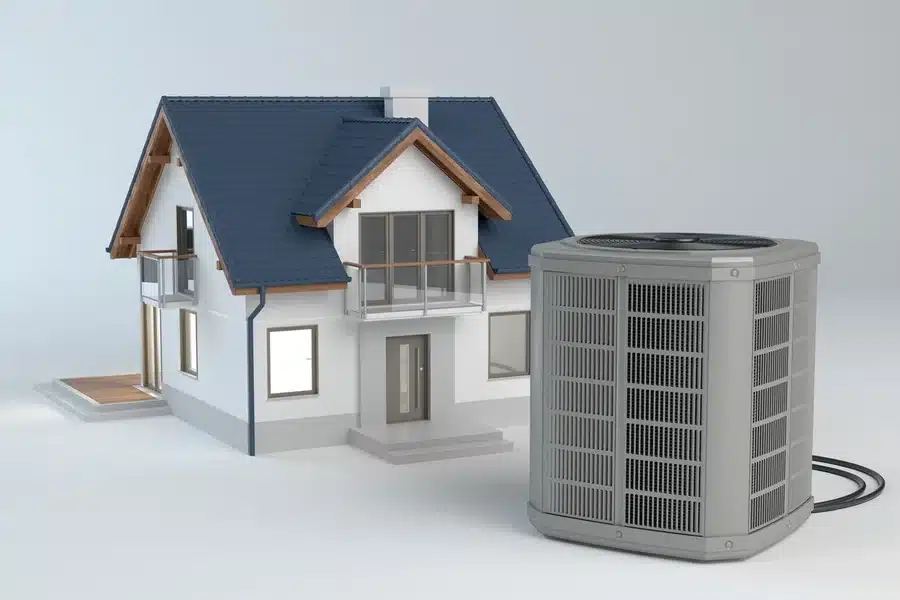
Multi-zone homes require more careful comfort planning than single-zone homes because different rooms often have distinct heating and cooling needs. Upstairs bedrooms may stay warmer, lower-level rooms may feel cooler, and sun-facing areas may gain heat faster during the day. A single thermostat cannot always manage these differences accurately. Heating and air conditioning services help by adjusting airflow, controls, ductwork, equipment performance, and zoning settings so each area receives the comfort it needs. With the right setup, families can enjoy steadier temperatures, better efficiency, and fewer arguments over thermostat settings.
Comfort by Zone
-
Understanding How Each Zone Behaves
Heating and air conditioning services begin by studying how each zone in the home responds throughout the day. A zone may be an upstairs floor, a finished basement, a bedroom wing, a home office, or a large open living area. Each space reacts differently depending on sunlight, ceiling height, insulation, windows, duct distance, and how often it’s used. Technicians may check temperature changes, airflow strength, thermostat readings, and system cycling patterns before recommending changes. Homeowners using Valencia, CA Heating and Air Conditioning Services can benefit from a zone-by-zone evaluation because warm afternoons, room exposure, and household routines can all affect comfort. This step prevents guesswork. Instead of assuming the system is too large or too small, the service team identifies whether the issue comes from poor airflow, weak controls, duct leakage, heat gain, or equipment settings. Understanding each zone’s behavior creates the foundation for better comfort planning.
-
Balancing Airflow Between Different Areas
Airflow balance is one of the most important parts of comfort in a multi-zone home. If one area receives too much conditioned air while another receives too little, the home may feel uneven, no matter how often the thermostat is adjusted. Heating and air conditioning services may include measuring airflow at vents, checking duct pressure, inspecting dampers, and finding restrictions inside the duct system. Technicians can adjust dampers so more air reaches rooms that need it, and less air goes to areas that are already comfortable. They may also repair duct leaks, clean blocked pathways, or improve return airflow to ensure air circulates properly. Balanced airflow helps the system serve each zone without overworking any one. It also reduces hot and cold spots, noisy vents, and long run times. When air moves through the home in a controlled way, each zone becomes easier to heat or cool without wasting energy.
-
Improving Thermostat and Control Placement
Controls play a major role in multi-zone comfort because each zone needs accurate temperature feedback. A thermostat placed near direct sunlight, a supply vent, kitchen heat, hallway drafts, or an exterior door may send the wrong signal to the system. This can cause one zone to shut off too soon while another still feels uncomfortable. Heating and air conditioning services can check thermostat locations and recommend better placement when needed. They may also calibrate thermostats, update settings, or install smart controls that allow more precise scheduling. In multi-zone homes, each zone may need different settings based on use. Bedrooms may need stronger cooling at night, while living areas may need more comfort during the afternoon. Better controls allow the system to respond to real conditions instead of one inaccurate reading. This helps improve comfort while reducing unnecessary heating or cooling in empty rooms.
-
Using Zoning Equipment More Effectively
Many multi-zone homes rely on dampers, separate thermostats, variable-speed equipment, or multiple indoor units to manage comfort. These parts need a proper setup to work well together. If a damper sticks, a control board is misconfigured, or airflow is restricted when only one zone is calling, the system may become noisy, inefficient, or uneven. Heating and air conditioning services can test zoning equipment, confirm damper movement, review system logic, and adjust blower settings so the equipment responds smoothly. Variable-speed systems can be especially useful because they can run at lower levels for longer periods, supporting steadier temperatures and better humidity control. Technicians may also review whether bypass ducts or pressure controls are needed to prevent airflow stress. When zoning equipment is tuned correctly, each area receives comfort when needed without forcing the entire home to heat or cool at the same level.
-
Reducing Heat Gain and Heat Loss
Comfort problems in multi-zone homes are not always caused by the HVAC system alone. Some zones become uncomfortable because they gain or lose heat faster than others. Rooms with large windows, thin insulation, attic exposure, air leaks, or west-facing walls may become warmer during the day. Basements, rooms over garages, or shaded areas may stay cooler. Heating and air conditioning services can identify these conditions and recommend improvements such as air sealing, duct insulation, attic insulation, window shading, or ventilation adjustments. These changes help each zone hold its temperature longer, reducing the amount of work required from the equipment. If one zone constantly fights outdoor heat or cold, the system may run longer and still fail to deliver comfort. By improving the home’s thermal balance, each zone becomes easier to manage, energy waste drops, and comfort feels more natural throughout the day.
-
Maintaining Equipment for Reliable Zone Comfort
Even a well-designed multi-zone system can become uncomfortable if the heating and cooling equipment is neglected. Dirty coils, clogged filters, weak blower motors, worn electrical parts, low refrigerant, or blocked drains can reduce system performance across every zone. Heating and air conditioning services help maintain steady comfort through routine inspections, cleaning, testing, and adjustments. Technicians can check whether the system is producing the right temperature change, whether airflow remains strong, and whether controls are communicating properly with the equipment. Maintenance also helps prevent small problems from spreading into larger failures that disrupt multiple areas of the home. In a multi-zone setup, one weak component can affect several rooms at once. Regular service keeps the system responsive, efficient, and ready for seasonal demand. With cleaner equipment and precise controls, each zone is more likely to receive reliable comfort when needed.
Heating and air conditioning services optimize comfort in multi-zone homes by improving airflow, controls, zoning, insulation, and system performance. Each zone has its own comfort challenges, so a single adjustment rarely solves the entire problem. A careful service approach identifies how every area behaves, then matches solutions to the home’s layout and daily routines. Better duct balance, accurate thermostats, tuned dampers, reduced heat gain, and regular maintenance all work together to create steadier temperatures. When multi-zone systems are managed properly, homeowners enjoy greater comfort, lower energy waste, and better control over each part of the home.