
What Actually Earns a Place in Your Weekend Bag
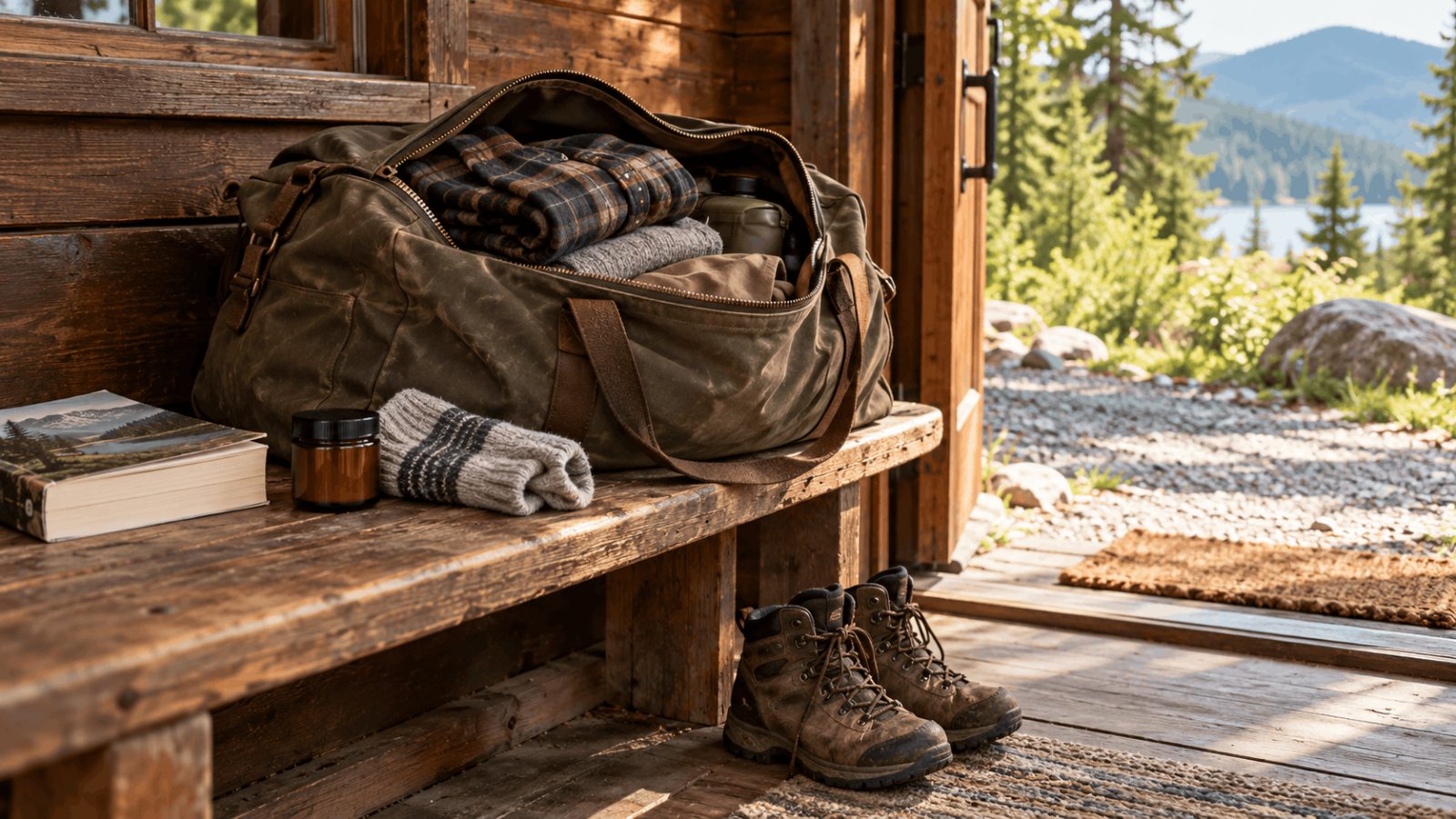
Packing for two nights away has a way of turning into preparation for six different trips. There is the walk you might take, the restaurant you might visit, the weather that might change, and the ambitious version of yourself who apparently plans to exercise before breakfast.
By Friday afternoon, the bag barely closes.
A short trip is easier to pack for when you start with what is actually happening. Where are you sleeping? What will you do for most of the day? What would be inconvenient to forget? A cabin weekend with a short walk and dinner on the porch needs a different bag from a remote camping trip.
Once those questions are answered, most of the extra clothing and equipment becomes easier to leave behind. A few less obvious items, meanwhile, deserve their space.
Pack for Saturday, Then Check the Forecast
Think through one ordinary day at your destination. Getting dressed, having breakfast, going out, coming back, showering, and spending the evening somewhere comfortable.
That sequence gives you a useful starting point. You need clothes for the activities you have planned, something suitable for the evening, and the basics for sleeping and washing. You probably do not need a separate outfit for every change of location.
Choose clothes that work together. A shirt that can be worn on the drive and again over a clean T-shirt is more useful than one reserved for a dinner nobody has booked. Comfortable trousers usually earn their place faster than a third pair brought along for variety.
Then check the forecast for the place you are visiting, including overnight temperatures. A warm afternoon can make it surprisingly easy to forget what sitting outside after sunset feels like.
Weather protection should match the conditions and the trip. Packing lightly still means bringing what you need to stay warm and dry.
The Second Pair of Shoes Should Have a Job
Footwear can occupy half a weekend bag before anything else goes in.
Wear the bulkiest practical pair during the journey, provided they are comfortable for traveling. Pack another pair when they serve a clear purpose: sandals for a shared shower, easy shoes for inside the cabin, or footwear suited to a planned activity.
An extra pair brought only because it might look better with something is harder to justify on a casual trip.
The shoes themselves matter more than the packing arrangement. A weekend away is a poor time to discover that new boots rub after twenty minutes. Familiar footwear removes one unnecessary experiment from the schedule.
Keep dirty shoes separate from clean clothes on the return journey. An old washable bag does the job without requiring another piece of specialized travel equipment.
Bring a Small Version of Your Normal Routine
A toiletry bag can become a collection of products that rarely get used at home, much less away.
Start with the things you reach for every day. A toothbrush, toothpaste, deodorant, and the personal-care products you normally use will cover much of it. Add sun protection and other essentials appropriate to the destination. Keep medication in a suitable, clearly identified container and make sure there is enough for the trip.
For products that can be transferred safely, a smaller, securely closed container may be more practical than a large bottle. Label it so there is no guessing later. Put anything that could leak inside a separate pouch.
Some people also like to bring a familiar balm or salve. When choosing one, consider the ingredient list, directions, container size, and whether the lid closes securely. A weekend trip does not call for an entirely new personal-care routine.
For readers interested in mountain-inspired balm brands, Mountain Legend Balm Co is preparing a range of balms and salves, including Original and Cooling options. Its website is currently in the coming-soon stage, with product details and availability still to be announced.
Until a product is available and its label can be reviewed, the sensible packing choice is something already familiar.
Make the First Evening Easy
The items needed on arrival should not be buried beneath everything else.
Keep a warm layer, any arrival instructions, and the things needed for the first evening within reach. If you are arriving late, know where the keys are and whether food will be available nearby.
A simple meal can be more useful than an elaborate plan. Nobody wants to search an unfamiliar kitchen for a roasting pan after a long drive.
Check what the accommodation supplies before packing duplicates. Towels, bedding, cooking equipment, and coffee-making arrangements vary. A quick look at the booking details can prevent both an overfilled car and an inconvenient surprise.
If several people are traveling together, divide shared items before leaving. Four bags of coffee and no breakfast is an avoidable group effort.
Bring Something for the Time Between Plans
A weekend does not need a full entertainment schedule, but it helps to bring something you enjoy doing when there is nothing urgent happening.
A paperback, a small deck of cards, or a notebook takes little room. Choose one or two things you will actually use. Bringing three books for a two-night stay can be the leisure equivalent of packing five shirts.
Consider the people coming with you, too. Cards might suit a group gathered around a table. A book may be a better choice when everyone wants a quiet hour to themselves.
There is no need to make a rule about avoiding phones. Having another option nearby simply makes it easier to spend part of the evening doing something different.
A charger is still worth remembering. So are downloaded directions or booking details when reception at the destination is uncertain.
Leave Room for the Trip Home
Clean, folded clothes fit neatly on Friday. The same clothes seem to double in size once they have been worn.
Bring a bag for laundry and leave a little space when packing. That makes Sunday morning easier, especially if something is damp or muddy.
It also leaves room for an ordinary souvenir: a book from a local shop, a jar of jam, or the extra layer that will no longer fit quite as neatly as it did at home.
Before closing the bag, look at each remaining “just in case” item. Ask when you would use it. Keep the safety essentials and anything required for the conditions. Be more selective with duplicate clothes and optional extras.
The aim is a bag that makes sense for the weekend you have planned. Once it is packed, put it by the door. There are probably still dishes in the sink.