
How Technology Is Changing the Waste and Hauling Industry
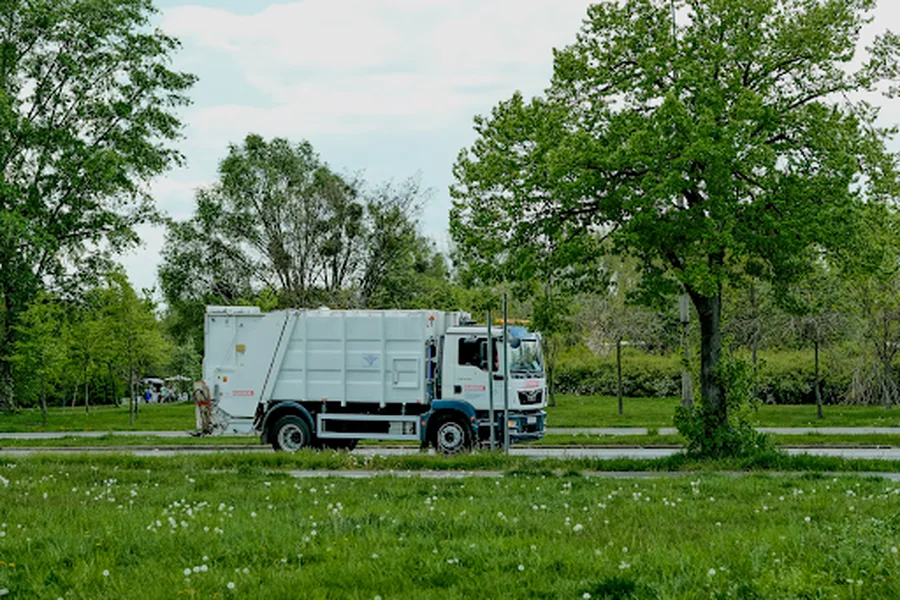
Waste collection may look like a straightforward physical service, but much of the work now depends on data, mobile tools and connected equipment. Dispatchers can see where crews are, customers can receive more accurate arrival windows and managers can identify expensive delays before they spread across the day.
The shift matters because waste volumes remain substantial. The United States generated 292.4 million tons of municipal solid waste in 2018, equal to about 4.9 pounds per person per day. Technology helps hauling companies manage that volume with fewer missed pickups, shorter routes and clearer records.
Smarter Scheduling Starts in the Office
A hauling schedule can change quickly. A customer may request an extra pickup, a container may need to be exchanged sooner than expected or a site may become temporarily inaccessible. Paper schedules and disconnected spreadsheets make those changes difficult to coordinate, especially when several employees update information at once.
Modern order management platforms create one live schedule for office staff, dispatchers and drivers. When an order changes, the update appears for everyone who needs it, reducing duplicate data entry and preventing drivers from arriving with outdated instructions.
The benefit becomes clear during a busy morning. Suppose a company has 45 scheduled stops and receives six urgent requests before noon. A dispatcher using a connected system can fit those orders into existing routes, assign the correct equipment and send revised instructions directly to drivers. Without shared software, the same process may require several calls, handwritten notes and repeated checks.
Digital scheduling also creates a useful history. Managers can compare planned and actual service times, identify customers who frequently change orders and see which jobs cause recurring delays. Companies considering new software should first map their current order process and identify where employees repeatedly re-enter information or wait for updates.
Connected Software Brings Daily Operations Together
Waste and hauling businesses often manage orders, containers, routes, driver updates and invoices through separate systems. That creates more opportunities for information to fall out of sync.
Businesses evaluating dumpster rental company operations software can look for order management, inventory tracking, live arrival estimates, automated invoicing, reporting and mobile access within one connected system.
Inventory tracking is especially useful. Each container can have a digital status such as available, scheduled, in transit, at a customer location or under maintenance. Office staff can confirm availability before promising equipment, while managers can see how long containers remain idle.
The same connection can speed up billing. Once a driver marks a service complete, the order can move toward invoicing without waiting for paperwork to return to the office. Photos, timestamps and customer notes can remain attached to the job record, giving staff useful context if a billing question arises.
Before selecting a platform, run it through a normal workday. Test a new order, schedule change, completed service and invoice correction. How well it handles ordinary tasks matters more than a polished demonstration.
Route Technology Cuts Empty Miles
Fuel, labor and vehicle wear all increase when trucks travel farther than necessary. Route planning software can use stop locations, service windows, vehicle capacity and current assignments to create more efficient sequences.
Small improvements add up. If route planning removes eight unnecessary miles from each of 10 daily routes, the company avoids 400 miles during a five-day workweek.
Live location data adds another layer. Dispatchers can see when a driver is running behind and transfer a nearby stop when another route has capacity. Customers can receive narrower arrival windows, reducing status calls to the office.
Fuel use also depends on how vehicles are driven. Avoiding excessive idling and maintaining steadier speeds are among the ways to improve fuel efficiency. Route reports can help managers identify where excess mileage or idle time repeatedly occurs.
Review route performance by service type, day and workload. Total mileage alone does not tell the whole story. Stops per hour, idle time, missed services and miles between completed jobs provide a more useful picture.
Mobile Tools Improve Field Communication
Drivers once relied heavily on printed route sheets and calls to the office. Mobile apps now place customer instructions, directions, container details and schedule updates directly on a phone or tablet, helping simplify business operations while keeping the office informed.
Digital proof of service can include timestamps, notes and photos. If a crew cannot reach a container because a vehicle blocks access, the driver can document the condition immediately. Customer service staff then have specific information when they contact the customer or reschedule the job.
Mobile tools need a simple design because field employees use them between demanding tasks. Large buttons, clear status labels and limited typing reduce errors. Offline capability can also matter in areas with unreliable coverage.
Technology should never compromise worker safety. Waste management safety still depends on proper procedures, training and attention in the field. Mobile tools can support inspections, maintenance alerts and incident reporting, but drivers should not be interacting with complicated screens while operating a vehicle.
A short pilot with a small group of drivers can reveal confusing steps before the software reaches the entire fleet.
Better Data Leads to Better Business Decisions
Operational software produces plenty of information, but dashboards only help when managers track measures connected to real decisions. Useful metrics include revenue per route, average service time, container turnaround, invoice age, missed pickups and equipment downtime.
Container turnaround is a good example. If one size typically stays at customer sites for 18 days while another returns in nine, managers can adjust availability estimates and purchasing decisions. Faster pickups and better scheduling may free enough existing inventory to handle new demand without buying more containers.
Reports can also expose billing delays. A company may complete jobs on time but wait several days to invoice because service records arrive late. Connecting field completion data directly to billing can shorten that gap.
Data quality still matters. Duplicate customer profiles, inconsistent job categories and incomplete driver updates make reports less reliable. Create simple standards for customer names, service codes and order statuses, then review records regularly.
Digital systems also need appropriate security. Small business cybersecurity should include strong account protection, backups, software updates and access controls. Employees should only have access to the information required for their roles.
Automation Still Needs Human Judgment
Automated invoicing, route suggestions and arrival estimates can remove repetitive work, but unusual situations still require experienced people. A dispatcher may know that a location becomes difficult to reach after school dismissal. A driver may notice that a container needs maintenance even when its service history shows no issue.
Managers should explain why new technology is being introduced and how success will be measured. Employees are more likely to use a system consistently when the goal is specific, such as reducing missed stops or eliminating handwritten service tickets.
Review performance after implementation. At 30 days, check adoption and correct basic process problems. At 90 days, compare route mileage, billing speed, call volume and completion records with the previous period.
The most useful systems eventually fade into the background. Orders appear where they should, drivers receive accurate instructions and invoices move forward without someone chasing down a paper ticket. That quiet consistency is one of the clearest signs that technology is working.