
Affordable Ways to Give Your Products a Premium Look
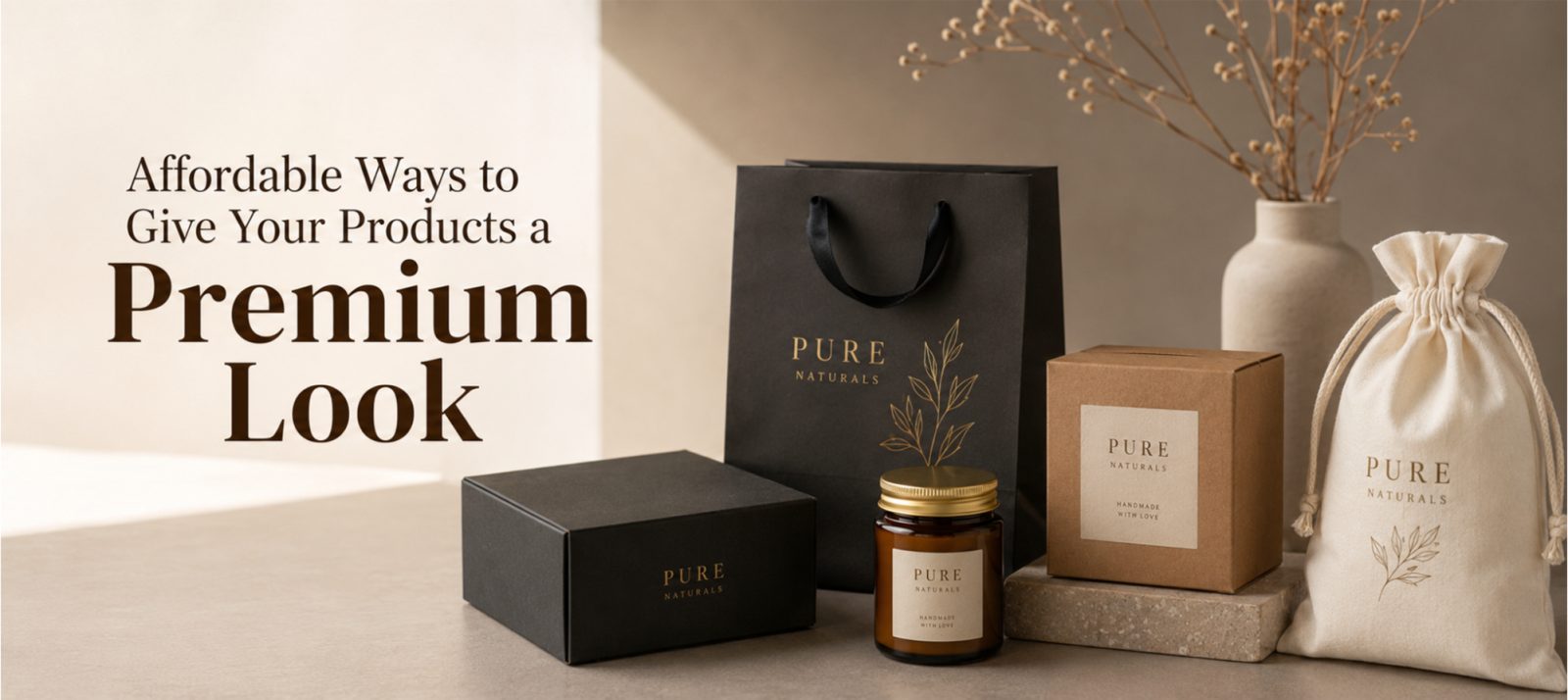
A premium appearance can significantly influence how customers perceive a product. People often associate polished presentation, consistent branding, and attractive packaging with higher quality. For small businesses, home-based sellers, bakeries, and handmade product brands, this creates an opportunity to compete with larger companies without making major investments.
Creating a premium look does not mean using the most expensive materials available. In many cases, thoughtful design, careful presentation, and consistent attention to detail can produce a more professional result than costly but poorly coordinated packaging.
By focusing on the elements customers notice most, small businesses can improve the perceived value of their products while keeping costs under control.
Start With a Clear Visual Identity
A premium brand usually looks organised and consistent. Before investing in new packaging or promotional materials, define the main visual elements of your business.
Choose a simple combination of:
- Two or three brand colours
- One primary font
- One supporting font
- A clean logo
- A consistent photography style
Using too many colours, fonts, or decorative elements can make a brand appear unstructured. A limited visual system is easier to manage and often looks more refined.
These elements should appear consistently across product labels, packaging, business cards, social media profiles, and online stores. Customers are more likely to trust and remember a business when every part of its presentation feels connected.
Use Simple Packaging With Strong Branding
Premium packaging does not need to include complicated designs or expensive finishes. A clean box with a well-positioned logo can look more professional than packaging filled with excessive text and graphics.
Bakeries and home-based food businesses can use Custom Bakery Boxes to create a consistent branded appearance without relying on numerous additional decorations. A logo, short tagline, website address, or social media handle can transform an ordinary container into a recognisable part of the customer experience.
To control costs, businesses can begin with one or two versatile box sizes that work for several products. Ordering a smaller range of sizes may be more economical than creating unique packaging for every item.
The packaging should also fit the product correctly. A box that is too large can make the contents look less valuable, while packaging that is too small may damage the product.
Improve Presentation With Branded Stickers
Custom-printed boxes may not always fit the budget of a new business. Branded stickers offer an affordable alternative.
A simple sticker can be used to:
- Seal tissue paper
- Close a product box
- Display a logo
- Add a thank-you message
- Highlight a handmade item
- Promote a website or social media page
Stickers can be applied to plain boxes, paper bags, jars, wrapping paper, and shipping materials. Using the same sticker design across different forms of packaging creates visual consistency without requiring several expensive printed products.
The sticker should be applied carefully. Crooked, damaged, or wrinkled labels can reduce the professional effect.
Choose a Minimalist Design
Minimalist packaging often creates a premium impression because it appears confident, clean, and intentional. Instead of filling every available space, allow the design to breathe.
A minimalist package may include only:
- The business logo
- The product name
- A short description
- Essential customer information
White space helps important details stand out and makes the packaging easier to read. It also reduces printing complexity, which may lower production costs.
Minimalism should not mean incomplete information. Food businesses must still provide any ingredient, allergen, storage, or labelling details required in their location.
Use Tissue Paper Strategically
Tissue paper is a low-cost way to make products feel more carefully presented. It can protect delicate items, create anticipation, and add colour to the unboxing experience.
Choose tissue paper that matches one of your brand colours. Plain tissue paper is often more affordable than custom-printed versions and can still look professional when combined with a branded sticker or ribbon.
Avoid using too much material. Excessive layers can make the package difficult to open and may feel wasteful. One or two neatly folded sheets are usually enough to improve presentation.
Focus on Neatness and Consistency
Customers notice small details. Even affordable materials can look premium when they are used carefully.
Before handing over or shipping an order, check that:
- Labels are straight
- Boxes are clean
- Products are arranged evenly
- Tissue paper is neatly folded
- Ribbons are tied consistently
- Packaging is free from fingerprints or stains
- The correct customer information is attached
Creating a simple packing checklist can help maintain quality across every order. This becomes especially useful when several people are responsible for preparing products.
Consistency signals professionalism and reassures customers that they can expect the same standard every time they buy.
Create Limited Seasonal Packaging
Seasonal packaging can make familiar products feel new and exclusive. However, businesses do not need to redesign their entire packaging system for every holiday.
A cost-effective approach is to keep the main box design consistent and add seasonal elements such as:
- Themed stickers
- Printed sleeves
- Coloured ribbons
- Small gift tags
- Seasonal tissue paper
- Limited-edition labels
During autumn promotions, bakeries may use Custom Halloween Bakery Boxes to give cookies, cupcakes, pastries, and party treats a festive appearance. A themed design can make products more attractive for events, gifts, school celebrations, and family gatherings.
Seasonal packaging can also create urgency because customers understand that the design and product collection are available for a limited time.
Add a Professional Thank-You Card
A small thank-you card can make an order feel more personal and complete. It shows appreciation while giving the customer useful information about the business.
The card may include:
- A short thank-you message
- Care or storage instructions
- Social media details
- A discount code
- A review request
- A referral offer
To save money, use one versatile card design for most orders. Personalise it by adding the customer’s name or a short handwritten note.
The message should be brief and genuine. Customers are more likely to value a sincere note than a long promotional message.
Upgrade Product Labels
Labels have a major effect on product presentation. They should be clear, clean, and easy to read.
A professional label usually includes the product name and business identity without overcrowding the design. For food items, it may also need ingredients, allergen details, weight, storage instructions, and date information.
Using standard label sizes can reduce printing costs. Businesses can create one main template and change only the product-specific information.
High-quality printing is important, but expensive finishes are not always necessary. Clear typography and good spacing often create a stronger impression than metallic effects or overly decorative designs.
Use Colour to Create a Premium Impression
Colour influences how customers interpret a brand. Certain combinations can make products appear elegant, modern, playful, natural, or luxurious.
Neutral colours such as white, cream, grey, and black often create a refined appearance. They can be paired with one stronger accent colour to make the design more distinctive.
However, premium branding does not have to be dark or formal. Soft pastels, earthy tones, or bold colours can also look professional when used consistently.
The most important factor is coordination. Packaging colours should complement the logo, labels, ribbons, and product itself.
Improve Your Product Photography
For online businesses, photographs are part of the product presentation. Customers cannot touch or inspect the item directly, so they rely heavily on images.
Professional-looking photography can be achieved without an expensive studio. Use:
- Natural daylight
- A clean background
- Consistent camera angles
- Simple props
- Clear close-up shots
- Minimal editing
Photograph the product both inside and outside its packaging. This helps customers understand the complete experience they will receive.
Avoid cluttered backgrounds and strong filters that change the product’s true appearance. Clear, accurate images build trust and make a business look more established.
Make the Product the Main Focus
Packaging should enhance the product rather than compete with it. This is particularly important for decorative baked goods, handmade crafts, and visually detailed items.
Use inserts, dividers, or supportive materials to keep products arranged neatly. A well-organised display can make a simple item appear more valuable.
For transparent or windowed packaging, position the product carefully so its best features are visible. The customer should immediately understand what makes the item appealing.
Good presentation also makes products more suitable for social media photographs and gifting.
Offer Gift-Ready Options
Customers often pay more for products that are ready to present as gifts. Small businesses can create affordable gift-ready options by combining existing products with better presentation.
A gift option may include:
- A coordinated box
- A ribbon
- A message card
- Tissue paper
- A small product selection
- Occasion-specific packaging
Rather than providing premium packaging for every order, businesses can offer it as an optional upgrade. This allows customers to choose the presentation level they prefer while helping the business protect its profit margin.
Gift-ready products are especially useful for birthdays, weddings, corporate events, holidays, and thank-you occasions.
Standardise Your Packing Process
A clear packing process saves time, reduces waste, and helps every order look consistent.
Create a designated packing area containing:
- Boxes organised by size
- Labels
- Stickers
- Tissue paper
- Ribbons
- Thank-you cards
- Cleaning materials
- Order checklists
Keeping supplies organised reduces mistakes and prevents unnecessary damage. It also makes it easier to track which materials are running low.
Standardisation allows a small business to create a premium experience efficiently, even during busy periods.
Buy Packaging Carefully
Bulk buying can reduce the cost per unit, but ordering too much packaging can create storage problems and tie up money in unused materials.
Before placing a large order, test the packaging with your actual products. Check its strength, dimensions, closure, appearance, and ease of transport.
Businesses should also compare the total cost rather than focusing only on the box price. Printing fees, delivery charges, storage requirements, and minimum order quantities can affect the real expense.
Start with packaging that works across several product lines, then introduce specialised designs as demand increases.
Avoid Unnecessary Extras
More packaging does not always create a better experience. Too many inserts, layers, cards, ribbons, and promotional materials can make an order feel cluttered.
Every element should have a clear purpose. It should either:
- Protect the product
- Communicate useful information
- Strengthen the brand
- Improve convenience
- Add meaningful visual appeal
Removing unnecessary materials can reduce costs while making the presentation look cleaner and more sophisticated.
Ask Customers What They Notice
Customer feedback can help businesses identify which presentation details provide the greatest value.
Ask customers whether:
- The packaging protected the product
- The order looked professional
- The information was clear
- The box was easy to carry or open
- The product felt suitable for gifting
- Any materials seemed unnecessary
Social media photographs and reviews can also reveal which elements customers find memorable. Businesses can then invest in the features that generate the strongest reactions.
Final Thoughts
Giving products a premium look is not about spending as much as possible. It is about making intentional choices that create consistency, quality, and visual confidence.
A clear brand identity, clean packaging, professional labels, attractive photography, and careful product arrangement can significantly improve customer perception. Affordable additions such as tissue paper, stickers, thank-you cards, and seasonal details can further elevate the experience.
When every element feels coordinated and purposeful, customers are more likely to view the product as valuable, trustworthy, and worth purchasing again. For small businesses, this thoughtful approach can create a premium image while keeping packaging and presentation costs manageable.