
The Hidden Technology That Keeps Global Shipping Running
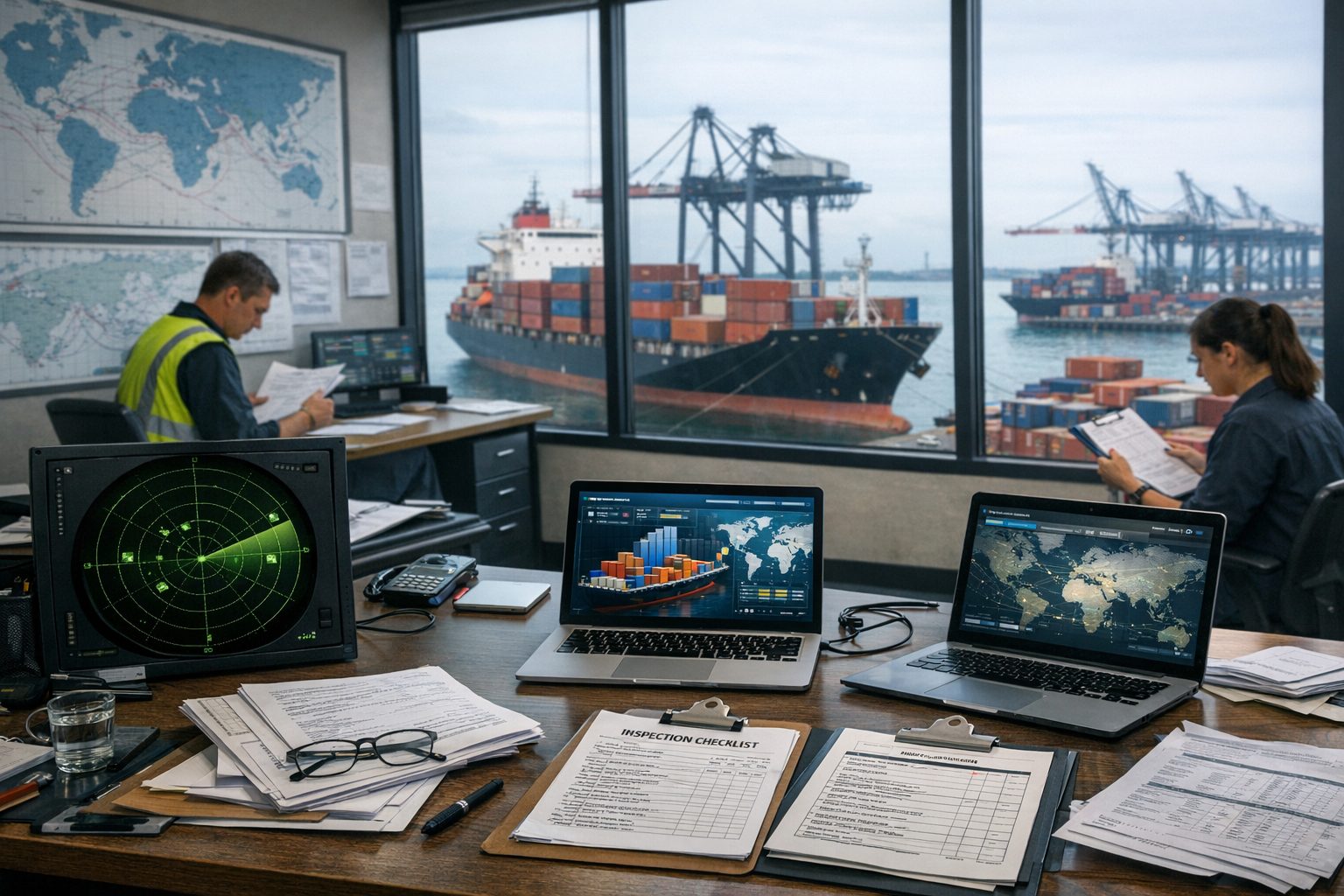
Most of the world’s trade travels by sea, yet few people see the digital systems behind each voyage. Cargo ships still move steel, grain, fuel, and containers, but software now helps move the paperwork, checks, and decisions. That hidden layer keeps ships safer, schedules tighter, and costs more under control.
Modern shipping is no longer just about engines, crews, and ports. Operators must track maintenance, crew records, route changes, fuel use, inspections, and rules that differ across borders. As a result, shipping has become a clear example of how digital tools are reshaping older industries.
Why Modern Ships Need Digital Brains
A single voyage creates a flood of tasks long before a ship reaches port. Teams on board and on shore must share the same data, often in real time. Without strong digital support, even routine work can turn slow, costly, and risky.
One Voyage, Hundreds of Moving Parts
Every trip depends on many decisions that happen at once. Crews manage machinery, safety routines, fuel use, cargo details, and contact with shore teams. At the same time, operators must keep records ready for port calls, inspections, and audits.
That is why many fleets use centralized digital tools instead of scattered spreadsheets and paper files. In practice, vessel management software can help combine maintenance logs, crew data, certificates, and safety tasks in one place. This matters because delays often start with missing information, not dramatic technical failures.
Documentation has become especially important at ports. Maritime Single Windows, the one stop portals ships use to file arrival and departure data, became mandatory on 1 January 2024. By March 2026, about 42 member states had reported implementation, and governments had approved an IMO Strategy on Maritime Digitalization, plus draft cyber rules, at the FAL 50 meeting in London.
When Inspections Start Sharing Data
Shipping rules do not end when a ship leaves the dock. Inspectors, flag states, ports, and operators now rely on connected databases that help them spot issues earlier and to align operations with international standards such as IMO guidance. This shift makes inspections more networked, not just more frequent.
On 5 March 2026, IMO signed an updated data exchange deal with the Paris MoU so full inspection data could flow into GISIS, its shared shipping database. That was the sixth refreshed agreement after 2025 deals with Abuja, Indian Ocean, Tokyo, Mediterranean, and Riyadh. The global Port State Control map now spans 10 regimes, and GISIS lets flag states comment on inspection reports before problems grow.
These connected systems help operators stay ahead of routine pressure in several ways. They keep certificates, service histories, and defect reports in one searchable place. That saves time when crews face inspections in busy ports. They also link ship and shore teams through the same live records, which reduces confusion when plans change during a voyage.
They also support fuel tracking, route planning, and maintenance timing. Better timing can cut waste and prevent avoidable downtime. The wider point is simple. Digital shipping systems do not replace seamanship, but they do make complex work easier to manage. That steady support often determines whether a voyage runs smoothly.
The Next Gains Will Be Quiet
Inspection data shows why this hidden technology matters so much. The Tokyo MoU annual report for 2025 recorded 35,546 inspections on 19,980 ships. Inspectors found 90,168 deficiencies and issued 1,255 detentions, which produced a 3.53 percent detention rate.
The same report also logged 12,607 follow up inspections, including 1,383 remote follow ups, or 10.97 percent. In addition, the committee introduced pre inspection electronic verification of certificates and records. An International Maritime Organization update on maritime digitalization and cyber measures shows that this push toward connected oversight is still growing.
The next stage will likely feel even less visible to the public, but more important to operators. Artificial intelligence can sort large streams of vessel data and highlight patterns people might miss. That can support faster decisions on safety and efficiency. Automation can reduce manual administrative work around reporting and compliance. Crews and shore teams then spend more time on action, not repeated data entry.
Predictive maintenance can use performance data to spot trouble before equipment fails. That approach can cut repair costs and reduce unexpected delays. Governments have already signaled that this shift will continue. The IMO digitalization work plan runs to 2029, with more surveys due by the end of 2026 and again in 2028. Shipping may look traditional from the shore, but its future depends on smarter data.
Why This Quiet Shift Matters
The technology behind global shipping rarely gets public attention because it does not look dramatic. It sits in reporting systems, maintenance platforms, inspection databases, and communication tools that work in the background. Yet those quiet systems help fleets stay legal, efficient, and prepared.
As digital tools improve, the industry will likely rely more on automation, data analysis, and predictive maintenance. That does not change the importance of skilled crews or sound engineering. It simply means the ships that keep trade moving will depend even more on invisible systems that make every voyage possible.