
Leather vs. Fabric Sofa: Pros, Cons, and Which Lasts Longer
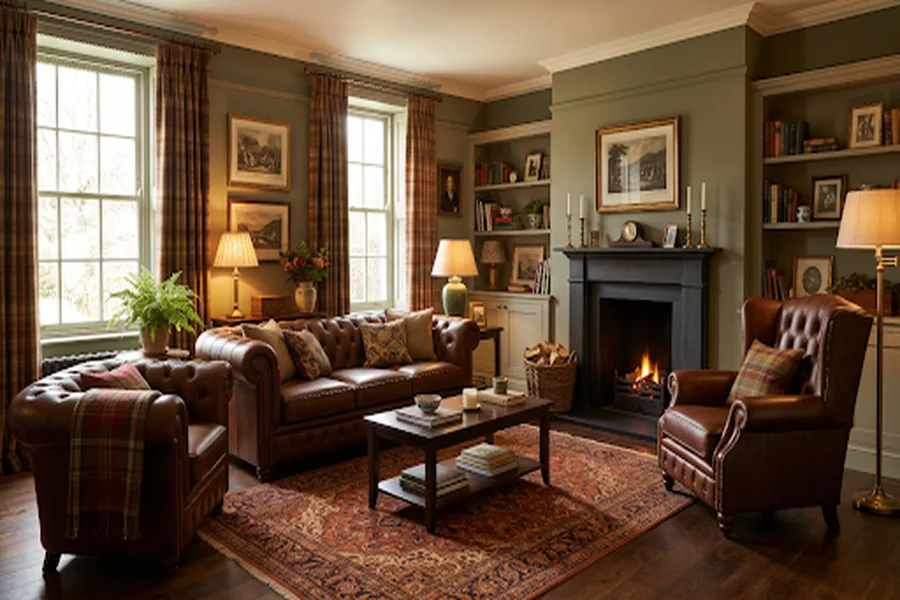
An honest comparison to help you choose the right sofa material for your home, budget and lifestyle.
Few furniture decisions spark as much debate as leather versus fabric. Both can look stunning, both can be comfortable, and both come in a huge range of styles and prices. But they behave very differently over the years, and the wrong choice can leave you with a sofa that cracks, pills, stains or simply stops feeling good long before it should.
If you are shopping for the best sofas for your home, this guide breaks down the pros and cons of leather sofas and fabric sofas, and answers the question most buyers really care about: which one lasts longer?
Leather Sofas: The Pros
Durability. Good leather is tough. High-quality leather sofas can easily last 15 to 25 years with basic care, far outlasting many upholstered alternatives.
Easy cleaning. Spills sit on the surface instead of soaking in, so a quick wipe with a damp cloth handles most messes. This makes leather a smart pick for families with young children.
Ages beautifully. Unlike fabric, which fades and wears, quality leather develops a rich patina that many people find more attractive over time.
Pet and allergy friendly. Leather does not trap dust, pollen or pet dander the way woven fabrics can, and pet hair brushes off easily.
Timeless style. From sleek modern lines to classic Chesterfield designs, leather sofa sets look polished and premium in almost any living room.
Leather Sofas: The Cons
Higher price. Genuine leather costs more upfront than most fabric options, and top-grain or full-grain leather sits at the premium end.
Temperature sensitivity. Leather can feel cold in winter and sticky in hot, humid weather, which matters in warm climates.
Scratches. Pet claws, keys and sharp objects can mark the surface, especially on softer aniline leather.
Needs conditioning. Without occasional conditioning and protection from direct sunlight and heaters, leather can dry out, fade or crack.
Faux leather peels. Cheaper bonded or faux leather often flakes within a few years, so check exactly what you are buying.
Fabric Sofas: The Pros

Wide variety. Fabric sofas come in endless colors, patterns and textures, from soft linen and cotton to plush velvet and performance weaves, making it easy to match any décor.
Comfortable in any season. Fabric stays warm in winter and breathable in summer, so it feels cozy year-round.
More budget-friendly. You can find quality fabric options at almost any price point, making them accessible for first-time buyers and rented homes.
Soft and inviting. Many people find fabric sofas feel cozier and more relaxed than leather, ideal for lounging and movie nights.
Easy to refresh. Removable covers can be washed or replaced, and loose cushions can be swapped to update the look.
Fabric Sofas: The Cons
Stains easily. Liquids soak in fast, and light shades can show marks quickly unless the fabric is treated or stain-resistant.
Traps dust and hair. Woven textures hold onto dust, allergens and pet hair, so they need regular vacuuming.
Wear over time. Cheaper fabrics can pill, fade or sag, particularly in high-traffic seating zones.
Harder to deep clean. Many fabrics need professional cleaning or careful spot-treating with the right products.
Which Lasts Longer: Leather or Fabric?
In most cases, leather wins on lifespan. A well-made leather sofa can last two decades or more, while a good fabric sofa typically lasts 7 to 15 years depending on the weave and how heavily it is used. However, quality matters more than material alone. A cheap, bonded leather sofa may deteriorate faster than a well-constructed fabric one, and a high-quality performance fabric can outlast poorly made leather.
Look beyond the upholstery too. A kiln-dried hardwood frame, high-density foam and solid joinery determine how long any sofa holds its shape. This is why handcrafted sofas and well-made designer sofas often outlast mass-produced pieces, whatever the covering.
Leather vs. Fabric at a Glance
| Feature | Leather | Fabric |
| Average lifespan | 15–25 years | 7–15 years |
| Cleaning | Wipe clean | Vacuum and spot-treat |
| Price | Higher | Wide range, often lower |
| Comfort in heat and cold | Can feel sticky or cold | Comfortable year-round |
| Pet and allergy friendly | Yes | Depends on the weave |
| Style variety | Moderate | Extensive |
| Ageing | Develops a patina | Can fade or pill |
Which One Is Right for You?
Choose leather if you want a long-term investment, have kids or pets, prefer easy cleaning, or love a classic, premium look. Leather sofa sets are especially popular for formal living rooms and larger spaces, where a matching three-seater, two-seater and armchair create a cohesive look.
Choose fabric if you want more color and texture options, live in a hot climate, prefer a softer feel, or are working with a tighter budget.
Consider a mix. Many homes pair a leather sofa with fabric armchairs or cushions, balancing durability with warmth.
Tips to Make Your Sofa Last Longer
- Rotate and fluff cushions regularly to spread wear evenly.
- Avoid direct sunlight and heat sources, which fade fabric and dry out leather.
- Clean spills immediately, using products suited to your material.
- Condition leather every 6 to 12 months to keep it supple.
- Vacuum fabric weekly and consider a protective spray.
- Invest in a solid frame, since it matters more than the cover.
Final Verdict
If longevity and easy maintenance are your priorities, leather sofas are hard to beat. If comfort, variety and flexibility matter most, fabric sofas are an excellent choice. Whichever you pick, the best sofas share the same fundamentals: a sturdy frame, quality cushioning and careful craftsmanship.
Take time to compare materials in person, ask about the construction, and explore designer sofas and handcrafted sofas if you want something built to last. Choose the sofa that fits both your lifestyle and your budget, and it will serve your home well for years to come.